India's Co-Sleeping Tradition for Soothing Baby Sleep
Ah, my dear child, are you a new parent finding yourself scrolling through your phone in the quiet of the night, searching for that elusive secret to peaceful baby sleep? I understand that weary heart, the longing for your little one to drift off into sweet dreams. It's a journey every parent embarks on, and tonight, let's look to the comforting embrace of our own heritage, exploring India's co-sleeping tradition through a gentle, Montessori lens.
Just recently, the world turned its gaze towards us, with articles like 'Why Parents Around the World Are Looking to India's Tradition of Sleeping Beside Kids' from The Better India, acknowledging what we've always known in our hearts: there's profound wisdom in the way our families nurture sleep. In a world where modern life in our metros can sometimes feel like a 'well-furnished prison' (as one founder described it in The Times of India), and parents are now 'co-piloting' their children's paths (The Indian Express), the ancient comfort of a shared sleep space offers a beautiful antidote, a return to warmth and connection.
चाँद की लोरी सुन, मेरी गुड़िया सो जा,
ममता की चादर में, तू अब खो जा.
धीरे-धीरे पलकें हों भारी, मीठी नींद बुलाए,
माँ का प्यार हर रात तुझे सहलाए.
Hear the moon's lullaby, my little doll, go to sleep,
In the blanket of mother's love, let yourself steep.
Slowly your eyelids grow heavy, sweet sleep beckons,
Mother's love caresses you, through all the night's seconds.
The Heart of India's Co-Sleeping Tradition: A Cradle of Security
For generations, the practice of sleeping beside kids in India has been more than just a logistical arrangement; it's a cultural cornerstone, a symbol of unwavering love and protection. In our homes, where shared spaces and joint families are common, a baby's crib often feels distant from the warmth of the family's heart. Instead, the baby becomes an integral part of the parents' or grandparents' sleeping space, nestled close, feeling every beat of their loved ones' hearts.
This close proximity offers incredible benefits for baby sleep India. Think about it, little one. Your baby, fresh from the secure confines of the womb, finds comfort in your scent, your touch, and the gentle rhythm of your breathing. This constant, reassuring presence helps regulate their own delicate physiology – their heart rate, breathing, and even body temperature. It fosters what experts call 'secure attachment,' a fundamental building block for infant brain development, leading to greater emotional resilience and cognitive growth in the long run. It's an unspoken language of love, building trust and security from day one.
Montessori Meets Our Traditions: A Harmonious Blend
Now, you might wonder, how does the structured philosophy of Montessori align with the spontaneous warmth of our India co-sleeping tradition? The beauty of Montessori isn't about rigid rules, but about respectful observation and creating a 'prepared environment' that supports the child's natural development and independence. In the context of Montessori co-sleeping, this means ensuring safety, promoting calm, and responding thoughtfully to your baby's unique needs.
While Montessori often speaks of floor beds for independence, when embracing co-sleeping, we can apply its principles by:
- Safety First: Ensure a firm sleeping surface, free from loose blankets, heavy pillows, or gaps where a baby could get trapped. Keep the space uncluttered and clear.
- Respectful Responsiveness: Observe your baby's cues for hunger, comfort, or discomfort, and respond promptly and gently. Co-sleeping naturally makes this easier.
- Calm Environment: Even in a shared room, create a serene atmosphere. Dim lighting, soft fabrics, and soothing sounds contribute to a peaceful sleep.
This approach transforms the co-sleeping space into a mindful 'Montessori sleep environment,' where security lays the foundation for eventual, gentle independence.
Practical Tips for Our Indian Families
Our homes are often bustling with life, love, and the presence of grandparents – and that's a blessing! Here are some practical tips to make co-sleeping a joyful, safe experience for your Indian family:
- Establish Indian Bedtime Routines: Before the final sleep, engage in calming Indian bedtime routines. A gentle massage with natural oils, a warm bath, and then perhaps some quiet stories or chanting. The predictability signals to your baby that sleep is coming.
- Embrace Soothing Lullabies: Our heritage is rich with soothing lullabies India has cherished for ages. The melodic patterns of a simple lori, often inspired by classical ragas, are incredibly calming for infant brains. Your voice, my dear, is your baby's favourite sound.
- Clear Communication with Family: In joint families, ensure everyone understands safe co-sleeping practices. Grandparents, with their wealth of experience, can be wonderful allies in creating a peaceful sleep routine.
- Dedicated Sleep Corner: Even on a family bed, try to designate a specific, safe zone for the baby – perhaps a firm, low mattress protector or a co-sleeper bassinet right next to your bed.
Montessori Educational Toys for Calm & Development
You might wonder, what do toys have to do with sleep? My child, a day of engaging, focused play leads to a night of restful sleep. At SkilloToys, we believe in supporting holistic development, and that includes preparing the body and mind for calm. Our Montessori educational toys for sleep aren't just for playtime; they help build the foundation for a peaceful routine.
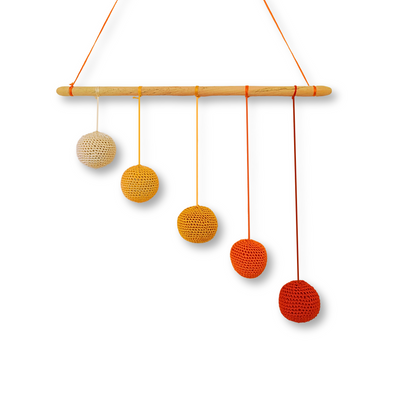
- Calming Mobiles: A beautifully crafted mobile, placed above the baby's activity area (not directly above their sleep space), offers gentle visual stimulation. As they watch the shapes sway, it encourages focus and calm, a wonderful transition before winding down. Explore our Montessori baby mobiles.
- Soft Rattles for Sensory Play: Gentle rattles made from natural materials offer satisfying sensory input without overstimulation. Used during awake times, they help refine fine motor skills and auditory perception, contributing to a sense of accomplishment and readiness for rest. Discover our collection of baby rattles.
- Wooden Play Gyms: Our wooden play gyms provide a safe, engaging space for tummy time and independent play. By allowing your baby to explore and move freely during the day, you help them expend energy constructively, making them more likely to settle down for sleep when night falls. This active engagement with quality baby toys 0-1 year is essential for their overall development and good sleep habits.
- India's co-sleeping tradition is a time-honored practice that promotes secure attachment and emotional well-being.
- Sleeping beside kids in India can help regulate infant breathing, heart rate, and body temperature.
- A Montessori perspective on co-sleeping emphasizes safety, responsiveness, and a prepared, respectful sleep environment.
- Traditional Indian bedtime routines, including soothing lullabies, are vital tools for calm and restful sleep.
- Thoughtfully chosen Montessori educational toys aid development during the day, contributing to better sleep at night.
FAQs About Co-Sleeping & Baby Sleep in India
Is co-sleeping safe for babies in India?
Co-sleeping, when done safely, can be a beautiful practice. Ensure a firm mattress, no gaps between the bed and wall, and avoid loose bedding, pillows, or any soft objects near the baby. Parents should also avoid co-sleeping if under the influence of alcohol or medication that impairs alertness.
How does Montessori apply to co-sleeping?
Montessori principles in co-sleeping focus on creating a respectful and responsive environment. While traditional Montessori advocates for a floor bed to foster independence, when co-sleeping, it translates to ensuring a safe, uncluttered space where the child's needs are observed and met gently, respecting their natural sleep rhythms and fostering their inner sense of security.
What are some common Indian bedtime routines that aid sleep?
Many Indian families cherish bedtime rituals like a gentle oil massage (tel malish), a warm bath, soft stories or chants, and especially soothing lullabies (loris). These consistent, loving routines create a predictable and comforting transition from wakefulness to sleep, preparing both baby's body and mind for rest.
How do lullabies contribute to infant brain development?
Lullabies, particularly those rich in melody and rhythm like Indian classical-influenced songs (ragas), stimulate auditory processing and language development in infants. The soothing repetition and emotional connection associated with a parent's voice help regulate the baby's nervous system, reducing stress and fostering a sense of security, which are crucial for healthy brain growth and emotional regulation.
My dear, may your nights be filled with the peaceful breathing of your little one, nestled safely by your side. At SkilloToys, we believe in nurturing every aspect of your child's journey, from playful days to serene nights. Our thoughtfully designed Montessori toys and learning materials are crafted to support this beautiful path, helping you create a home filled with wonder, learning, and tranquil sleep.