Maternal Hidden Hunger: Impact on Child Brain Development
Maternal hidden hunger, a pervasive issue of micronutrient deficiency during pregnancy in India, profoundly impacts child brain development by compromising critical neural formation and cognitive pathways, often before a mother even realises she is pregnant. Research shows that these early deficiencies can lead to irreversible consequences for a child's lifelong learning capacity and overall intellectual potential, underscoring a critical window of intervention.
The recent urgency highlighted by experts uniting to tackle hidden hunger in mothers, as reported by India Today NE, brings this silent threat to the forefront. For curious Indian parents, understanding the 'why' behind this phenomenon is crucial. This isn't just about general nutrition; it's about the very blueprint of your child's brain.
Maternal hidden hunger is the deficiency of essential vitamins and minerals like iron, iodine, and folate in expectant mothers, even if they consume sufficient calories. This matters because these micronutrients are non-negotiable building blocks for fetal brain development. Indian parents can address this through balanced nutrition, appropriate supplementation, and early awareness.
The Silent Threat: How Specific Micronutrient Deficiencies Impact Brain Architecture
Child development experts agree that the first 1,000 days—from conception to a child's second birthday—represent a critical window for brain development. During this period, foundational neural connections are rapidly forming. The absence of key micronutrients acts as a roadblock to this intricate process, fundamentally altering the brain's architecture and function.
For instance, folate is absolutely vital for neural tube development, which forms the brain and spinal cord. Iron deficiency, prevalent among Indian mothers, compromises the oxygen supply to the developing fetal brain and disrupts neurotransmitter synthesis, directly affecting cognitive function and memory. Studies indicate that over 50% of pregnant women in India suffer from anemia, a key indicator of hidden hunger that has significant implications for brain growth.
Iodine is indispensable for the production of thyroid hormones, which regulate brain maturation. Vitamin D and B12 also play crucial roles in neuron development and myelination, the insulation around nerve fibers that ensures efficient signal transmission. Without these critical components, the brain simply cannot build itself optimally, leading to lifelong developmental challenges.
Addressing Micronutrient Deficiency During Pregnancy in India: A Collective Challenge
The prevalence of micronutrient deficiency during pregnancy in India is a stark reality, influenced by a complex interplay of dietary habits, socio-economic factors, and access to healthcare. While traditional Indian meals are rich and diverse, shifts towards processed foods or reliance on staple grains without adequate dietary variety contribute to this 'hidden hunger mothers India' challenge.
In many Indian homes, particularly within joint families, dietary choices are influenced by tradition and seasonal availability. Ensuring that expectant mothers receive a balanced intake of all essential micronutrients requires conscious effort and education. The Unicef 'Aarambh: The Joyful Beginnings of Life' initiative beautifully underscores the importance of a healthy start, which begins in the womb.
Beyond nutrition, emerging environmental threats like air pollution are also being scrutinised. As NDTV recently reported, doctors warn that air pollution is an emerging threat to child brain development, potentially compounding the effects of nutritional deficiencies. This highlights the multifaceted approach required to protect a child's cognitive future in India.
Long-Term Repercussions: Impact of Maternal Malnutrition on Child IQ and Learning
The scientific consensus is unequivocal: the impact of maternal malnutrition on child IQ and cognitive function can be profound and lasting. Children born to mothers with severe micronutrient deficiencies are at a higher risk of lower IQ scores, attention deficits, and impaired problem-solving abilities. These foundational deficits can manifest as difficulties in school, impacting academic performance and future opportunities.
Research shows a clear link between prenatal nutrition brain development and a child's capacity for complex thought and learning. Just as Maria Montessori observed the child's 'absorbent mind,' ready to take in knowledge from their environment, this capacity relies on a robust and well-formed neural network, established during pregnancy.
Empowering Indian Parents: Nurturing Cognitive Development from Conception Onward
Empowering Indian parents with actionable strategies is paramount. The journey to optimal child brain development begins long before birth, but continues robustly throughout early childhood.
Prioritising Prenatal Nutrition and Supplementation
Focus on a balanced, nutrient-dense diet. Incorporate a variety of seasonal vegetables, pulses, whole grains, and fruits into daily meals. Consider traditional Indian superfoods like ragi, various dals, and locally sourced greens. Consulting a gynaecologist for appropriate supplementation, including folic acid, iron, and Vitamin D, is non-negotiable, especially for addressing micronutrient deficiency during pregnancy in India.
Cultivating a Rich Early Learning Environment
Scientific consensus confirms that a child's brain develops at an astonishing pace, reaching approximately 80% of its adult size by age three. After ensuring a healthy start through prenatal nutrition, providing a stimulating environment becomes crucial. The Times of India recently highlighted how music, art, and dance boost cognitive development in kids, proving that enrichment is key.
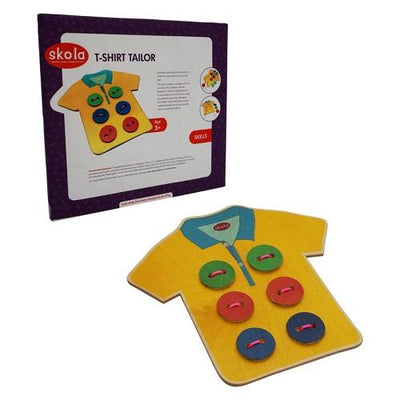
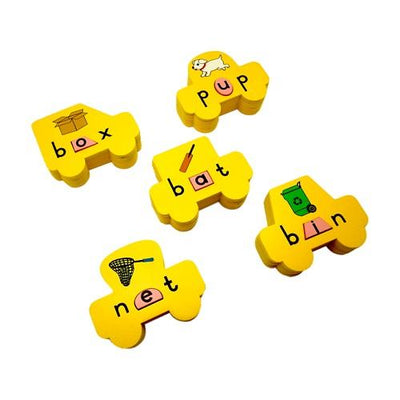
Maria Montessori's philosophy, focusing on self-directed activity and hands-on learning, provides an excellent framework for fostering cognitive growth. Providing children with high-quality Montessori method learning materials and toys, such as a Pink Tower for sensorial development or Sandpaper Letters for early language skills, encourages independent exploration and strengthens neural pathways. This early engagement builds on the healthy brain development nurtured in the womb.
- Maternal hidden hunger is a critical micronutrient deficiency affecting fetal brain development in India.
- Key nutrients like iron, folate, and iodine are vital for neural formation during pregnancy.
- Deficiencies can lead to irreversible impacts on a child's IQ and cognitive abilities, including attention deficits.
- Indian parents must prioritise balanced prenatal nutrition and expert-guided supplementation.
- A stimulating Montessori-inspired environment supports cognitive growth, especially from 0-6 years.
- Early intervention, both nutritional and educational, is paramount for a child's lifelong potential.
What is 'hidden hunger' in pregnant women?
Hidden hunger refers to the deficiency of essential micronutrients like vitamins and minerals, such as iron, folate, and iodine, even when a pregnant woman consumes enough calories. This deficiency often goes unnoticed but has profound health implications.
Which specific nutrients are most crucial for fetal brain development?
Research clearly indicates that folate is vital for neural tube development, iron for oxygen supply and cognitive function, iodine for thyroid hormone production, and Vitamin D and B12 for neuronal growth. Deficiencies in these are critical.
Can hidden hunger effects on a child's brain be reversed later?
Studies confirm that the most critical period for brain development is in utero and early infancy. While some interventions can support learning, severe brain development impairments due to prenatal hidden hunger are often irreversible.
How can Indian parents ensure adequate prenatal nutrition?
Indian parents should focus on a diverse diet rich in seasonal fruits, vegetables, lentils, and whole grains. Consulting a doctor for prescribed folic acid, iron, and Vitamin D supplements before and during pregnancy is essential for optimal health.
What role do educational toys play in cognitive development after birth?
Educational toys, particularly Montessori materials, provide hands-on experiences that stimulate cognitive development, fine motor skills, and problem-solving. They build upon the foundational brain structures laid during prenatal development, fostering a love for learning.