Hindi Alphabets: Montessori Guide for Kids (0-8)
Teaching Hindi alphabets (Varnamala) to children, especially those aged 0-8, is best achieved through a multi-sensory, structured approach rooted in Montessori principles. This method ensures children develop a deep understanding and appreciation for their mother tongue, building strong cognitive and language foundations from an early age. Research shows that early language acquisition significantly boosts overall intellectual development.
This comprehensive guide will equip Indian parents with step-by-step strategies and practical activities to introduce and reinforce Hindi Varnamala, making the learning journey engaging and effective. We will explore how to teach Hindi varnamala using tactile materials, sound games, and a prepared environment, moving beyond traditional rote learning.
What is Montessori Hindi Learning?
Montessori Hindi learning is a child-centred educational approach that introduces the Hindi alphabet and language through hands-on, multi-sensory materials. This matters because it allows children to learn at their own pace, fostering intrinsic motivation and deep comprehension. Indian parents can implement this by creating a language-rich home environment with appropriate learning resources.
Child development experts agree that a prepared environment and engaging materials are critical for early language success. Instead of abstract symbols, Montessori brings the language to life, connecting sounds, shapes, and meanings in a concrete way. This approach contrasts sharply with the potential negative impact of excessive digital exposure, which a Frontiers review highlights as detrimental to social development and communication.
Foundation First: Preparing for Hindi Alphabets (0-2.5 Years)
Establishing a strong language foundation is paramount long before formal alphabet instruction begins. For toddlers and infants, this means immersing them in a rich linguistic environment, which is a hallmark of the Montessori approach. This initial phase lays the groundwork for seamless introduction to Montessori learning materials later.
Indian homes, often with grandparents and joint families, offer a natural advantage for this. Engage your child in daily conversations in Hindi, sing traditional lullabies (lori), and read aloud from Hindi storybooks. This constant auditory exposure helps children absorb the phonetics and rhythm of the language, making them comfortable and familiar with its unique sounds.
Sensory Exploration and Sound Games (18-36 Months)
Between 18 to 36 months, children enter a sensitive period for language development. At this stage, focus on sensory exploration and sound games to introduce the essence of Hindi alphabets. Instead of directly teaching letters, play games that highlight initial sounds of words your child already knows.
For instance, ask, "What sound does ‘मम्मी’ (Mummy) start with?" (म). Point out objects and clearly articulate their Hindi names. Use wooden objects or soft toys and say their names distinctly. This auditory discrimination builds crucial pre-literacy skills, preparing their ears and minds for the Varnamala.
Step-by-Step: Introducing Hindi Varnamala to Toddlers (2.5-4 Years)
Once a child has a solid foundation in spoken Hindi and has shown interest in sounds, formal introduction to the Hindi Varnamala can begin around 2.5 to 3 years. This phase leverages the Montessori 'Three-Period Lesson' and tactile materials for a comprehensive learning experience.
Maria Montessori's method emphasizes learning through the senses, particularly touch. This hands-on approach directly addresses how to teach Hindi varnamala effectively, ensuring a deeper understanding than mere memorization. Play-based learning, as India Today emphasizes, deserves equal footing with nutrition in child development, highlighting its importance here.
1. Sandpaper Letters: Tactile Introduction to Hindi Alphabets
The Sandpaper Letters are the cornerstone of Montessori language instruction. These wooden or card cut-outs with sandpaper Hindi letters (both Swar and Vyanjan) provide a multi-sensory experience. The child traces the letter with their finger, feeling its shape, while simultaneously hearing its sound.
Present 2-3 contrasting letters at a time, such as ‘अ’, ‘म’, ‘ल’. In the first period, name the letter ("This is अ"). In the second, ask the child to identify ("Show me अ"). In the third, ask them to recall ("What is this?"). This sequential learning solidifies the visual-tactile-auditory connection, making the Hindi alphabets concrete and memorable.
2. Movable Alphabets: Building Hindi Words
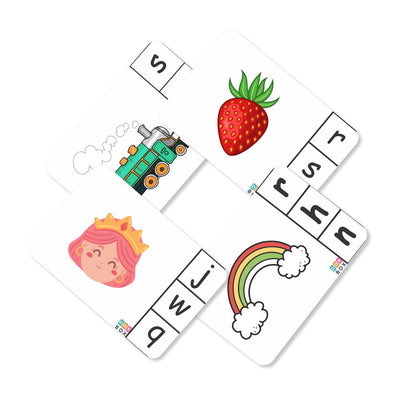
Once the child knows several Hindi alphabet sounds, introduce the Movable Alphabet. This set of individual Hindi letters allows children to construct words physically, even before they can write. This activity transforms abstract sounds into tangible creations.
Start with simple two or three-letter words, like ‘जल’ (water) or ‘घर’ (home). Say the word slowly, emphasizing each sound, and guide your child to pick the corresponding movable alphabet letters to form the word. This empowers them to explore phonetics and word formation independently, which is excellent for their cognitive development, particularly relevant for children with Down Syndrome, as highlighted by The Times of India.
Expanding Hindi Language Skills (4-8 Years)
As children grow and their foundational understanding of Hindi alphabets deepens, the focus shifts to reading, writing, and understanding grammar. This stage builds upon the previous tactile experiences, moving towards more abstract concepts.
This is where structured activities, like engaging with various puzzles, come into play. A well-designed Hindi alphabet puzzle can reinforce letter recognition and sequence, offering a fun, self-correcting way to practice. Such materials support the continuous development of Hindi alphabet activities for kids.
1. Picture-Word Matching and Reading Exercises
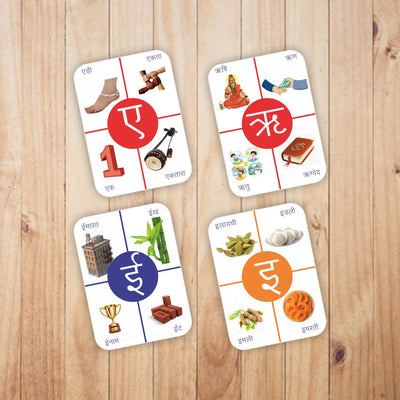
Introduce picture cards with corresponding Hindi word labels. The child matches the word to the picture, reinforcing vocabulary and early reading skills. Gradually move to short storybooks written in simple Hindi, allowing them to decode words they already know.
Encourage them to "read" these stories aloud, even if it’s just sounding out words. This builds confidence and fluency. Indian children often face academic pressure early, and a positive, encouraging approach here is vital for maintaining their love for reading.
2. Introducing Handwriting and Grammar
When the child shows interest, introduce proper handwriting techniques. Start with large, unlined paper and thick pencils, progressing to lined paper. Montessori often uses metal insets to refine fine motor skills necessary for writing.
Introduce basic Hindi grammar concepts through games and practical examples rather than formal lessons. For instance, "This is एक (one) किताब (book)," pointing to the object. Research indicates that children learn grammar most effectively through immersion and practical application rather than explicit rules at this age.
Creating a Language-Rich Montessori Home Environment
The success of teaching Hindi alphabets using the Montessori method hinges on the environment you create at home. It should be inviting, organized, and filled with opportunities for language exploration.
Dedicate a "language corner" with low shelves containing Hindi books, flashcards, sandpaper letters, and movable alphabets. Rotate materials to maintain interest. Most importantly, speak Hindi regularly and with enthusiasm, modeling correct pronunciation and vocabulary for your child. A rich home environment is invaluable for teaching Hindi to toddlers and older children alike.
- Montessori methods effectively teach Hindi alphabets (Varnamala) through multi-sensory engagement.
- Early exposure to spoken Hindi (0-2.5 years) is crucial for building a strong language foundation.
- Sandpaper letters provide a tactile-auditory connection for learning individual Hindi alphabet sounds.
- Movable alphabets empower children to independently construct Hindi words and explore phonetics.
- Integrating Hindi through daily conversation, stories, and play significantly enhances learning outcomes.
- A prepared, language-rich home environment supports continuous Hindi language development.
When is the best age to introduce Hindi alphabets to children?
The ideal time to introduce Hindi alphabets is often between 2.5 to 3 years, aligning with a child's sensitive period for language. However, exposure to sounds and language can begin much earlier, from infancy, through songs and stories in a rich home environment.
What are some effective Montessori Hindi alphabet activities for kids?
Effective Montessori Hindi alphabet activities include tracing sandpaper letters, forming words with movable alphabet sets, and engaging with sound games. These multi-sensory approaches help children connect the visual, auditory, and tactile aspects of each letter, making learning concrete and memorable.
How can I make learning Hindi varnamala fun and engaging for my child?
Making Hindi varnamala fun involves incorporating play-based learning, storytelling, and hands-on materials. Using interactive puzzles, singing traditional Hindi rhymes, and creating a language-rich environment at home can significantly boost engagement and enjoyment for your child.
Is it better to teach Hindi consonants or vowels first?
Montessori typically introduces phonetic sounds of letters first, often focusing on individual sounds rather than the traditional alphabet order. For Hindi, it is generally effective to introduce vowels (Swar) initially, as they form the base of many sounds, followed by consonants (Vyanjan) systematically.
How does Montessori help in teaching Hindi to toddlers?
Montessori aids in teaching Hindi to toddlers by providing concrete, self-correcting materials that engage their senses. It follows the child's natural developmental pace, fostering independence and a love for learning through hands-on exploration of sounds, shapes, and meanings, rather than rote memorization.