That joyous world of make-believe your child creates is a profound architect of their future social intelligence and creative problem-solving prowess
Picture your little one, perhaps with an old dupatta draped as a saree, stirring an imaginary pot of daal, chatting animatedly to invisible guests. Or maybe they're a valiant astronaut, using a cardboard box as their spaceship, embarking on a daring mission to the moon, complete with dramatic sound effects. These captivating scenes, often dismissed by adults as mere childish whimsy or a delightful way to pass time, are in fact intense, sophisticated training grounds for their developing brain. Far from being trivial, a child's deep dive into make-believe is a powerful neurological simulation, preparing them for the intricate complexities of life.
It's a common sight across Indian homes – children playing 'ghar-ghar', 'doctor-doctor', or even enacting dramatic scenes from mythological stories they've heard during a puja. What appears to be simple fun is, in reality, a crucible where advanced cognitive functions are forged. Research in developmental psychology consistently reveals that the act of pretend play isn't just entertainment; it's a critical developmental pathway, profoundly shaping a child's social intelligence, linguistic prowess, and their capacity for innovative problem-solving. This isn't merely about imagination; it's about constructing the very architecture of their future intellect and emotional resilience.
The Simulation Lab for Social Cognition
When a child takes on a role during pretend play – be it a caring mother, a busy shopkeeper, or even a formidable rakshasa from a fable – they are actively engaging in what scientists call 'Theory of Mind' development. This is the crucial ability to understand that others have different thoughts, feelings, and perspectives than their own. Imagine a child playing a parent scolding a 'naughty' toy: they're not only mimicking behaviour but also exploring the emotions and intentions behind it. This process is paramount for developing empathy, negotiating social situations, and forming healthy relationships.
In the vibrant tapestry of Indian family life, children are often exposed to a myriad of roles and social dynamics. Enacting scenes from a wedding ceremony, a family gathering, or even mimicking the intricate rituals of a festival provides them with a safe, experimental space to process and internalise these complex social scripts. They learn about cooperation, conflict resolution, and the nuances of human interaction through their imaginative scenarios, making pretend play an invaluable teacher of social graces and emotional intelligence.
Orchestrating Language and Narrative Mastery
Have you ever eavesdropped on your child's pretend play? The dialogues they conjure, the narratives they weave, are astonishing in their complexity. Children use pretend play to experiment with language in myriad ways: they invent new words, expand their vocabulary to fit their characters, and construct elaborate sentence structures to drive their stories forward. From a simple 'train chugs here' to a detailed account of a 'magical elephant flying over the Himalayas', their linguistic abilities flourish.
This engagement with narrative isn't just about speaking; it's about structuring thought. Creating a story with a beginning, middle, and end, even a short one, helps children develop logical sequencing, memory recall, and the ability to express complex ideas coherently. For Indian children, this can involve retelling tales from the Panchatantra, enacting scenes from their favourite mythological cartoon, or creating fantastical adventures inspired by local folklore, enriching their language with cultural nuances and storytelling traditions.
Inventing Solutions and Sharpening Executive Functions
Pretend play is a masterclass in problem-solving. What happens when the 'baby' (a doll) cries incessantly? How do they fix the 'broken' toy car? Where will the 'guests' sit for the imaginary dinner? Children spontaneously invent solutions, adapt to unforeseen circumstances, and negotiate with their playmates to advance their shared narrative. This requires a sophisticated array of cognitive skills, collectively known as executive functions.
These include planning (what happens next?), flexible thinking (what if we try this instead?), impulse control (waiting for their turn to speak or act), and working memory (remembering the details of the ongoing story). These are not just skills for play; they are the bedrock for academic success, navigating complex real-world challenges, and managing daily tasks. Witnessing a child transform a humble piece of fabric into a royal cape or a simple stick into a magic wand demonstrates their profound capacity for abstract thought and innovative repurposing – a true hallmark of creative problem-solving.
The Montessori Connection and Nurturing Emotional Resilience
Montessori education, with its deep respect for the child's innate drive for self-directed learning, implicitly understands the power of imaginative engagement. While often associated with practical life skills, the Montessori approach also values the child's freedom to explore and create, which forms the foundation for rich imaginative play. This kind of play allows children to explore complex emotions in a safe, controlled environment. They can act out fears, anxieties, or joyful experiences, processing them on their own terms. Playing 'doctor' after a visit to the clinic or reenacting a family separation helps them to understand and cope with feelings that might otherwise be overwhelming.
How Parents Can Foster This Magic
The best way to support your child's pretend play is surprisingly simple: provide them with time, space, and open-ended materials. Think beyond elaborate toy sets. Simple objects like scarves, cardboard boxes, old clothes, kitchen utensils, and building blocks are often far more stimulating for imagination than highly specific toys. Resist the urge to direct their play too much; allow them to lead the narrative, invent the rules, and explore their own creative impulses. Occasionally joining in, perhaps by asking an open-ended question like, 'What wonderful dish are you cooking today?' or 'How can I help you save the world?' can be a lovely way to connect without hijacking their imaginative world.
Ultimately, the boundless realm of pretend play is far more than just child's play. It's a magnificent, self-guided curriculum that propels children into advanced stages of social understanding, linguistic dexterity, and ingenious thinking. By honouring and encouraging these imaginative escapades, we equip our children with invaluable tools for a future where adaptability, empathy, and creativity are paramount.
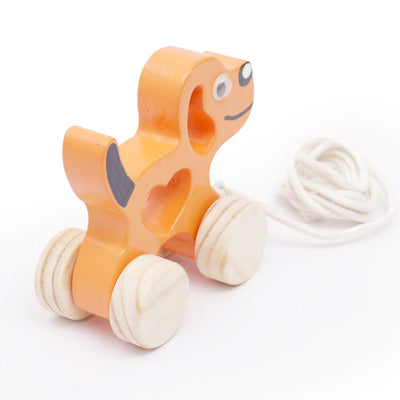
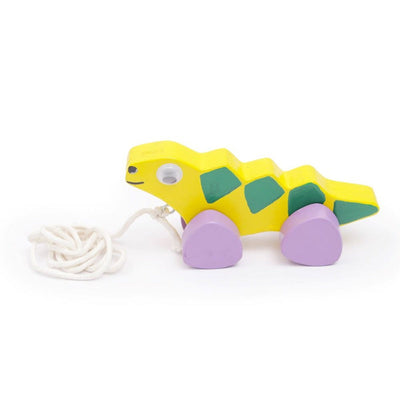
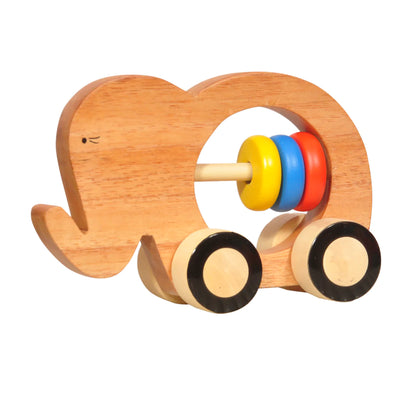
At SkilloToys, we believe in the power of purposeful play. Explore our carefully curated collection of safe, educational, and open-ended play-based learning toys designed to spark imagination and facilitate these profound developmental leaps, helping your child build their future, one joyous pretend adventure at a time.