The captivating dance between a child's keen observation and the intricate world of traditions
In the vibrant tapestry of Indian homes, amidst the aromas of spices and the gentle hum of daily life, countless quiet dramas of learning unfold. A little one watches, eyes wide with fascination, as nimble fingers transform a handful of coloured powder into an intricate rangoli design. Another observes with silent intensity as a grandparent deftly weaves a garland of fresh jasmine or shapes dough into perfect, round rotis. These aren't just charming vignettes; they are potent, unsung masterclasses in child development, subtly sculpting a child's developing brain in ways modern research is only just beginning to fully appreciate.
Children are born scientists, endlessly curious, and driven to understand the world around them. Their primary mode of learning in the early years is through observation and imitation. Neuroscientists point to the role of 'mirror neurons' – specialised brain cells that fire both when we perform an action and when we observe someone else performing the same action. This neural mirroring allows a child to internalise the observed action, essentially practising it in their mind long before their tiny hands can replicate the dexterity. This innate wiring, coupled with the rich, skill-based environment of an Indian home, creates a powerful learning laboratory.
Beyond Mere Imitation: A Symphony of Cognitive Growth
While the act of watching might seem passive, the brain is anything but. When a child observes an adult engaged in a traditional craft, a cascade of cognitive processes is ignited. Take, for instance, the creation of a rangoli or a kolam. The child isn't just seeing colours; they're subconsciously absorbing patterns, symmetry, spatial relationships, and even rudimentary geometry. This strengthens their visual discrimination skills and lays foundational pathways for logical reasoning and problem-solving, far before they encounter these concepts in a textbook.
The intricate movements involved in many Indian crafts offer unparalleled lessons in fine motor development and hand-eye coordination. Watching a parent embroider a blouse with delicate stitches, or witnessing the precise control needed to paint a terracotta diya, provides a rich visual model. These observations refine a child's understanding of grip, pressure, dexterity, and sequencing – all critical precursors to writing, drawing, and manipulating tools. Even the simple act of kneading dough demonstrates concepts of force, texture, transformation, and volume, fostering a tactile and practical understanding of the physical world.
Furthermore, observing an adult complete a multi-step craft demands sustained attention and focus, skills that are increasingly vital in our fast-paced world. The child learns patience, the satisfaction of a process, and the joy of a finished product. They witness problem-solving in real-time – perhaps a stitch gone awry or a rangoli line needing correction – understanding that mistakes are part of the learning journey and can be rectified with perseverance.
Weaving Culture into Core Development
What makes these observations particularly impactful in an Indian context is the deep cultural resonance. These aren't just abstract skills; they are expressions of heritage, tradition, and identity. When a child watches a grandparent prepare a puja thali with fresh flowers and sacred items, or sees the careful arrangement of a festive meal, they are absorbing not just practical skills but also cultural values, aesthetics, and a sense of belonging. This fosters emotional intelligence and a strong connection to their roots, enriching their developing self-concept.
This informal, observational learning aligns remarkably with renowned educational philosophies like Montessori. Dr. Montessori emphasised the importance of 'practical life' activities, where children learn by doing real, purposeful work. While often framed with specific tools, the spirit of Montessori's practical life is perfectly embodied when a child is given the opportunity to observe and later participate in meaningful household and cultural tasks. They are building concentration, coordination, independence, and a sense of order – all through authentic engagement with their environment.
Simple Moments, Profound Impact: Everyday Indian Craft Examples
Think about the simple yet profound learning opportunities embedded in daily life: a child watching the rhythmic grinding of spices on a sil-batta (if still practiced), observing the precise folding of clothes, or helping arrange flowers for a vase. These moments offer a sensory rich, kinesthetic experience that builds spatial awareness, object permanence, and sequential memory. The colours, textures, smells, and sounds associated with these activities create multi-modal learning pathways in the brain, leading to deeper retention and understanding.
Parents needn't set up elaborate craft stations. Instead, simply inviting a child into these daily observations, narrating the steps, or offering a child-safe version of a tool (like blunt scissors for cutting flower stems, or a small, safe bowl for mixing edible colours for a simple edible rangoli) can be transformative. The key is to create an environment where the child feels safe to observe, explore, and eventually, imitate at their own pace, celebrating their curiosity and their nascent attempts at mastery.
These cherished cultural practices, far from being mere traditions, are powerful engines of early childhood development. They quietly, beautifully, and effectively prepare a child's brain for complex learning, instilling skills that will serve them throughout their lives. By cherishing and making visible these intricate crafts, we aren't just preserving our heritage; we are actively nurturing the incredible potential within our children.
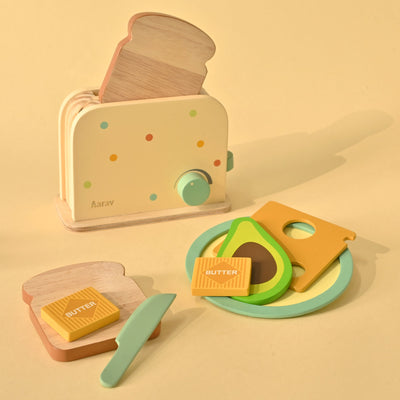
To further empower these natural learning instincts, exploring toys that encourage similar observational skills, fine motor development, and creative problem-solving is invaluable. SkilloToys offers a thoughtfully curated selection of safe, educational, and play-based learning toys designed to complement these natural developmental pathways, helping your child explore the world with curious hands and a growing mind. Discover toys that inspire purposeful play and skill building at SkilloToys.com.