The multilingual symphony in an Indian home profoundly sculpts a child's developing brain for remarkable cognitive agility
Picture a typical Indian home: a little one hears their grandmother speak in Marathi, their mother conversing in Hindi with a neighbour, and their father switching to English for a work call, all within the span of an hour. Later, they might hear a lullaby in Bengali or a story told in Tamil. This isn't chaos; it's a beautifully intricate linguistic dance, a common reality across our diverse subcontinent. What many parents might not fully realise is that this seemingly effortless immersion in multiple languages is not just about communication; it's a profound, silent sculptor of their child's developing brain, forging incredible neural pathways for advanced cognitive skills and remarkable mental agility.
For decades, there was a lingering misconception, even among some well-meaning educators, that exposing young children to multiple languages might confuse them or even delay their language development. However, cutting-edge research in neuroscience has decisively debunked this myth, revealing quite the opposite. When a child's brain is regularly exposed to two or more languages from an early age, it doesn't just learn more words; it literally reorganises itself in ways that enhance core executive functions – the very skills essential for success in school and life.
The Brain's Linguistic Gymnastics
Think of the brain as a complex muscle. Just like an athlete trains different muscle groups, a multilingual brain is constantly engaging in intense cognitive gymnastics. Every time a child hears and processes different languages, their brain is performing a sophisticated mental balancing act. They're not just passively absorbing; they're actively differentiating between linguistic systems, selecting the appropriate words and grammatical structures for the specific context, and inhibiting the other languages not in use. This constant 'switching' and 'inhibiting' isn't just a byproduct of language learning; it's a potent workout for the prefrontal cortex, the brain region responsible for executive functions like attention control, task-switching, and problem-solving.
Research using advanced neuroimaging techniques has shown that bilingual and multilingual children exhibit enhanced activity in brain regions associated with cognitive control. This means they are often better at focusing on relevant information while ignoring distractions. Imagine a child trying to complete a puzzle amidst household chatter; a multilingual child's brain, already adept at filtering linguistic noise, might find it easier to concentrate on the task at hand. This heightened attentional control is a significant advantage, impacting everything from classroom learning to complex decision-making later in life.
Beyond Language: A Cascade of Cognitive Benefits
The benefits extend far beyond simply being able to speak multiple languages. The rigorous mental training involved in navigating linguistic diversity spills over into other critical areas of cognitive development. One of the most striking advantages is enhanced cognitive flexibility. This refers to the brain's ability to adapt to new situations, shift perspectives, and think creatively to solve problems. When a child learns that a single concept can be expressed in multiple ways, with different sounds and structures, it fosters a more flexible and adaptable mindset. They become less rigid in their thinking and more open to exploring alternative solutions, a vital skill for innovation and adaptability in an ever-changing world.
Furthermore, studies have indicated that multilingual children often demonstrate superior problem-solving skills, even in non-linguistic tasks. Their brains are accustomed to dealing with ambiguity and making rapid, nuanced decisions about which linguistic system to activate. This inherent training translates into a general ability to approach challenges with a more systematic and strategic mindset. They may also show improved meta-linguistic awareness – a deeper understanding of language itself, its structure, and how it works, which can aid in learning even more languages or mastering their native tongues.
The Indian Advantage: Embracing Our Linguistic Heritage
For Indian families, this research carries immense significance. We are inherently blessed with a linguistic tapestry that few other nations can rival. Instead of viewing multiple languages as a potential hindrance, we can truly celebrate it as an extraordinary cognitive gift. Whether it's the natural exposure to different regional languages through family and community, or the intentional introduction of English alongside a mother tongue, every additional language a child absorbs is an investment in their future cognitive prowess.
Parents often wonder if they should 'push' a second or third language. The good news is that children are natural language sponges. The most effective way to foster multilingualism is through natural, consistent exposure within everyday contexts. Read stories in different languages, sing songs, engage in conversations, and let them interact with family members who speak various tongues. This organic immersion leverages the brain's innate capacity for language acquisition, making the process joyful and incredibly effective. It's not about formal lessons at a very young age, but about creating an environment where languages are simply part of life, like the delicious variety of dishes served at a festive meal.
Ultimately, nurturing a child in a multilingual environment is giving them an unparalleled cognitive edge. It's preparing them not just to communicate with more people, but to think more deeply, solve problems more creatively, and navigate the complexities of life with greater ease and adaptability. It's a testament to the incredible plasticity of the young brain and the enduring richness of our Indian linguistic heritage.
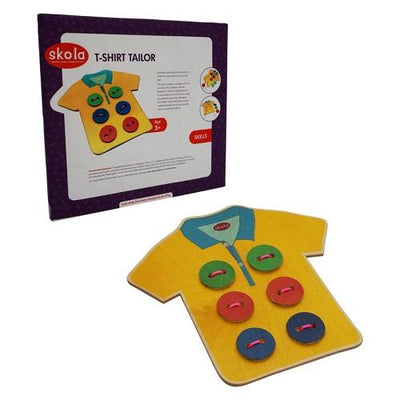
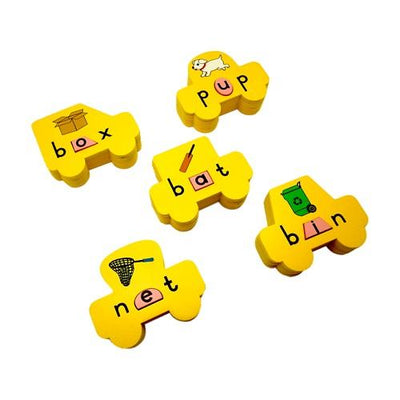
Understanding how languages profoundly shape a child's developing brain underscores the importance of intentional, engaging learning experiences. SkilloToys offers a curated selection of play-based learning toys that naturally encourage language development, critical thinking, and cognitive flexibility, seamlessly supporting the powerful benefits of a multilingual upbringing. Explore SkilloToys.com to find tools that celebrate and enhance your child's remarkable linguistic journey.