The quiet dance of shared attention, from pointing at a street vendor's colourful display to looking at a family photo together, is secretly shaping your child's linguistic genius and social connection
In the bustling rhythm of Indian life, where every street corner tells a story and every home resonates with activity, parents instinctively engage with their little ones in countless ways. We sing lullabies, tell tales of mythology, and encourage them to mimic the sounds of a *gaadi* or a chirping bird. Yet, amidst all these vibrant interactions, there's a silent, profound force at play, one that often goes unnoticed but forms the very bedrock of a child's future ability to communicate, connect, and comprehend the world: the shared gaze.
Imagine this common scene: you're walking through a vibrant market, your little one nestled securely in your arms or holding your hand. Suddenly, their eyes fixate on a particularly bright bunch of marigolds, a colourful *sari* draped in a shop, or a vendor artfully arranging fresh fruits. You notice their focus, perhaps even follow their gaze, and then you point, saying, “Look, *beta*, yellow flowers!” or “See the big, red apples?” In that fleeting instant, a powerful neurological highway is being constructed in your child's brain. This isn't just a casual interaction; it's a fundamental lesson in language acquisition and social cognition.
The Unspoken Power of Looking Together
This phenomenon, known as 'joint attention' or 'shared gaze', is precisely what it sounds like: both you and your child focusing on the same object or event, and crucially, being aware that you are both focused on it. It's the subtle, intricate dance between a parent's pointing finger and a child's following eyes, the shared laughter over a pigeon strutting past, or the quiet moment of wonder as you both watch a *diya* flicker during *puja*. Research consistently shows that the frequency and quality of these shared moments in infancy and toddlerhood are incredibly predictive of a child's later language development and social competence.
Think about it: before a child can utter a single word, they must first understand that words refer to things in the world. How do they figure this out? Largely through shared attention. When you point at a *pakora* and say “*Pakora*!”, your child isn't just hearing a sound; they're connecting that sound to the specific item you're both looking at. This consistent linking, facilitated by your shared focus, is how their mental dictionary begins to fill up. Without this shared understanding of what you're referencing, language would remain an abstract jumble of sounds.
Building a Lexicon: The Linguistic Impact
Studies have revealed a strong correlation between early joint attention skills and later vocabulary size, sentence complexity, and even reading readiness. Children who engage more frequently in episodes of shared attention with their caregivers tend to have larger vocabularies by age two and demonstrate more sophisticated grammatical structures as they grow. It's as if each shared gaze acts as a tiny anchor, mooring new words to concrete experiences and objects, making the world of language tangible and understandable.
Consider the myriad of sensory experiences in an Indian home. Pointing to the *haldi* as you cook, saying its name and perhaps letting them feel its texture; looking at a family photograph and naming each person; or simply sharing a moment watching the clothes dry on the line, naming “shirt” or “*dupatta*”. These aren't just moments of casual observation; they are powerful, organic language lessons unfolding in real-time. Your child's brain is rapidly absorbing and connecting sounds to meaning, laying down robust neural pathways for future communication.
Beyond Words: The Social Compass
The impact of shared attention extends far beyond language. It's a critical mechanism for developing social-emotional intelligence. When you and your child are focused on the same thing, they are learning about turn-taking in conversation, understanding emotional cues, and inferring intentions. If you point at a crying child and show concern, your little one learns about empathy. If you both delight in watching a street performer, they learn about shared joy and social reciprocity.
This process is foundational to developing what psychologists call 'theory of mind' – the ability to understand that others have thoughts, feelings, and intentions different from one's own. By engaging in shared attention, children begin to grasp that others can have a perspective that converges with or diverges from their own, a crucial step in navigating complex social interactions. It's the beginning of understanding another's point of view, an invaluable skill for school, friendships, and life.
Nurturing Connection: Simple Acts, Profound Results
The beauty of fostering shared attention is its simplicity. It doesn't require expensive gadgets or dedicated “teaching time.” It thrives in the everyday moments:
- Following their Gaze: When your child looks at something, follow their eyes and comment on it. “Oh, you see the bird!”
- Pointing and Naming: Actively point out interesting things in your environment — a colourful *rangoli*, a passing *auto-rickshaw*, a toy — and name them clearly.
- Engaging in Play: During play, focus together on an object. “Let's push the car!” as you both look at the toy car.
- Reading Together: Point to pictures in books as you read, asking “Where is the elephant?” and waiting for their gaze or finger.
These seemingly small, natural interactions are the invisible threads weaving the intricate tapestry of your child's developing mind. They build bridges between their inner world and the outer reality, making communication more meaningful and social bonds stronger. It's a reminder that often, the most powerful learning tools are not found in manuals, but in the authentic, spontaneous connections we share with our children.
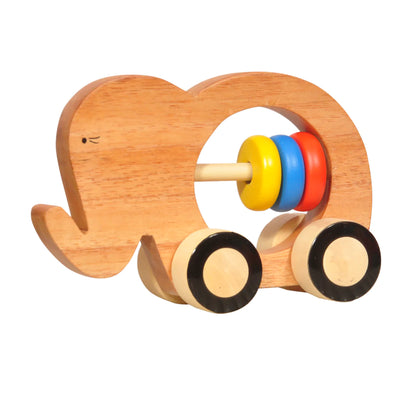
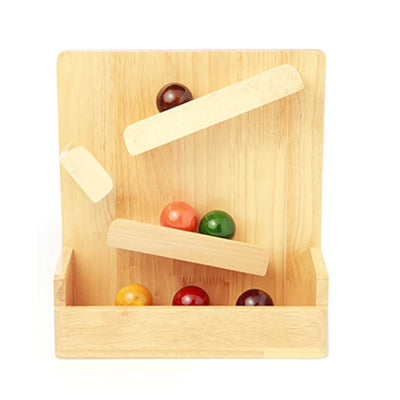
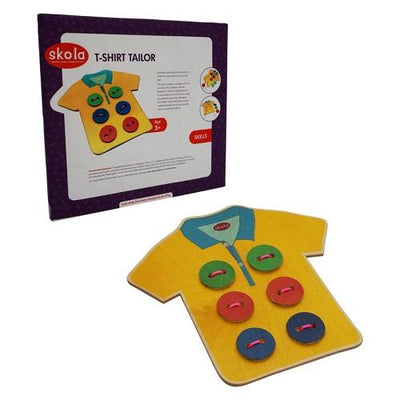
Understanding the vital role of shared attention can transform everyday interactions into powerful learning opportunities. Just as shared focus enhances understanding, safe and thoughtfully designed toys from SkilloToys can further enrich these moments of discovery. Explore SkilloToys.com for educational play-based learning toys that naturally invite joint engagement and foster curiosity in your child.