The simple act of meeting your child's gaze and responding meaningfully is a secret architect for their vibrant language skills and profound emotional depth
Imagine a tranquil evening in an Indian home. A mother hums a gentle lori, cradling her baby. Their eyes meet, a soft smile plays on her lips, and the baby coos in response, eyes wide with wonder. This seemingly ordinary interaction, a silent dance between two souls, is far from mundane. It's a profound neurological event, a hidden curriculum for your child's brain, meticulously wiring the very architecture for their future language prowess and emotional intelligence. Research tells us that these responsive gazes and shared moments are not just bonding experiences; they are critical developmental accelerators.
The Silent Symphony of Brain Development
From the moment of birth, a baby is hardwired to seek connection, particularly through the human face and eyes. When a parent meets their infant's gaze and offers a warm, responsive interaction – a smile, a gentle word, a raised eyebrow – a symphony of neural activity erupts. This reciprocal exchange, often termed 'serve and return', is a foundational building block for healthy brain development. It strengthens neural pathways in areas responsible for social cognition, emotional regulation, and communication, laying down the groundwork for future learning.
Scientists have observed that infants whose parents frequently engage in these responsive interactions show more robust development in their prefrontal cortex and limbic system. These brain regions are crucial for executive functions, self-regulation, and processing emotions. It's not just about looking; it's about the responsiveness. When a child initiates eye contact or a gesture, and the parent mirrors it or responds meaningfully, it validates the child's attempts at communication, fostering a sense of agency and understanding that they can impact their world.
Language Sprouts from Shared Attention
Before a single word is uttered, the groundwork for language acquisition is being meticulously laid through shared attention. This concept, known as 'joint attention', describes moments when a child and parent intentionally focus on the same object or event. Picture a father pointing to a colourful kite soaring high above during Makar Sankranti, saying “Patang!” and his child follows his gaze, connecting the sound to the object. This act of following another's gaze and sharing a focal point is a powerful precursor to vocabulary development.
Studies consistently demonstrate that infants with higher levels of joint attention engagement in their first year tend to have larger vocabularies and more advanced language skills by the age of two. These shared experiences teach children the crucial skill of connecting words with their meanings, understanding intentions, and grasping the social cues embedded in conversation. Without this shared focus, language can remain an abstract series of sounds, but with it, it transforms into a tool for understanding and interacting with the world.
Consider the myriad daily opportunities within an Indian household: a mother showing her child a ‘thali’ of food, naming each dish; a grandparent pointing to a ‘diya’ during Diwali, explaining its significance; or siblings excitedly looking at a new toy together. Each of these instances, when accompanied by responsive interaction and shared attention, profoundly enriches a child's linguistic environment, embedding words and concepts into their developing minds far more effectively than passive listening alone.
Weaving the Tapestry of Emotional Intelligence
Beyond language, responsive gaze and shared attention are critical threads in weaving the rich tapestry of a child's emotional intelligence. When a parent consistently responds to a child's emotional signals – a look of distress, a joyous laugh, a curious frown – it teaches the child about emotional regulation and empathy. They learn that their feelings are valid and that they are not alone in experiencing them. This predictable responsiveness builds a secure attachment, a psychological ‘safe harbour’ that allows children to explore their world with confidence, knowing they have a secure base to return to.
A child who frequently experiences these attuned interactions learns to interpret facial expressions, body language, and tone of voice – crucial components of social-emotional literacy. Think of a toddler who trips and looks to their parent for reassurance. When the parent stoops down, makes eye contact, and offers comfort – “Are you okay, beta? Let’s give it a little rub” – the child not only feels soothed but also learns how to process and express their emotions in a healthy way. This isn't just comforting; it's deeply educational.
The Montessori philosophy, with its emphasis on respectful interaction and following the child’s lead, implicitly understands the power of this attuned presence. A Montessori educator often observes a child intently, waiting for an invitation to engage, or gently guiding their focus through shared attention, rather than interrupting. This respectful approach validates the child's autonomy and enhances their internal motivation for learning, creating a deeper, more meaningful connection that fosters both cognitive and emotional growth.
Beyond Infancy: Sustaining the Connection
While most pronounced in infancy, the power of responsive gaze and shared attention continues to shape a child's development through their toddler and preschool years and beyond. It evolves into active listening, truly hearing what your child is saying (or trying to say), and engaging with their interests. When your child excitedly recounts their day at school, or points out a specific detail in a ‘Ramayana’ storybook, your sustained attention and thoughtful responses reinforce their sense of self-worth and encourage further communication.
These interactions foster not just communication skills, but also critical thinking and problem-solving abilities. When a parent genuinely engages with a child's questions – “Why is the sky blue, Papa?” – by sharing the child’s curiosity and responding thoughtfully, it nurtures their inquisitive spirit. It shows them that their thoughts and observations matter, encouraging a lifelong love for learning and exploration. It's about being present in their small, important moments.
So, the next time your child looks at you, remember the profound developmental magic unfolding. That simple, shared gaze, that responsive nod or comforting word, is more than just a fleeting moment; it's a powerful lesson in communication, empathy, and connection, silently shaping the incredible human your child is destined to become.
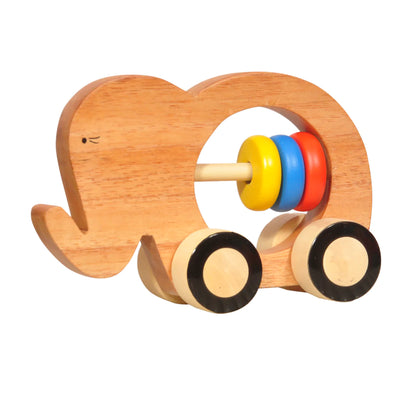
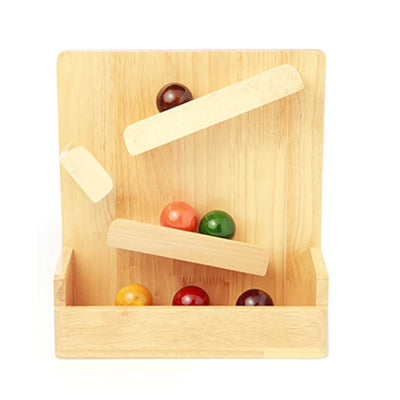
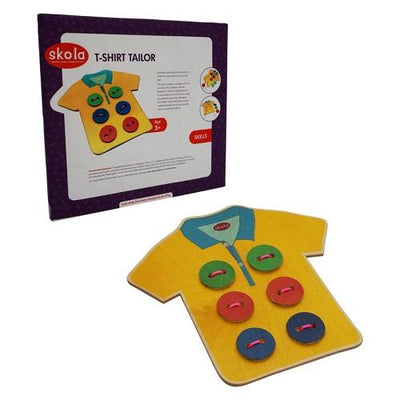
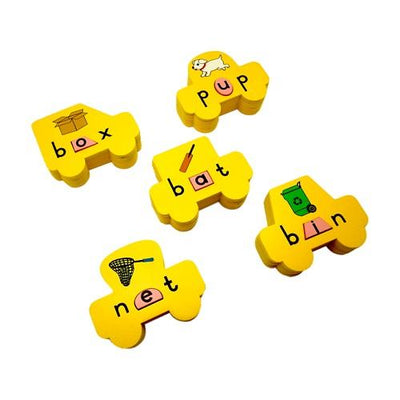
Understanding the deep impact of responsive interaction highlights the importance of providing tools that encourage meaningful engagement. SkilloToys offers a thoughtfully curated selection of safe, educational, and play-based learning toys designed to spark curiosity and facilitate these invaluable shared moments, inviting parents to explore SkilloToys.com and nurture their child's vibrant development through purposeful play.