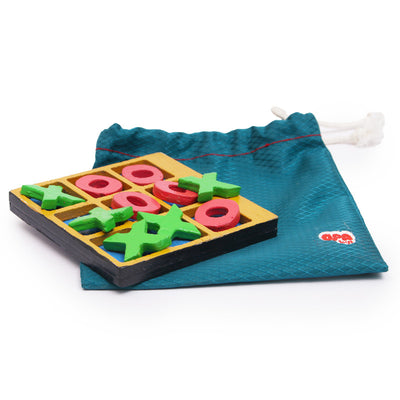
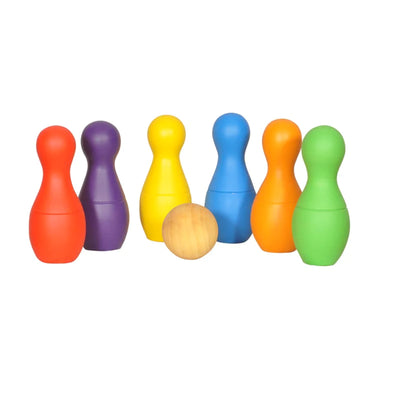
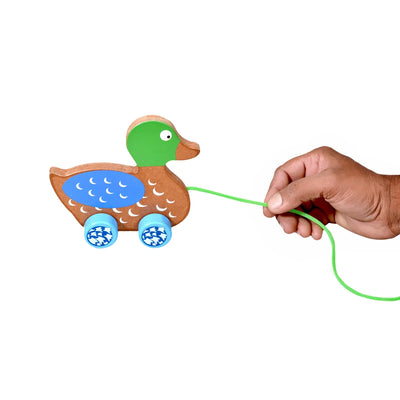
The subtle sway and knowing touch that builds your child's hidden senses are silently wiring their learning brain for remarkable achievements
In the vibrant tapestry of an Indian home, we often celebrate the obvious milestones: the first word, the confident stride, the intricate rangoli a child attempts. Yet, beneath the surface of these visible achievements, a profound neural symphony is at play, orchestrating two of your child's most crucial, yet often overlooked, senses. These aren't the familiar five senses we learn about in school; they are the architects of your child's inner GPS and the silent forces that dictate their ability to focus, learn, and navigate their world with confidence.
Think about your little one, perhaps expertly navigating the uneven paving stones of a gully, or twirling joyfully to a Bollywood beat, or even simply balancing a small toy on their head while mimicking a vendor. These seemingly simple actions are not just play; they are intricate brain-building exercises, honing what neuroscientists call the proprioceptive and vestibular systems. These 'hidden senses' are far more critical to your child's cognitive development and school readiness than many realise, silently laying the groundwork for everything from reading and writing to complex problem-solving.
The Inner Compass: Proprioception and Vestibular Sense Explained
Let's demystify these powerful senses. Proprioception is essentially your child's body awareness – the unconscious sense of where their body parts are in space, even without looking. It's how they know where their hands are when reaching for a gulab jamun, or how much force to use when picking up a delicate diya. This sense relies on receptors in their muscles and joints, constantly feeding information to the brain. Without strong proprioception, tasks like holding a pencil with the right pressure, walking without bumping into things, or even sitting still in a chair become incredibly challenging.
Then there's the vestibular system, located in the inner ear. This is your child's internal balance and movement detector. It tells them if they are moving, how fast, and in what direction. It's activated when they swing on a jhoola, spin in circles, or even just tilt their head. A well-developed vestibular system is crucial for maintaining balance, spatial orientation, and coordinating eye movements – all foundational for reading, tracking objects, and maintaining focus in a classroom.
From Playful Wiggles to Academic Prowess: The Unseen Connections
The synergy between these two senses is remarkable. Imagine a child attempting to climb a small ladder to reach a coveted toy. Their proprioceptive system informs them about their limb positions, while their vestibular system helps them maintain balance against gravity. This constant, dynamic feedback loop strengthens neural pathways, enhancing their spatial reasoning, motor planning, and even their ability to understand abstract concepts like 'up' and 'down' or 'near' and 'far' – concepts critical for mathematics and logical thinking.
Research consistently highlights that children with well-integrated proprioceptive and vestibular systems exhibit better concentration, improved fine and gross motor skills, and enhanced executive functions – the very skills that underpin academic success. When a child struggles with these foundational senses, it can manifest as fidgeting, difficulty sitting still, poor handwriting, clumsiness, or even challenges with reading comprehension, as their brain is too busy trying to stabilise their body to fully process information.
Cultivating These Crucial Senses in an Indian Context
Fortunately, our rich Indian cultural practices are inherently brimming with opportunities to nurture these senses. Consider the simple act of a child sitting cross-legged on the floor for meals or stories; this posture naturally engages core muscles and provides proprioceptive input. The rhythmic swaying during bhajans or folk dances like Garba isn't just cultural expression; it's a powerful vestibular workout, training the brain to process movement and maintain balance.
Traditional games like 'langdi' (hopscotch), 'kabaddi', or even 'gilli danda' demand incredible balance, coordination, and body awareness. Allowing children to help with household chores, such as carrying small amounts of water in a steel container, grinding spices with a pestle and mortar, or kneading dough, provides natural resistance and deep proprioceptive feedback. Even navigating the bustling streets or a crowded wedding, with all its sensory input and need for spatial awareness, is a complex training ground for these hidden senses.
Everyday Actions, Extraordinary Impact
Encourage climbing on safe, age-appropriate structures, spinning (within safe limits), swinging, rolling on the floor, and engaging in activities that involve pushing, pulling, and carrying. Simple tasks like pouring water, stirring ingredients, or stacking colourful bangles all contribute. The key is to provide diverse sensory-motor experiences. Let them run barefoot on grass, climb a sturdy tree branch (under supervision), or simply dance with abandon.
Remember, these aren't just activities for 'active' children. Every child benefits from robust sensory integration. By understanding and actively supporting the development of these hidden senses, we are not just helping them become physically adept; we are profoundly investing in their cognitive development, emotional regulation, and their capacity to learn and thrive in a complex world. The quiet hum of their inner compass, perfectly tuned, will guide them towards their fullest potential, allowing their brains to focus on higher-order thinking rather than constantly negotiating their physical presence.
Empowering your child's hidden senses is a gift that keeps on giving, fostering not just physical agility but also mental clarity and focus. Explore SkilloToys.com for a curated selection of safe, engaging, and educational toys designed to naturally stimulate these vital proprioceptive and vestibular systems, making every play moment a powerful learning experience.