When your child is simply allowed to explore and invent their own play, they are secretly building robust executive functions and profound emotional intelligence
In our bustling lives, as parents, we often feel the immense pressure to meticulously curate every aspect of our child's development. From structured lessons in phonics to carefully planned art classes, the impulse is to fill every waking moment with 'productive' activities. Yet, amidst this well-intentioned orchestration, a profound truth from early learning science often gets overlooked: the most powerful architects of a child's developing brain and resilient spirit aren't always found in scheduled classes, but rather in the simple, undirected space where a child is free to just… *be*.
Imagine your little one, completely absorbed, perhaps turning a kitchen dabba into a drum, or using a dupatta as a superhero cape, completely lost in their own world. These aren't just moments of frivolous fun; they are intensely active periods of brain construction. Research unequivocally points to the immense cognitive and emotional benefits derived from ample, uninterrupted unstructured play—time where children decide what to do, how to do it, and with whom.
The Brain's Quiet Masterpiece: Building Executive Functions
At the heart of future success lies a set of cognitive skills known as executive functions. These are the brain's 'CEO' skills: working memory (holding information in mind), cognitive flexibility (adapting to new situations), and inhibitory control (managing impulses and staying focused). Without a strict agenda or adult intervention, unstructured play becomes a dynamic training ground for these critical abilities.
Think about a group of children creating an impromptu game of 'chor-police' in the neighbourhood park, or setting up a miniature market stall with pebbles and leaves. They are not merely playing; they are actively engaging their working memory to remember their self-imposed rules, using cognitive flexibility to adapt when a 'customer' doesn't play along, and exercising inhibitory control by waiting their turn or resisting the urge to snatch a 'commodity'. Each spontaneous decision, each tiny negotiation, wires and strengthens these neural pathways. This is far more effective than rote learning, as it's intrinsically motivated and problem-based.
Nurturing Emotional Resilience and Social Grace
Beyond the cognitive realm, unstructured play is a crucible for emotional intelligence and social competence. When children are left to their own devices, they inevitably encounter challenges: a disagreement over who gets to be the 'shopkeeper', the frustration of a block tower collapsing, or the boredom that might set in before creativity takes over. It's in these moments, free from immediate adult rescue, that children learn to navigate their emotions, negotiate with peers, and develop resilience.
Consider a child who wanted to build a fort but couldn't get the old blankets to stay up. After a few attempts, perhaps they discover a different way, or decide to build a cave instead. This process—managing frustration, adapting their plan, and finding a solution—is a direct lesson in emotional regulation and perseverance. For Indian children, this might manifest in resolving disputes over sharing the last ladoo during a pretend feast, or collaborating to create an elaborate rangoli with found materials, learning empathy and compromise along the way.
Sparking Unbound Creativity and Ingenious Problem-Solving
One of the most visible benefits of undirected play is the explosion of creativity. When there are no pre-set instructions, children are compelled to invent, imagine, and innovate. A simple stick isn't just a stick; it can be a magic wand, a sword, a horse, or a paintbrush. An old saree becomes a royal gown, a tent, or a river. This 'divergent thinking'—the ability to generate multiple solutions or ideas for a single problem—is a cornerstone of future innovation and adaptability.
Neuroscience confirms that unstructured play stimulates various parts of the brain, including the prefrontal cortex responsible for planning and creative thought. Children are constantly hypothesizing, testing, and refining their ideas. They learn to make do with what's available, a valuable life skill particularly relevant in Indian households where 'jugaad' (innovative improvisation) is often a way of life. They turn mundane objects into extraordinary tools for their imaginative worlds, showcasing remarkable resourcefulness.
Cultivating Independent Spirits: A Montessori Echo
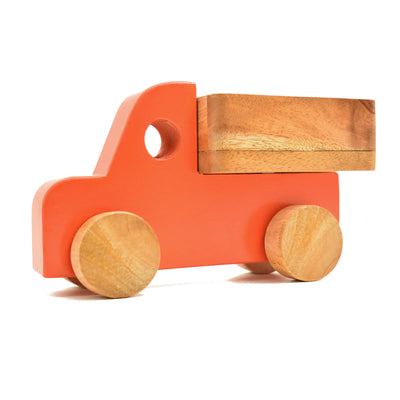
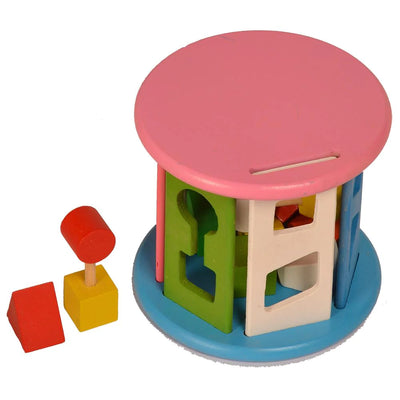
This emphasis on self-directed activity strongly resonates with Montessori principles, which champion the child's innate drive for exploration and learning through a 'prepared environment'. While we may not all have Montessori classrooms at home, we can certainly create a 'prepared environment' for unstructured play. This means offering a variety of open-ended materials—blocks, fabric scraps, natural items like pebbles or pinecones, empty boxes—and, crucially, giving children the freedom and the physical space to use them as they see fit.
It means resisting the urge to jump in with suggestions or 'correct' their play. Allowing a child to 'be bored' for a little while can be a powerful catalyst for their imagination to kick in. It's about trusting their intrinsic motivation and understanding that their 'work' is play. The mess, the noise, the seemingly nonsensical scenarios are all part of a rich developmental process. For many Indian families, the tradition of children playing freely in courtyards or during visits to the village, crafting games from natural elements, inherently embodies this profound wisdom.
Embracing the Power of 'Less is More'
So, the next time you find yourself wondering how to best support your child's growth, remember the quiet power of simply stepping back. Offer them space, time, and a few open-ended materials. The research is clear: those moments of self-orchestrated adventure, where a child is free to explore, invent, and simply be, are meticulously wiring their brain for incredible problem-solving capabilities, profound emotional depth, and a lifetime of confident, creative engagement with the world.
To support your child's journey of self-directed exploration and imaginative discovery, explore SkilloToys.com. Our carefully curated range of safe, educational, and open-ended play-based learning toys are designed to spark their inherent creativity and empower them to build their own unique worlds, fostering robust executive functions and emotional intelligence through joyful play.