When your little one explores the world with bare feet, feeling the rough bark or smooth sand, they are unknowingly building a robust foundation for their sensory processing and cognitive development
Imagine your child, toes splayed wide, gingerly stepping onto the cool, smooth marble floor of a temple, then perhaps squishing through damp, dark garden soil after a monsoon shower, or feeling the coarse, sun-baked sand of a village courtyard. These everyday sensory adventures, so common in an Indian childhood, often go unnoticed beyond the immediate delight or occasional mess. Yet, this seemingly simple act of connecting with diverse textures through bare feet isn't merely playful; it's a critical, research-backed catalyst for your child's burgeoning brain development, quietly laying foundational neural pathways for a lifetime of learning and well-being.
The Unseen Symphony Beneath Their Soles
Our feet are incredibly intricate sensory powerhouses, far more than just mechanisms for locomotion. They are packed with thousands of mechanoreceptors – specialized nerve endings that detect pressure, vibration, texture, and movement. When a child walks barefoot across varied surfaces – be it the rough texture of a jute `dari`, the cool smoothness of `pukka` floor, the uneven pebbles by the `nullah`, or the soft blades of grass in a `maidan` – these receptors are stimulated in complex, dynamic ways. This constant influx of information streams directly to the brain, providing rich, nuanced data about the environment. This process is crucial for sensory integration, which is the brain's ability to take in, interpret, and make sense of all the sensory information it receives, enabling it to respond appropriately and efficiently.
Think of it as a finely tuned orchestra where each footfall sends a unique note to the brain. The brain then learns to process these diverse notes, integrating them into a harmonious understanding of the body's position in space and its interaction with the world. This foundational sensory processing is a cornerstone of early learning, influencing everything from attention span to problem-solving abilities. Children who engage in rich, varied sensory experiences with their feet tend to develop a more robust and efficient sensory processing system, which, in turn, supports higher cognitive functions.
Building Blocks of Balance and Dexterity
Beyond just sensory input, barefoot exploration is a potent developer of gross motor skills. When your child navigates uneven terrain – perhaps clambering over tree roots in a `baug` or stepping on and off `patthars` (stones) – their foot muscles are constantly adjusting and strengthening. This natural, uninhibited movement allows the intrinsic muscles of the feet and ankles to develop properly, promoting better arch formation, enhanced flexibility, and greater strength. It's a far cry from the constricted environment of even the most comfortable shoe, which can sometimes hinder natural foot development.
This muscular development directly impacts a child's proprioception – their unconscious sense of body position and movement. A child with well-developed proprioception has a better internal map of their body, leading to improved balance, coordination, and agility. Whether they're learning to ride a cycle, master a `kabaddi` move, or simply walk without stumbling, strong foundational proprioception gained through barefoot play is invaluable. It helps them move with confidence and grace, laying the physical groundwork for more complex motor tasks later on, making them more adept in sports and everyday activities alike.
A Cognitive Leap from Every Step
The intricate connection between sensory input, motor development, and cognitive functions is a fascinating area of early learning science. When a child's sensory system is well-integrated and their motor skills are robust, their brain is freed up to dedicate more resources to higher-order cognitive tasks. Imagine a child whose brain doesn't have to work overtime to interpret simple sensory input or maintain balance; that cognitive energy can then be channeled towards focus, problem-solving, memory, and even language development. Research suggests a strong link between physical activity and academic readiness, with rich sensory-motor experiences like barefoot play contributing to better attention regulation and executive functions – crucial skills for school success.
Furthermore, exploring diverse environments barefoot encourages natural curiosity and problem-solving. A child must assess the ground, decide where to place their foot, adjust their gait, and adapt to different textures and temperatures. These micro-decisions, made instinctively and repeatedly, foster cognitive flexibility and adaptive thinking. They are learning physics in real-time – understanding friction, weight distribution, and the properties of different materials – all without opening a textbook. This experiential learning is deeply ingrained and far more impactful than rote memorization.
Nurturing Emotional Well-being, One Barefoot Stroll at a Time
The benefits of barefoot play extend beyond the physical and cognitive, touching upon a child's emotional landscape. There's a calming, grounding effect often associated with connecting directly with nature, a concept many Indian spiritual traditions have long embraced. Feeling the earth beneath their feet can be deeply regulating for a child's nervous system, helping to reduce anxiety and sensory overload. For children who are particularly sensitive or prone to meltdowns, intentional barefoot play in a safe, natural setting can be a powerful tool for self-regulation and emotional balance.
It also encourages mindfulness and presence. Instead of being distracted by screens, a child becomes acutely aware of their body and its immediate environment – the tickle of grass, the warmth of sun-baked mud, the coolness of `gili mitti` (wet soil). This heightened awareness fosters a sense of wonder and connection to the natural world, which is vital for holistic development. It allows children to be fully present in the moment, absorbing the world through all their senses, leading to a more centered and emotionally resilient disposition.
Embracing the Earth: Practical Pointers for Indian Homes
For Indian parents, integrating barefoot play is often simpler than one might imagine, as it's already woven into the fabric of our culture. Encourage children to explore their own `aangan` (courtyard) or balcony barefoot, feeling the texture of the tiles, the `rangoli` patterns, or a simple `chatai`. Take them to the local `park` or `garden` and let them run on the grass, carefully checking for hazards. Supervise them as they splash in puddles after the rain, feeling the mud between their toes. Even within the home, allowing them to walk barefoot on different surfaces – wooden floors, carpets, `durries` – offers varied sensory input.
Of course, safety and hygiene are paramount. Always inspect the ground for sharp objects, glass, or anything that could cause injury. Wash feet thoroughly after outdoor play, especially in public spaces. Start with short periods and gradually increase the time as your child becomes more accustomed to different textures. The goal isn't to abandon shoes entirely, but to provide ample, regular opportunities for this invaluable sensory exploration.
The profound impact of simply letting your child's bare feet connect with the world is a testament to the wisdom embedded in natural play. It's a powerful, yet often overlooked, ingredient in building a strong foundation for sensory processing, motor skills, and cognitive growth, rooted deeply in the rich tapestry of Indian childhoods.
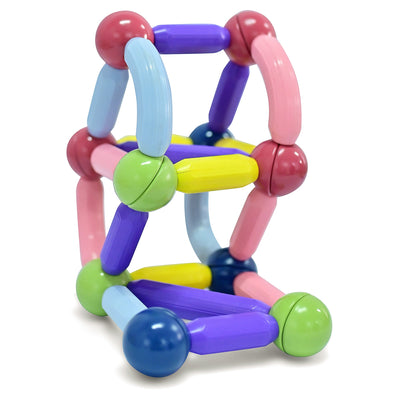
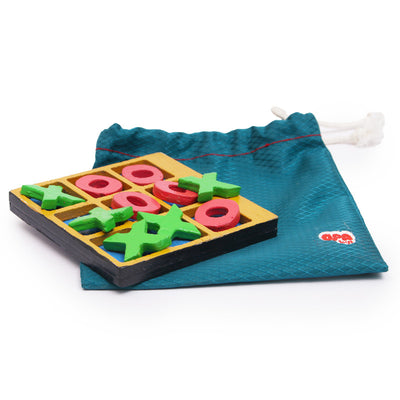
To foster this rich sensory and cognitive development, explore SkilloToys.com for a curated selection of safe, educational, and engaging play-based learning toys. Our collection is designed to complement natural learning experiences, offering stimulating textures and interactive elements that further enhance your child's brain development through joyous, hands-on exploration.