Your child's exploration of diverse textures, from the cool smoothness of marble to the earthy grit of a garden patch, is a secret architect for their future cognitive agility and emotional resilience
Children are natural explorers, their curiosity an unquenchable flame, often leading their tiny hands to touch, grasp, and prod everything within reach. From the intricate weave of their grandmother's *saree* to the bumpy skin of a fresh *karela* in the kitchen, their world is a vibrant tapestry of tactile sensations. We often overlook these moments as mere play or perhaps even a little messy, yet each brush, each squeeze, each gentle pat is profoundly sculpting the very architecture of their developing brain, laying down crucial pathways for complex learning and sophisticated emotional regulation.
It might seem astonishing, but the sheer diversity of textures your child experiences during their early years is a direct, powerful catalyst for their cognitive agility and emotional resilience. This isn't just about sensory input; it's about how the brain registers, interprets, and integrates this information, building a robust internal map of the world that serves as a blueprint for all future learning. When a child touches something, millions of nerve endings send signals racing to the brain's somatosensory cortex, which is a key processing hub. The richer and more varied these signals, the more intricate and robust the neural connections that form.
Think for a moment about a baby's earliest explorations. They grasp a rattle, feel the cool metal, then perhaps a soft toy, noticing the plush fabric. Each distinct sensation creates a unique neural fingerprint. As they grow, this expands: the smooth coolness of a ceramic tile underfoot, the scratchy warmth of a woollen blanket, the delightful stickiness of *jalebi* batter on their fingers. These experiences are not isolated; they build on each other, forming a complex sensory library within the brain. This library is crucial because it helps children understand their environment, anticipate outcomes, and even develop a sense of self in relation to the physical world.
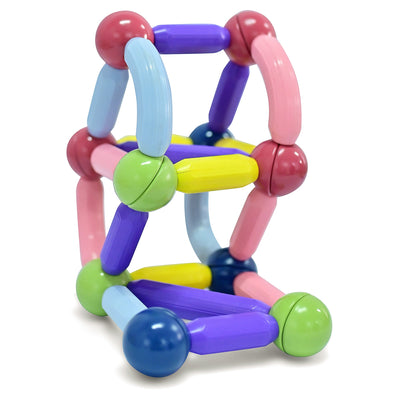
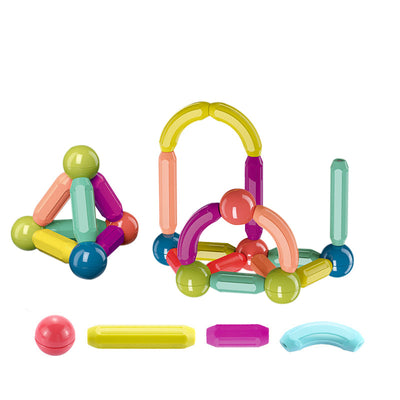
This intricate sensory integration goes far beyond just recognising textures. Research consistently shows a profound link between rich tactile experiences and enhanced language development. When a child feels a rough surface and hears the word "rough," their brain forms a stronger, multi-sensory connection to that concept. Similarly, manipulating objects with varied textures refines fine motor skills, which are fundamental for writing and drawing later on. Moreover, the ability to discern and categorise textures lays groundwork for abstract thinking, problem-solving, and even early mathematical concepts, like understanding patterns and comparisons. Imagine a child sorting different grains – the roundness of *rajma*, the flatness of *dal*, the smallness of *til* – they are implicitly engaging in classification, a core mathematical skill.
Beyond academics, the calming effect of certain textures can also contribute significantly to emotional regulation. The soothing rhythm of kneading *atta* to make *roti*, for instance, provides deep pressure input that can be incredibly grounding for a child experiencing big emotions. Or the gentle caress of a soft cotton shawl can provide comfort and security. Children learn to seek out and utilise these tactile inputs to self-soothe, developing an early sense of agency over their emotional states. This self-regulation is a cornerstone of mental well-being and a skill that will serve them throughout their lives.
So, how can we, as parents, foster this crucial aspect of development in our bustling Indian households? The answer lies in mindful observation and embracing everyday opportunities. Let your child explore the distinct textures of different spices in your *masala daani* (under supervision, of course!). Encourage them to help you with simple kitchen tasks like washing vegetables, feeling the smooth skin of a brinjal or the textured surface of a cucumber. Take them to the local park or garden and let them feel the rough bark of a mango tree, the softness of grass, or the cool, damp earth after a monsoon shower. Even simple sensory bins filled with dry lentils, rice, or colourful fabrics can provide a wealth of tactile stimulation.
The key is not to over-curate or sanitise their world, but to allow for natural, uninhibited exploration within safe boundaries. Yes, it might mean a little more mess, a few more wiped hands, but the neurological dividends are immense. Each sensory experience contributes to building a resilient, adaptable brain capable of navigating the complexities of modern life with greater ease and confidence. Remember, the goal isn't just to teach them about the world, but to equip their brains with the tools to learn from and adapt to it.
The subtle symphony of touch is continuously orchestrating your child's internal world, shaping not only their sensory perception but also their cognitive prowess and emotional equilibrium. Embrace these simple, profound moments.
To support this rich tapestry of sensory and cognitive growth, exploring safe, educational, and play-based learning toys is invaluable. Discover thoughtfully designed tactile and manipulative toys at SkilloToys.com that naturally encourage exploration and aid your child's holistic development.