DIY Activities to Reduce Screen Time for Child Health
Engaging in DIY activities to reduce screen time is a crucial strategy for Indian parents to safeguard their children's long-term health, directly combating risks like those highlighted in recent studies on heart health. These hands-on alternatives provide essential cognitive and physical development, offering a definitive pathway to healthier childhoods away from digital screens. Parents can empower their children with creative, screen-free experiences that nurture well-being and foster a love for tangible play, right within the comfort of their homes.
Reducing screen time involves replacing digital device use with constructive, real-world interactions and play. This matters immensely because excessive screen exposure is linked to developmental delays, obesity, and cardiovascular issues, as research consistently shows. Indian parents can proactively implement a variety of DIY activities, leveraging household materials and traditional games, to foster healthier habits and protect their children's developing bodies and minds.
The Urgent Need for Screen Time Alternatives for Kids in India
The recent NDTV article highlighting a new study linking excess screen time to heart risks in children has rightfully caused concern among parents. This is not just a Western phenomenon; studies indicate that children spending more than two hours daily on screens face higher risks of obesity, metabolic syndrome, and compromised cardiovascular health. This is particularly concerning for Indian children who often navigate demanding academic schedules and find solace in digital entertainment during downtime, impacting their overall well-being.
As parents in bustling Bengaluru and across India, we constantly strive to provide the best for our children, balancing academic pressure with opportunities for play. However, the pervasive nature of screens demands a conscious shift. Prioritizing screen time alternatives for kids is no longer just about fostering creativity; it's about making definitive choices for their physical and mental health. Let’s explore how we can empower our children with engaging, health-conscious activities.
Montessori Screen Free Play: Nurturing Healthy Development at Home
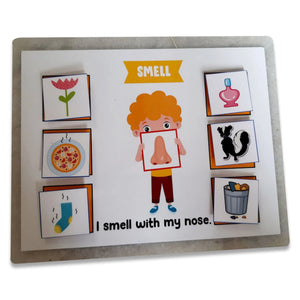
Maria Montessori's philosophy emphasizes hands-on learning and practical life skills, which are perfect screen time alternatives for kids. These activities not only keep children engaged but also develop concentration, independence, and fine motor skills. Integrating Montessori-inspired screen-free play into daily routines can transform how your child interacts with their environment and learns.
Consider activities like sorting pulses, kneading atta for rotis, or helping arrange fresh vegetables from the market. For younger children aged 18-24 months, simple activities like transferring water with a sponge or stacking blocks like our Montessori method learning materials can be incredibly engaging. These tasks are purposeful and provide immediate sensory feedback, fulfilling a child's innate drive to learn by doing.
Indoor Activities No Screen Time: Creative DIY Solutions
Transforming your home into a hub of creativity is easier than you think, offering abundant indoor activities with no screen time. Utilize everyday materials to spark imagination and hands-on engagement. Imagine building a grand fort with old sarees and cushions, creating a 'mini-dukaan' (shop) with empty cartons, or putting on a puppet show with handmade puppets fashioned from old socks or paper bags. These activities encourage collaborative play, problem-solving, and imaginative storytelling.
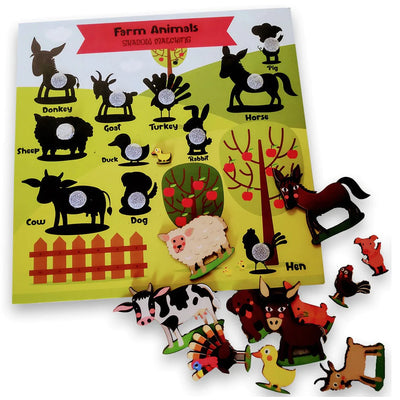
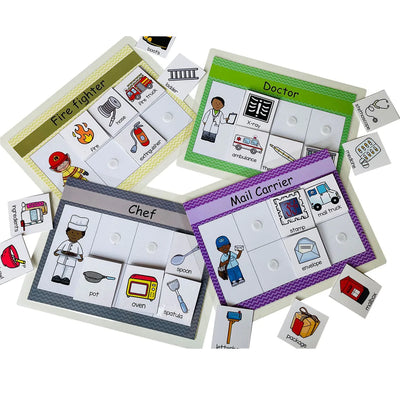
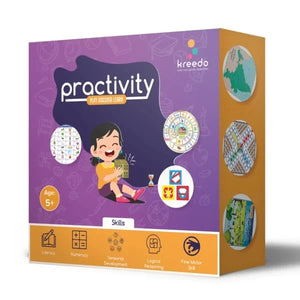
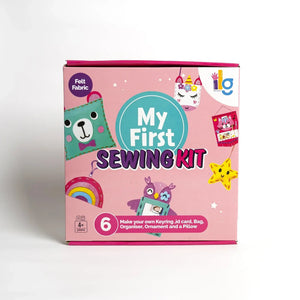
For parents looking for structured yet flexible options, our activity kits offer fantastic starting points for engaging DIY projects. From painting and craft to simple science experiments, these kits provide everything you need to kickstart hours of screen-free fun. They are designed to foster curiosity and critical thinking, moving beyond passive consumption of digital content.
Boosting Fine Motor Skills with Screen-Free Fun
Engaging in specific screen-free activities significantly enhances fine motor skills, which are crucial for handwriting, self-care, and many daily tasks. Studies show that children who engage in regular fine motor play demonstrate better academic readiness and problem-solving abilities. Think about tearing paper for collages, stringing beads for a necklace, or manipulating clay to create intricate shapes, mimicking the precise movements needed for holding a pencil or fastening buttons.
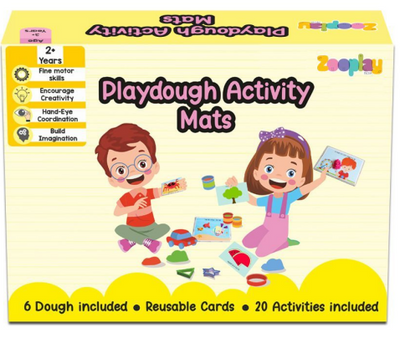
Activities involving small objects, like sorting buttons by colour or size, using child-safe scissors to cut shapes, or even playing with playdough, provide invaluable practice. SkilloToys offers a range of toys and games for fine motor skills that complement these DIY efforts, providing high-quality tools that support your child’s physical development while keeping them happily occupied and away from screens.
Protect Child from Screen Time: Practical Strategies for Indian Homes
Effectively reducing screen time requires a mindful and consistent approach tailored to the Indian family context. Creating 'screen-free zones' during mealtimes, family conversations, or designated hours of the day is a highly effective strategy. This encourages genuine interaction and ensures that meal times are truly about bonding, not distractions.
Leverage the rich intergenerational dynamics often present in Indian homes. Grandparents can play a vital role by sharing captivating stories, teaching traditional crafts like weaving or kolam/rangoli, or engaging children in outdoor games like carrom, gilli-danda, or hopscotch. These activities not only protect children from screen time but also strengthen family bonds and pass on cultural heritage, creating cherished memories.
Making Screen-Free Play Achievable and Fun
Consistency is key when introducing and maintaining screen-free habits. Instead of an abrupt ban, gradually introduce compelling alternatives that pique your child's interest. A weekly 'DIY challenge' where children create something new with household items can foster excitement and ownership, making them active participants in their screen-free journey.
Remember, the goal is not just to remove screens but to fill that time with enriching experiences. Embrace the enthusiastic spirit of exploration alongside your child. Celebrate their creations, no matter how simple, and cherish the moments of connection that these shared activities bring. By providing a rich environment for screen-free play, Indian parents are not only protecting their children's health but also nurturing resilient, imaginative, and well-rounded individuals.
- Excessive screen time is definitively linked to significant health risks, including cardiovascular issues, obesity, and developmental delays, as recent studies confirm.
- DIY activities serve as powerful, accessible screen time alternatives, fostering holistic child development through hands-on engagement and creativity.
- Maria Montessori's educational philosophy offers a structured and effective approach to engaging children in screen-free, purposeful learning and practical life skills.
- Incorporating simple indoor activities and traditional Indian games can significantly boost children's fine motor skills, problem-solving abilities, and imaginative play.
- Indian families can effectively reduce screen time by establishing 'screen-free zones' and leveraging intergenerational activities with grandparents for cultural enrichment and bonding.
- Parental consistency, enthusiastic participation, and providing a rich environment are crucial for successfully transitioning children to healthier, screen-free play habits.
What are the primary health risks associated with excessive screen time in children?
Excessive screen time in children is linked to increased risks of obesity, metabolic syndrome, and cardiovascular issues, as confirmed by recent research. It also negatively impacts sleep quality, vision, and cognitive development, making active intervention essential for parental guidance.
How can Montessori principles help reduce screen time at home?
Montessori principles promote self-directed, hands-on learning through practical life activities and sensorial exploration, naturally diverting children from screens. Activities like preparing snacks, watering plants, or sorting materials engage children deeply and purposefully, fostering independence and concentration.
What are some easy indoor activities for kids with no screen time?
Easy indoor activities include building forts with blankets and cushions, creating artwork with recycled materials, engaging in storytelling with puppets, or playing traditional Indian board games like carrom. These activities require minimal setup, foster creativity, and encourage social interaction within the family.
How important is parental involvement in reducing a child's screen time?
Parental involvement is paramount in reducing a child's screen time, as parents model healthy habits and actively facilitate engaging alternatives. Consistent participation, enthusiasm, and creating a supportive environment from parents encourage children to embrace screen-free play and healthier lifestyles.
At what age should I start limiting screen time for my child?
Child development experts strongly recommend no screen time for children under 18-24 months, beyond occasional video calls with family. For older children, establishing clear limits and providing engaging alternatives from a young age is crucial for fostering healthy development and preventing dependency.