DIY Children's Day Activities for Kids at Home
Celebrating Children's Day at home with engaging DIY Children's Day activities fosters creativity, strengthens family bonds, and creates cherished memories. Research shows that child-led, hands-on play is crucial for cognitive development and emotional well-being. Indian parents can transform this special day into an unforgettable learning and bonding experience right in their living rooms.
Children's Day in India, celebrated on November 14th, honors childhood and pays tribute to Jawaharlal Nehru's profound love for children. This matters because it reminds us to nurture our children's unique potential and provide joyful, stimulating environments for their growth. Indian parents can use this day to truly connect with their children through shared, creative experiences.
Crafting Joy: Personalised Art & Decor at Home
Engaging in creative Children's Day activities for kids at home offers a fantastic opportunity for self-expression and skill development. Child development experts agree that art activities enhance fine motor skills, a core component of early learning. These projects are not just fun; they build confidence and provide a tangible reminder of a special day.
DIY Memory Jar & Gratitude Tree
Create a beautiful “Memory Jar” where each family member writes down a favorite memory of the child or a hope for their future. Use colorful paper slips, bindis, and glitter to decorate a simple glass jar. Alternatively, make a “Gratitude Tree” by drawing a tree on a large chart paper and having everyone write or draw things they are grateful for about the child on leaf-shaped cutouts. This activity fosters emotional intelligence and a sense of appreciation within the joint family setting.
Handprint & Footprint Art
Capture your child’s fleeting childhood with adorable handprint or footprint art. Use non-toxic paints to create a family canvas, perhaps transforming prints into cute animals or flowers. This makes a wonderful keepsake and allows even the youngest members (18-24 months) to participate actively. You can find excellent resources and materials to support these creative endeavors within our activityKits collection, designed to spark imagination.
Culinary Adventures: Little Chefs in the Kitchen
Involving children in kitchen activities, especially for Children's Day celebration ideas at home, promotes practical life skills and fosters a sense of responsibility. Studies indicate that children who cook regularly tend to develop healthier eating habits and better understand nutrition. These shared moments around food become some of the most cherished memories for Indian families.
No-Bake Laddoo & Sandwich Fun
Let your child be a “master chef” for the day with simple no-bake recipes. Coconut laddoos, requiring only desiccated coconut, condensed milk, and cardamom, are easy and delicious for little hands to roll. For savory fun, let them assemble their own “face” sandwiches using cookie cutters for shapes and various vegetables for features. These activities develop precision and hand-eye coordination.
Decorate Your Own Cupcakes or Biscuits
Bake plain cupcakes or biscuits beforehand, and then let your children take over the decorating. Provide colorful frostings, sprinkles, chocolate chips, and even some traditional Indian sweet toppings like silver leaf (varak) or chopped pistachios. This encourages creativity and allows them to personalize their festive treats. It's a delightful way to spend quality time together, creating delicious memories.
Playful Learning: Montessori-Inspired Games
Maria Montessori's philosophy emphasizes purposeful play and hands-on learning, which perfectly aligns with creative Children's Day activities for kids. Integrating Montessori principles into your home celebration means providing engaging, self-correcting activities that support your child's natural development. These experiences enhance concentration and problem-solving abilities.
DIY Sensory Bins with Indian Textures
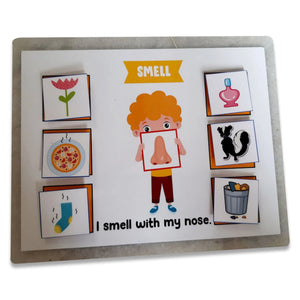
Create a sensory bin using a shallow container filled with various materials like lentils, rice, chickpeas, or even small amounts of dried spices like star anise and cinnamon sticks. Add scoops, small bowls, and tongs for transferring activities. This engages multiple senses and refines fine motor skills, crucial for writing readiness. Supervise closely, especially with younger children, to ensure safety.
Practical Life Skills Challenge
Set up a series of simple “challenges” that mimic everyday tasks. This could include sorting different types of buttons, folding small napkins, pouring water from one jug to another without spilling, or using clothespins to hang small cloths. These activities empower children by developing independence and coordination. Our Montessori learning materials provide excellent inspiration for such purposeful play.
Family Fun: Backyard & Balcony Games
How to celebrate Children's Day with kids often involves outdoor play or creative indoor games that promote physical activity and teamwork. Studies show that regular family engagement in play significantly boosts a child’s emotional resilience and social skills. Even small spaces like balconies can be transformed into a hub of excitement.
Themed Scavenger Hunt
Organize a “Children’s Day Treasure Hunt” around your home or balcony. Hide clues related to your child’s favorite stories, characters, or even family memories. The “treasure” could be a book, a small DIY craft kit, or a handmade card. This activity encourages problem-solving, reading, and teamwork among siblings or family members.
Traditional Indian Games with a Twist
Reintroduce classic Indian games indoors or in your backyard. Simple games like “Ludo” or “Snakes and Ladders” can be given a DIY makeover with handmade boards. Or, adapt games like “Lagori” by stacking soft blocks or cushions and using a soft ball. These games bridge generations, with grandparents often delighted to share their childhood memories and expertise.
- DIY Children's Day activities strengthen family bonds and create lasting memories.
- Hands-on activities enhance fine motor skills, creativity, and problem-solving abilities.
- Involving children in kitchen tasks promotes practical life skills and healthy habits.
- Montessori-inspired play encourages independence and sensory development.
- Family games, whether traditional or modern, boost emotional resilience and social skills.
- Celebrating at home offers a personalized and meaningful way to honor childhood.
What are simple DIY Children's Day activities for home?
Simple DIY Children's Day activities include crafting personalized cards, creating sensory bins with household items, baking easy treats together, and setting up a themed scavenger hunt. These activities use readily available materials and encourage creative expression.
How can I celebrate Children's Day meaningfully at home?
Celebrate Children's Day meaningfully by focusing on quality family time, child-led activities, and fostering connection. Engage in shared projects like cooking, crafting, or reading, ensuring your child feels heard, loved, and celebrated for who they are.
What are some Montessori-inspired Children's Day crafts?
Montessori-inspired crafts for Children's Day emphasize practical life skills and sensory exploration. Examples include transferring activities with pulses, sorting natural materials, creating simple fabric collages, or developing fine motor skills through bead stringing and lacing cards.
Can grandparents join in DIY Children's Day fun?
Absolutely, grandparents are wonderful participants in DIY Children's Day fun, bringing invaluable wisdom and storytelling to the activities. Their involvement enriches the experience, fosters intergenerational bonding, and creates deeply cherished family memories for everyone involved.
What age groups benefit most from DIY celebrations?
Children across all age groups benefit significantly from DIY celebrations, though the complexity of activities should be tailored. Toddlers enjoy sensory play and simple crafts, while preschoolers thrive with imaginative projects, and older children appreciate collaborative challenges and creative expression.