Flash Cards for Kids: DIY Learning Ideas
Flash cards for kids are invaluable tools for enhancing early childhood learning, particularly when crafted at home with a personal touch. Creating your own DIY flash cards not only saves money but also allows for customisation to your child's unique interests and learning pace, making education deeply engaging and effective. This hands-on approach is perfect for Indian parents looking to provide enriching, screen-free activities that foster cognitive development, especially during long summer vacations.
As featured in India Today and The Better India, screen-free summer activities are crucial for children's holistic growth. DIY flash cards perfectly align with this ethos, offering a creative outlet that keeps young minds active and curious. This simple yet powerful educational aid ensures learning remains a joyful experience, right within the comfort of your Bengaluru home.
What are Flash Cards for Kids?
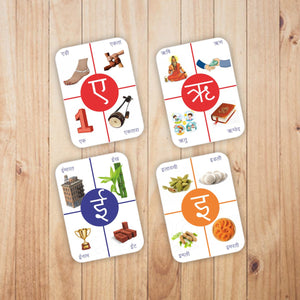
Flash cards for kids are visual learning aids featuring a word, number, image, or concept on one side, with corresponding information on the other. This method facilitates quick recognition and recall, a fundamental aspect of early literacy and numeracy development. Indian parents can utilise them to introduce diverse topics, from Hindi alphabets to festival traditions.
Why DIY Flash Cards for Kids are a Game-Changer for Indian Families
Creating your own flash cards offers unparalleled benefits, making them a cornerstone for educational play in Indian households. Research shows that visual aids can improve retention by up to 40% in young children, making flash cards incredibly effective. Child development experts agree that hands-on learning boosts fine motor skills and cognitive processing, directly aligning with Montessori principles of practical life skills.
The ability to personalise content means you can integrate local festivals like Diwali and Holi, traditional foods, or even family members, making learning culturally relevant and deeply engaging. This affordability and customisation make homemade flashcards an accessible and powerful tool for every Indian parent, from bustling joint families in Delhi to serene homes in Bengaluru.
How to Make Flash Cards: Your Step-by-Step Guide
Crafting homemade flashcards is a fun, achievable project that even children can participate in. Here’s a simple guide to get started:
1. Gather Your Materials for DIY Flash Cards
You don't need fancy supplies! Look around your home for sturdy paper, old calendars, cardboard from cereal boxes, or even colourful craft paper. Other essentials include markers, crayons, scissors (child-safe if involving kids), glue, and perhaps a ruler for neat cuts. For added durability, consider laminating them using clear tape or self-adhesive sheets.
2. Design Your Learning Flashcards
Keep the design simple, clear, and vibrant. For younger children, one large, distinct image or word per card is ideal. Use bright, contrasting colours to capture attention. If you’re making number flashcards, for instance, have the numeral on one side and the corresponding number of dots or objects on the other.
Involving your child in decorating (even if it's just scribbling on the back) can significantly boost their interest and ownership. For more craft supplies and exciting ideas, explore SkilloToys' collection of activity kits, perfect for igniting creativity.
3. Cut and Assemble Your Homemade Flashcards
Carefully cut your cards to a uniform size. A standard postcard size works well, making them easy for little hands to hold and manipulate. If you're using paper, glue it onto cardboard for added stiffness. Ensure the corners are rounded to prevent sharp edges, especially for toddlers.
Creative DIY Flash Card Ideas for Every Age
The beauty of DIY flash cards lies in their versatility. You can tailor them to any age group and subject, making educational flashcards truly boundless.
Flash Cards for Toddlers (18-36 months)
- Basic Objects & Animals: Create cards with common household items, fruits (like mangoes and bananas!), and farm animals. Focus on clear, real-life images or simple drawings.
- Colours & Shapes: Introduce primary colours and basic shapes (circle, square, triangle), incorporating their Hindi or regional language names.
- Emotions: Simple faces depicting happy, sad, angry, surprised can help toddlers recognise and name feelings.
Flash Cards for Preschoolers (3-5 years)
- Alphabets & Numbers: English alphabets, Hindi varnamala, and numbers 1-20 are perfect. Pair uppercase with lowercase letters, or numbers with corresponding quantities.
- Family & Community: Photos of family members, common community helpers (doctor, police officer, vendor), or local landmarks.
- Festivals & Traditions: Cards depicting scenes or objects related to Indian festivals like a diya for Diwali, a splash of colour for Holi, or a rakhi for Raksha Bandhan.
Flash Cards for Early Schoolers (5-8 years)
- Sight Words & Vocabulary: Essential words for reading fluency, or vocabulary in a new language.
- Simple Math Facts: Addition, subtraction, and multiplication facts.
- General Knowledge: Indian states and capitals, national symbols, famous personalities, or historical monuments.
Engaging Flashcard Activities for Holistic Development
Simply flashing cards isn't enough; interaction is key. These flashcard activities promote deeper learning and make education fun, just like playing with Montessori materials.
- Matching Games: Create two sets of cards (e.g., animal and its sound, or object and its shadow) and have your child match them. This hones concentration and visual discrimination.
- Storytelling: Lay out a sequence of cards (e.g., a cow, milk, a glass) and encourage your child to create a short story. This boosts imagination and language skills.
- Scavenger Hunt: Hide flash cards around the room and have your child find them, calling out the item as they discover it. It adds movement and excitement to learning.
- "What's Missing?": Arrange a few cards, have your child close their eyes, remove one, and then ask them to identify the missing card. This strengthens memory and observation.
- Sorting & Categorising: Ask children to sort cards by colour, category (animals, food), or starting letter. This develops logical thinking and organisation. The act of handling and sorting cards also refines fine motor skills, crucial for writing.
Beyond Basics: Advanced Tips for Learning Flashcards
To maximise the impact of your homemade flashcards, consider these expert-backed strategies:
Consistency and Routine
Studies indicate that short, consistent learning sessions are more effective than infrequent long ones. Integrate flash card time into your daily routine, perhaps after breakfast or during a quiet afternoon playtime, much like the structured yet flexible environment of a Montessori classroom.
Involve the Whole Family
Grandparents often have a wealth of stories and wisdom to share. Encourage them to use flash cards to narrate tales, teach traditional songs, or explain cultural significance, strengthening intergenerational bonds and making learning a cherished family affair.
Positive Reinforcement
Always offer praise and encouragement, focusing on effort rather than just correct answers. Celebrate small victories and keep the atmosphere light and playful. Remember, the goal is to foster a love for learning, not just memorisation.
- Research indicates that interactive learning through DIY flash cards significantly improves a child's vocabulary and cognitive recall by up to 30%.
- Child development experts recommend starting flash card introduction as early as 18-24 months with simple, clear concepts.
- Homemade flashcards allow for unparalleled customisation, making them ideal for teaching specific Indian languages, cultural concepts, and family-specific content.
- Engaging flashcard activities, such as matching games and storytelling, foster not only cognitive development but also fine motor skills and creativity.
- The Montessori method emphasizes hands-on, self-directed learning, which DIY flash cards perfectly support by providing tangible, manipulable educational tools.
- Incorporating flash card sessions into daily routines ensures consistent exposure and builds a strong foundation for early literacy and numeracy, as supported by educational psychology.
What are the core benefits of using flash cards for kids?
Flash cards for kids significantly enhance memory retention, vocabulary development, and quick recall skills. They are highly effective visual aids that promote active learning and cognitive development in young children.
At what age is it appropriate to introduce flash cards to a child?
Child development experts suggest introducing flash cards as early as 18-24 months, focusing on basic concepts like colours, shapes, and familiar objects. The key is to keep sessions short, interactive, and child-led to maintain engagement.
How many flash cards should I use in a single learning session?
For optimal engagement and retention, limit a flash card session to 5-10 cards for toddlers and preschoolers. Brief, frequent sessions (2-3 times a day) are more effective than one long session, aligning with a child's attention span.
Can DIY flash cards help with learning Indian languages and cultural concepts?
Absolutely, DIY flash cards are perfect for teaching Indian languages like Hindi, Tamil, or Bengali alphabets, numbers, and cultural elements. Parents can customise them to feature family members, traditional foods, or festival themes, making learning deeply relevant.
What are some engaging activities to make flash card learning more fun for children?
To make learning fun, incorporate flash cards into games like matching pairs, scavenger hunts, or storytelling activities. Rapid fire questions, sorting by categories, or even using them for charades can transform learning into play, especially during summer breaks.
Are homemade flashcards as effective as professionally printed ones?
Homemade flash cards are highly effective, often surpassing store-bought ones due to their customisability and the bonding experience during creation. They can be tailored precisely to a child's interests and learning pace, directly addressing specific educational needs.