Play-Based Learning Activities: DIY Guide for Kids 3-10
Hands-on play-based learning activities are fundamental for holistic child development, especially for children aged 3-10. Research shows that engaging children in purposeful play enhances cognitive, social, and emotional skills, setting a strong foundation for future academic and life success. This approach is gaining significant traction globally, as evidenced by recent discussions from UNICEF.
Play-based learning integrates purposeful play with educational objectives, allowing children to learn naturally through exploration and discovery. This approach matters because it builds critical thinking, problem-solving, and social skills more effectively than rote memorization. Indian parents can implement this by creating stimulating home environments and engaging in simple, everyday activities with their children.
What is Play-Based Learning and Why It Matters for Indian Kids?
Child development experts agree that play is not just recreation; it is the primary way children learn about their world. For Indian children navigating a competitive educational landscape, play-based learning offers a vital sanctuary where intrinsic motivation flourishes. It helps children develop resilience and a growth mindset, essential traits for overcoming challenges, both in school and life.
Studies indicate that children who engage in regular play-based learning demonstrate superior language development, improved concentration, and enhanced creativity. This method allows them to internalize concepts through personal experience, a stark contrast to the pressure of rote learning often prevalent. It ensures that learning is joyful and organic, rather than a chore.
Embracing this approach helps prepare children for real-world situations, building their capacity to innovate and adapt. It's about nurturing well-rounded individuals who can think critically, collaborate effectively, and communicate confidently – skills that are invaluable in Bengaluru's dynamic environment and beyond.
Montessori Play Activities at Home: Fostering Holistic Growth
The Montessori philosophy, championed by Maria Montessori, is a cornerstone of effective play-based learning. It advocates for self-directed activity, hands-on learning, and collaborative play, promoting a child’s natural desire to learn. Many Montessori-inspired activities can be easily replicated at home using everyday items, perfectly aligning with the DIY spirit.
For instance, practical life activities like pouring water, sweeping, or buttoning clothes are not just chores; they are exercises in concentration, coordination, and independence. These simple tasks help develop crucial fine motor skills and a sense of accomplishment. Explore our range of fineMotor toys and materials to support these developmental milestones.
Setting up a 'prepared environment' at home, as Montessori suggests, means providing accessible, age-appropriate materials that invite exploration. This could be a shelf with puzzles, sorting games, or materials like our Montessori Method Learning Materials, encouraging children to choose their own activities and learn at their own pace.
DIY Play-Based Learning: Engaging Activities for 3-10 Year Olds
Creating engaging DIY play based learning experiences at home doesn't require expensive materials. Many wonderful activities can be crafted using items readily available in Indian households, making them achievable and sustainable for all families, including those in joint family setups.
Sensory Exploration for Younger Children (3-5 Years)
For preschoolers, sensory play is paramount. A simple sensory bin filled with dried dal, rice, or even sand, along with spoons, cups, and small toys, offers hours of exploration. Children develop fine motor skills, learn about textures, and engage in imaginative play. Adding natural elements like leaves or flowers collected during a garden walk enhances the experience.
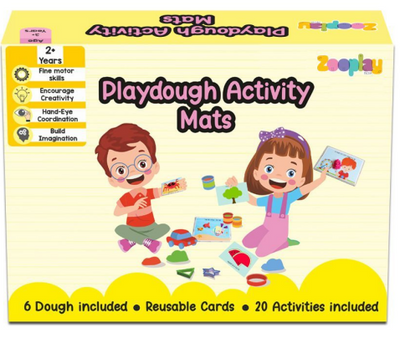
Another fantastic activity is making homemade playdough using flour, salt, and water, perhaps with a touch of food coloring for vibrancy. Children can mold, cut, and create, strengthening hand muscles and boosting creativity. These early educational activities for 3-10 year olds are foundational for later learning.
Creative Problem-Solving for Middle Childhood (6-8 Years)
Children in this age group thrive on challenges that encourage creative thinking. DIY board games using cardboard and markers, where they design rules and game pieces, are excellent. This fosters logical reasoning, cooperation, and artistic expression. Parents can participate, turning it into a memorable family activity.
Simple science experiments using kitchen ingredients – like making a volcano with baking soda and vinegar, or exploring density with oil and water – spark curiosity and introduce scientific concepts playfully. These hands-on explorations help demystify the world around them, making learning exciting and tangible. Consider a themed activityKits for inspiration.
STEM and Critical Thinking for Older Kids (9-10 Years)
For older children, the focus shifts towards more complex problem-solving and critical thinking. Building challenges using recycled materials like cardboard boxes, newspapers, and tape can lead to incredible structures, vehicles, or even entire imaginary towns. This promotes engineering skills, spatial reasoning, and collaborative teamwork.
Encourage them to create a family newspaper or a storytelling journal, where they interview family members, research local Bengaluru stories, or invent their own narratives. This develops writing, research, and communication skills. These activities also naturally align with celebratory occasions like Children's Day, fostering creative expression rather than solely focusing on external decorations.
Screen-Free Play Based Learning: Nurturing Real-World Skills
In an increasingly digital world, promoting screen-free play based learning is crucial for balanced child development. Excessive screen time can hinder the development of social skills, creativity, and physical activity. By creating engaging alternatives, parents empower children to explore, interact, and build genuine connections.
Studies show that unstructured, screen-free play significantly improves executive functions, including memory, attention, and problem-solving. This type of play allows children to engage all their senses, move their bodies, and interact with the physical world, leading to more robust neural connections and holistic growth.
Encourage outdoor play, family board games, reading together, or simple conversations over chai. These moments, whether it's helping grandparents in the garden or creating a puppet show for the family, are invaluable. They build social graces, emotional intelligence, and lasting family bonds, reinforcing the cultural fabric of Indian homes.
Embracing DIY play-based learning activities is one of the most enriching gifts you can give your child. It's about more than just fun; it's about nurturing curious, confident, and capable individuals ready to explore the world around them. SkilloToys.com is committed to supporting Indian parents on this journey, providing resources and Montessori-inspired toys that complement these invaluable home experiences.
- Play-based learning is essential for holistic child development, enhancing cognitive, social, and emotional skills.
- The Montessori philosophy strongly aligns with play-based learning, advocating for self-directed and hands-on exploration.
- DIY activities using household items make play-based learning accessible and sustainable for Indian families.
- Screen-free play is crucial for developing executive functions, creativity, and strong social skills in children.
- Engaging in purposeful play helps children build resilience and critical thinking, vital for navigating academic and life challenges.
- Children aged 3-10 benefit from age-appropriate activities ranging from sensory exploration to complex STEM challenges.
What are the core benefits of play-based learning for children?
Play-based learning significantly enhances cognitive development, problem-solving skills, creativity, and social-emotional intelligence. It allows children to explore concepts at their own pace, fostering a lifelong love for learning rather than rote memorization.
How does Montessori philosophy relate to play-based learning?
Maria Montessori's philosophy is intrinsically play-based, emphasizing self-directed activity, hands-on learning, and collaborative play. It promotes freedom within limits and respect for a child's natural psychological, physical, and social development, which are core tenets of effective play-based learning.
Can play-based learning help address academic pressure faced by Indian children?
Yes, play-based learning offers a crucial counterbalance to academic pressure by developing foundational skills like critical thinking and resilience in a joyful, stress-free environment. It ensures children build a strong conceptual understanding, making future academic challenges more manageable and less intimidating.
What are some easy screen-free play-based activities for toddlers and preschoolers at home?
Simple activities include sensory bins with rice or dal, sorting household items by color or size, practical life skills like pouring water or sweeping, and building towers with blocks. These activities promote fine motor skills, concentration, and early cognitive development without the need for screens.
How can grandparents contribute effectively to play-based learning at home?
Grandparents are invaluable assets, offering storytelling, traditional games like pallankuzhi, cooking together, and sharing cultural knowledge. Their calm presence and wisdom provide rich opportunities for intergenerational play that supports language development, social bonding, and cultural understanding.