Board Games for Kids: Sustainable Fun for Indian Families
Sustainable board games for kids offer Indian families a powerful way to combine educational enrichment with environmental responsibility, fostering critical thinking, social skills, and a deep respect for our planet. Research shows that engaging children in purposeful play strengthens family bonds and promotes cognitive development, making eco-friendly choices in this category an essential part of modern, values-driven parenting. These games not only provide endless hours of fun but also serve as tangible lessons in sustainability, resonating with the growing awareness among Indian households about conscious living.
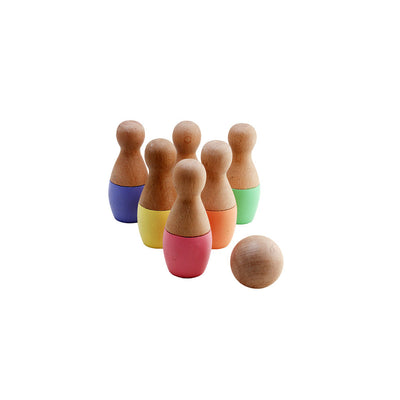
What are Sustainable Board Games? Sustainable board games are thoughtfully designed play items crafted from eco-friendly materials like recycled paper, FSC-certified wood, or plant-based plastics, produced with minimal environmental impact. This matters because they reduce waste, conserve resources, and avoid harmful chemicals, ensuring safer play for children and a healthier planet. Indian parents can choose these games to align their family's entertainment with their environmental values, providing educational benefits without compromising sustainability.
Why Eco-Friendly Board Games are Essential for Indian Homes
The landscape of Indian parenting is evolving, with families increasingly prioritising holistic development over purely academic achievements, as highlighted by recent trends in conscious child-rearing. Eco-friendly board games align perfectly with this shift, offering a balanced approach to learning and play that nurtures both the mind and an appreciation for nature.
These games are particularly beneficial for keeping kids’ enthusiasm and curiosity alive indoors, especially during long winter months or school holidays, as suggested by The Better India. In multi-generational Indian households, eco-friendly board games India provide a wonderful opportunity for grandparents, parents, and children to connect, share stories, and learn from each other in a joyful, screen-free environment.
Child development experts agree that exposure to non-toxic materials is crucial for young children's health, making sustainable choices paramount. By opting for products made from natural or recycled materials, parents are not only safeguarding their children's well-being but also instilling valuable lessons about environmental stewardship from an early age, contributing to a more sustainable future for India.
Cultivating Critical Thinking with Montessori-Inspired Board Games
Montessori education, pioneered by Maria Montessori, champions self-directed activity, hands-on learning, and collaborative play, principles beautifully echoed in many Montessori-inspired board games. These games are designed to engage children in a way that naturally fosters problem-solving, strategic thinking, and independence, moving beyond rote memorization.
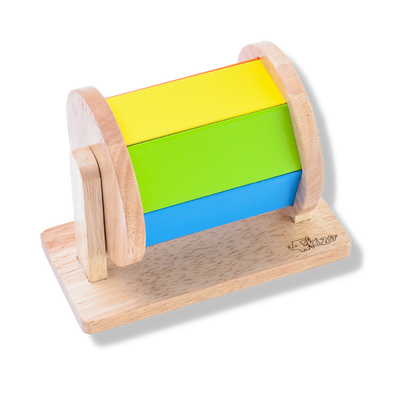
Consider games that involve sorting, sequencing, pattern recognition, or logical deduction; these closely mirror Montessori activities such as the Pink Tower or sorting beads, promoting sensorial and practical life skills. Such educational board games for children are not just about winning; they are about the process of learning, adapting, and understanding cause and effect, essential for cognitive growth.
Studies indicate that children who regularly engage in board games develop superior problem-solving skills and enhance their memory retention by up to 20% compared to those who do not. These activities prepare children for academic challenges and life skills, making them more adaptable and focused individuals in a rapidly changing world.
Identifying Truly Sustainable Board Games in India
When selecting sustainable board games, Indian parents should look for clear indicators of eco-consciousness, starting with materials. Prioritise games made from FSC-certified wood, which ensures responsible forest management, or those utilising recycled paper, cardboard, and bio-plastics, minimising the demand for virgin resources.
Beyond materials, examine the packaging. Truly eco-friendly products come with minimal, recyclable, or compostable packaging, reducing waste. Durability is also a key factor; a well-made game that lasts for years, even decades, significantly reduces its environmental impact compared to flimsy alternatives that are quickly discarded. This aligns with a broader shift in India towards sustainable manufacturing, as seen in projects like Studio Saar's design for a large, sustainable printed circuit board factory.
Furthermore, consider the manufacturing process and brand ethics. Supporting local Indian brands that commit to ethical labour practices and environmentally sound production helps reduce the carbon footprint associated with transportation and encourages a sustainable economy within the country. Look for certifications or clear statements about a company's commitment to sustainability.
Fostering Family Bonds Through Mindful Play
In Indian culture, family time is sacrosanct, and board games provide an ideal platform for strengthening these precious bonds. Gathering around a game allows for shared laughter, friendly competition, and quality interaction away from digital distractions, creating cherished memories that last a lifetime.
These interactive experiences are invaluable for teaching crucial social skills such as turn-taking, patience, communication, and sportsmanship. Playing together, children learn to navigate wins and losses gracefully, collaborate with family members, and articulate their thoughts effectively – skills that are fundamental for thriving in a joint family setting and beyond.
A recent survey in India revealed that over 70% of parents are actively seeking eco-friendly product alternatives for their children, reflecting a significant shift towards sustainable consumer choices. By choosing sustainable board games, families are not just enjoying themselves; they are making a conscious statement about their values, creating a home environment that reflects thoughtfulness for both people and the planet.
- Sustainable board games offer comprehensive developmental benefits for children in India, from critical thinking to social skills.
- Eco-friendly materials ensure safer play for children and significantly reduce the environmental footprint of toys.
- Montessori-inspired board games foster crucial cognitive abilities, practical life skills, and independent learning.
- Family game time strengthens intergenerational bonds, promoting communication and shared experiences in Indian households.
- Conscious choices in board games reflect India's growing eco-awareness and commitment to sustainable living practices.
- Prioritizing game durability and ethical production extends a toy's lifecycle, reducing waste and promoting responsible consumption.
What makes a board game truly sustainable?
A board game is truly sustainable when it is crafted from eco-friendly, non-toxic materials like FSC-certified wood, recycled paper, or plant-based plastics. It also prioritises ethical manufacturing processes, durable design for longevity, and minimal, recyclable packaging to reduce its overall environmental footprint.
Are eco-friendly board games as durable as traditional ones?
Yes, high-quality eco-friendly board games are often designed for superior durability, using robust materials that withstand years of play, making them ideal for passing down through generations in Indian families. Many sustainable options focus on craftsmanship, ensuring they are built to last and reducing the need for frequent replacements.
How do board games support Montessori learning principles?
Montessori-inspired board games encourage independent problem-solving, develop fine motor skills through manipulation, and foster concentration, aligning with Maria Montessori's emphasis on self-directed learning. They often feature clear objectives, natural materials, and promote logical thinking, making them excellent tools for practical life and sensorial development.
What age is appropriate for introducing sustainable board games?
Sustainable board games can be introduced to children as young as 18-24 months with simple matching or sorting games, and progressively to older children for complex strategy and critical thinking. The key is to select games that are age-appropriate and engage their developmental stage, offering challenges without overwhelming them.
Where can Indian parents find authentic eco-friendly board games?
Indian parents can find authentic eco-friendly board games at specialized educational toy stores like SkilloToys.com, which curates a selection focused on sustainability, educational value, and child safety. Look for product descriptions that detail material sourcing, certifications, and the brand's commitment to environmental responsibility.