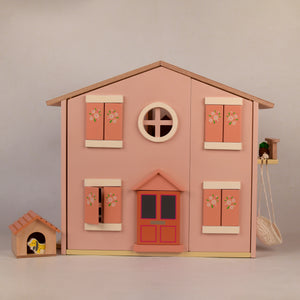
Doll House for Kids: DIY Sustainable Fun for Indian Homes
A DIY sustainable doll house for kids is an educational and eco-friendly toy crafted from repurposed materials, fostering creativity, problem-solving skills, and environmental awareness in young minds. Research consistently shows that engaging children in hands-on activities, like building their own toys, significantly enhances cognitive development and fine motor skills. Indian parents are increasingly embracing these sustainable choices to provide enriching play experiences within their homes and joint families.
This mindful approach not only reduces environmental impact but also deeply connects children to the objects they play with. It’s an empowering way to provide a unique, personalized plaything that resonates with the values of resourcefulness and creativity, essential skills for future generations.
What is a DIY Sustainable Dollhouse?
A DIY sustainable dollhouse is a miniature home built by hand using readily available, recycled, or upcycled materials, minimizing environmental impact. This matters because it teaches children about resourcefulness, reduces waste, and encourages imaginative play over consumerism. Indian parents can empower their children by involving them in every step of this creative construction process, transforming everyday items into cherished treasures.
Why DIY Sustainable Dollhouses are Essential for Indian Kids
Building an eco-friendly dollhouse DIY project offers far more than just a toy; it provides a profound learning experience. Child development experts agree that constructive play significantly boosts cognitive flexibility and spatial reasoning. For Indian children navigating academic pressures, these creative outlets are vital for holistic growth, offering a balance to traditional learning.
Moreover, in a country grappling with growing waste management challenges, involving children in upcycling projects instills an early sense of environmental stewardship. Studies indicate that children who engage in hands-on environmental activities develop a stronger connection to nature and a greater likelihood of adopting sustainable practices in adulthood. This aligns perfectly with the ethos of mindful living and passing on valuable traditions.
Montessori Principles in Your Upcycled Dollhouse Project
The philosophy of Maria Montessori strongly advocates for hands-on learning and practical life activities that empower children through self-directed engagement. An upcycled dollhouse project perfectly embodies these principles, allowing children to manipulate materials, solve spatial problems, and engage in imaginative play within a miniature, child-sized world. This fosters independence and concentration, much like working with traditional Montessori learning materials.
By choosing materials and designing their own spaces, children aged 3-6 years develop their fine motor skills and decision-making abilities. It’s a process where the child is the active agent, creating an environment that reflects their own understanding and creativity, rather than passively receiving a ready-made toy. This active participation strengthens their sense of accomplishment and ownership.
Creative Upcycled Dollhouse Ideas for Every Indian Home
Indian homes are treasure troves of potential upcycled materials, from old cardboard boxes that once held sweets or appliances to fabric scraps from festive wear like sarees or kurtas. Consider using sturdy cardboard cartons as the main structure, adding individual rooms with smaller boxes. For furniture, bottle caps, empty matchboxes, or even small wooden blocks can be repurposed into charming pieces.
Beyond cardboard, think about natural elements readily available around an Indian home or garden. Twigs can become miniature trees, pebbles can pave a tiny courtyard or 'angan', and dried flowers can add a touch of natural beauty. This approach transforms waste into wonder, teaching children the value of resources and encouraging them to see potential in everyday objects. Just as Indian entrepreneurs like Meeta Sharma Gupta have built toy brands with vision, parents can cultivate a similar spirit of creation at home by building sustainable toys India needs.
Crafting Your Eco-Friendly Dollhouse: Step-by-Step Guide
Embarking on this homemade educational toys project is a wonderful journey for the entire family. Start by gathering your materials: sturdy cardboard boxes, safe non-toxic paints, glue, scissors, and any decorative scraps. Involve your child from the initial brainstorming phase, asking them about their dream dollhouse – what rooms does it have? What colours?
Next, help them cut and assemble the main structure, ensuring safety with sharp tools. Encourage them to paint the walls, design miniature furniture, and create tiny accessories. For older children, introduce elements of engineering by showing them how to reinforce walls or create multi-level structures. Consider adding simple electrical circuits with LED lights from old torches for an extra dimension, transforming it into a fascinating craft activity kits project.
Remember, the process is as important as the outcome. Celebrate each small step, from choosing fabric for curtains to placing a tiny 'rangoli' at the entrance of their new dollhouse. This fosters patience, perseverance, and a deep appreciation for their own handmade creation.
The Lasting Impact of Homemade Educational Toys
Investing time in creating a DIY dollhouse yields long-term benefits for a child's development, far beyond the initial play. Children who engage in creating their own toys demonstrate enhanced problem-solving skills, greater persistence, and a deeper sense of accomplishment. This active engagement contrasts sharply with passive consumption of mass-produced toys, fostering genuine creativity.
Moreover, homemade educational toys become cherished keepsakes, often carrying sentimental value across generations, much like family heirlooms. Grandparents can also participate, sharing stories and traditional craft techniques, enriching the experience with cultural heritage. This collaborative creation strengthens family bonds and instills values of self-sufficiency and environmental consciousness, crucial for growing up in modern India.
- A DIY sustainable doll house for kids significantly enhances cognitive development and fine motor skills through hands-on construction.
- Engaging in upcycling projects from a young age instills environmental stewardship and an understanding of resourcefulness in children.
- Montessori principles, such as self-directed learning and practical life skills, are naturally integrated when children build their own dollhouses.
- Indian homes offer a rich source of materials like cardboard, fabric scraps, and natural elements for creative and eco-friendly dollhouse designs.
- The process of crafting homemade educational toys develops problem-solving, persistence, and creativity, offering lasting benefits beyond initial play.
- Family involvement in DIY toy projects strengthens intergenerational bonds and promotes values of sustainability and self-sufficiency.
What materials are best for a DIY sustainable dollhouse?
The best materials for a DIY sustainable dollhouse are readily available upcycled items like cardboard boxes, old fabric scraps, empty spools, and natural elements such as twigs or stones. These materials are cost-effective and teach children about resourcefulness, reducing waste by giving new life to discarded items.
How does a DIY dollhouse support Montessori principles?
A DIY dollhouse strongly supports Montessori principles by promoting hands-on learning, independent exploration, and imaginative play within a prepared environment. It encourages practical life skills, fine motor development, and fosters a child's natural curiosity and sense of agency through self-directed creation.
What age is appropriate for building an upcycled dollhouse?
Children from as young as 3-4 years can actively participate in building an upcycled dollhouse with adult guidance, while older children (6+) can take on more independent roles in design and construction. The project adapts to various developmental stages, allowing for age-appropriate tasks like painting, gluing, or decorating.
Can building a dollhouse really teach my child about sustainability?
Yes, building a dollhouse using recycled materials directly teaches children about sustainability by demonstrating the value of reusing and repurposing items that would otherwise be discarded. It instills an early understanding of environmental responsibility, fostering a mindset of mindful consumption and creativity over waste.
How can I involve my child in the dollhouse making process?
Involve your child in every step, from conceptualizing the design and choosing materials to painting, decorating, and arranging furniture. Encourage their ideas and let them lead parts of the process, ensuring it remains a fun and empowering experience that develops their problem-solving and decision-making skills.