Doll House for Kids: Sustainable Choices for Indian Homes
The best doll house for kids offers more than just entertainment; it provides a canvas for imaginative play and aligns with eco-conscious values. For Indian parents, selecting a sustainable dollhouse ensures a healthier play environment and a smaller environmental footprint. Choosing a sustainable dollhouse for kids involves prioritizing materials like FSC-certified wood, non-toxic finishes, and ethical manufacturing practices. Indian parents can ensure their child's playtime is both enriching and environmentally responsible by opting for durable, handcrafted, or DIY options that promote open-ended play and reduce waste.
What is a sustainable dollhouse? A sustainable dollhouse is crafted from renewable, non-toxic materials, designed for durability, and produced with ethical labor practices. This matters because it reduces environmental impact and ensures a safe, long-lasting toy for children. Indian parents can actively seek out certifications and transparent brand information.
Why Choose a Sustainable Dollhouse for Your Child?
Choosing a sustainable dollhouse goes beyond simply acquiring a toy; it is a mindful decision that impacts your child's well-being and the planet. Research shows that children exposed to natural, non-toxic materials in their play environment exhibit fewer sensitivities and engage in more creative exploration. A sustainable dollhouse is built to last, often becoming a cherished heirloom passed down through generations in Indian joint families, embodying tradition and reducing the cycle of disposable toys.
Furthermore, these choices teach children valuable lessons about environmental responsibility from a young age. As 'The Better India' highlights ways to keep kids engaged indoors during winter, a durable dollhouse provides endless opportunities for imaginative play, helping children develop crucial cognitive and social skills while fostering a connection with nature-friendly products. This investment in quality also supports a circular economy, minimizing waste and promoting conscious consumption within our communities.
Decoding Materials: The Heart of an Eco-Friendly Dollhouse
The materials used in a dollhouse determine its environmental footprint and its safety for your child. Understanding these choices is paramount for an eco-conscious parent. Prioritizing renewable resources and avoiding harmful chemicals ensures a truly eco-friendly dollhouse that supports both health and sustainability.
The Enduring Charm of Wooden Dollhouse India Options
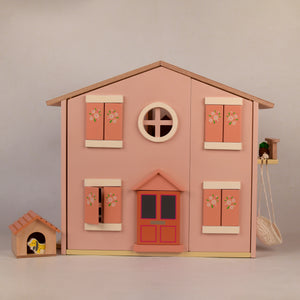
Wooden dollhouses stand as a cornerstone of sustainable play, renowned for their durability, natural aesthetic, and tactile appeal. When selecting a wooden dollhouse in India, it is crucial to look for FSC-certified wood, which guarantees that the timber comes from responsibly managed forests. This certification ensures that the wood is harvested in an environmentally sound, socially beneficial, and economically viable manner.
Beyond the wood itself, the finishes are equally important. Opt for dollhouses treated with non-toxic, water-based paints, stains, or natural oils like beeswax, which are safe for children and do not off-gas harmful chemicals. Many Indian artisans are now creating beautiful, handcrafted wooden dollhouses that reflect local craftsmanship, often utilizing sustainable wood sources and traditional, child-safe finishes, offering a blend of heritage and environmental consciousness.
Beyond Wood: Other Sustainable Choices
While wood is a primary sustainable material, other eco-friendly options are emerging in the toy market. Recycled or upcycled materials, such as sturdy cardboard or bamboo, offer innovative alternatives that reduce waste. Some brands are exploring bioplastics derived from plant sources, though their biodegradability and overall environmental impact should be carefully assessed.
Always verify the non-toxic nature of any material, especially for items that might end up in a child's mouth. Look for certifications like EN71 or ASTM, which confirm safety standards. The goal is to choose materials that are not only renewable but also free from harmful chemicals, ensuring a safe and healthy play experience for your child.
Embracing Montessori Dollhouse Play
The principles of Montessori education strongly advocate for toys that encourage practical life skills, independent exploration, and imaginative play. A dollhouse, particularly a minimalist and open-ended design, perfectly aligns with Montessori dollhouse play by providing a 'prepared environment' in miniature. Children can mimic daily routines they observe at home, fostering a sense of order, responsibility, and social understanding.
Montessori-inspired dollhouses often feature simple, realistic furniture and figures, allowing children to project their own experiences and stories onto the play. This type of play helps develop fine motor skills as children manipulate small objects, and it nurtures emotional intelligence as they act out various family dynamics, much like the structured yet imaginative engagement found in Montessori learning materials. Experts in child development agree that such open-ended play is vital for holistic growth, building a strong foundation for future learning.
The Joy of DIY Dollhouse Materials and Creation
Creating a DIY dollhouse offers a unique opportunity for both parent and child to engage in a sustainable, creative project. This approach champions resourcefulness and significantly reduces environmental impact by repurposing materials that might otherwise be discarded. Using DIY dollhouse materials like sturdy cardboard boxes, old shoe boxes, or even reclaimed wood from unused furniture pieces transforms potential waste into a cherished toy.
Decorating a homemade dollhouse with fabric scraps, non-toxic paints, and natural elements like pebbles or twigs adds a personal touch and encourages creativity. This hands-on experience teaches children about recycling and resourcefulness, providing a valuable lesson in eco-conscious living. Imagine constructing a multi-generational home for tiny dolls, reflecting the warmth and togetherness of Indian families, all from materials found around your home. For more hands-on fun, consider our range of activity kits that encourage similar creative engagement.
Making the Mindful Purchase
When it's time to purchase a dollhouse, Indian parents have the power to make a significant impact through their choices. Opt for brands that demonstrate transparency in their sourcing and manufacturing processes. Look for local Indian toy makers who often use sustainable materials and support traditional crafts, reducing transportation footprints and bolstering local economies.
Consider the longevity of the product. A high-quality, sustainably made dollhouse is an investment that can withstand years of enthusiastic play, from a child's early years right through to their primary school age, and even be enjoyed by visiting cousins or future generations. This focus on durability is a cornerstone of sustainable consumption, proving that sometimes, buying less, but better, is the most eco-friendly choice.
- Sustainable dollhouses prioritize child safety and environmental health through non-toxic, renewable materials.
- FSC-certified wood and non-toxic paints are crucial features for eco-friendly dollhouse choices.
- Montessori principles in dollhouse play foster imagination, practical life skills, and emotional intelligence.
- DIY dollhouses offer creative engagement for families and significantly reduce consumption and waste.
- Durable, high-quality dollhouses are designed to serve multiple generations in Indian families, promoting sustainability.
- Choosing local, ethically-made toys supports sustainable communities and reduces environmental impact.
Are wooden dollhouses truly more sustainable than plastic ones?
Yes, wooden dollhouses are definitively more sustainable than plastic ones when sourced responsibly. Wood is a renewable resource, biodegradable, and often requires less energy to produce, especially if FSC-certified, whereas plastic is derived from fossil fuels and contributes significantly to pollution and landfill waste.
What age is appropriate for a dollhouse?
Dollhouses are generally appropriate for children aged 3 years and older, as this is when imaginative and role-playing skills begin to flourish. For younger toddlers (18-24 months), simpler, sturdy wooden structures with larger, safe pieces can introduce early concepts of spatial awareness and domestic play.
How does a dollhouse support Montessori principles?
A dollhouse supports Montessori principles by fostering practical life skills, imagination, and independence through open-ended play. It allows children to mimic real-life scenarios, organize their environment, and develop social-emotional intelligence by acting out family dynamics and daily routines, much like Montessori activity kits.
Can I make a sustainable dollhouse at home?
Absolutely, making a sustainable dollhouse at home is a wonderful, eco-conscious project. You can utilize recycled cardboard boxes, old furniture pieces, or reclaimed wood, decorating with non-toxic paints and fabric scraps. This DIY approach not only reduces waste but also provides a unique, personalized toy.
What should I look for in a sustainable dollhouse in India?
When choosing a sustainable dollhouse in India, prioritize products made from FSC-certified wood or other renewable materials, finished with non-toxic, child-safe paints. Look for durability, ethical manufacturing practices, and support for local artisans. These choices ensure longevity and a positive environmental impact.