Educational Toys: Curating a Sustainable Montessori Play Space
Curating a mindful Montessori play space and a sustainable collection of educational toys is a foundational step for environmentally aware Indian parents dedicated to their child's holistic development. This approach fosters independence, concentration, and a deep respect for both the learning process and our planet's resources. By consciously choosing materials and designing an intentional environment, families can provide an enriching foundation for growth.
A Mindful Montessori Play Space is a thoughtfully arranged area that invites children to explore, learn, and grow independently with purposeful materials. This matters because it nurtures intrinsic motivation and self-discipline from a young age. Indian parents can create such a space by prioritising natural materials and simple, engaging activities.
Why a Sustainable Educational Toy Collection Matters for Indian Homes
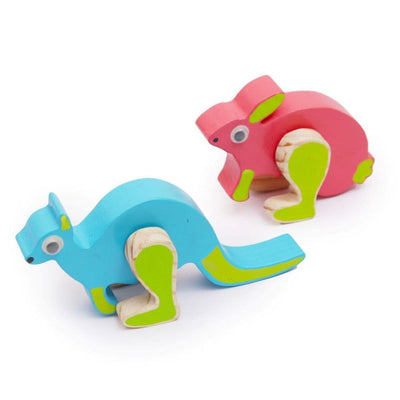
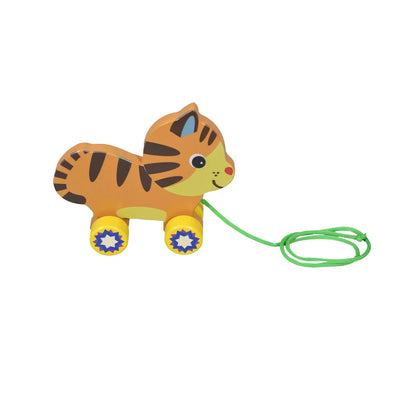
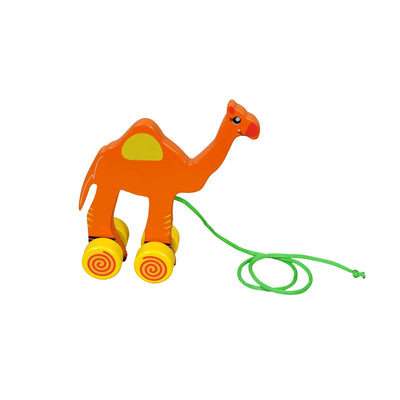
Child development experts agree that the quality of a child's play environment significantly impacts their learning and engagement. Investing in a sustainable educational toy collection means choosing toys designed for durability, open-ended play, and made from natural, non-toxic materials. This aligns perfectly with traditional Indian values of resourcefulness and longevity.
Research shows that toys made from natural materials like wood, organic cotton, and wool offer a richer sensory experience than plastic alternatives, fostering better cognitive and tactile development. Furthermore, these materials are less likely to contain harmful chemicals, ensuring a safer play environment for children across India. As discussions around children's indoor engagement this winter gain traction, ensuring the quality of play materials becomes even more critical.
A sustainable approach also reduces the environmental footprint of toys, addressing growing concerns about waste. By opting for fewer, higher-quality items, Indian families contribute to a healthier planet, passing down not just toys, but also a legacy of eco-consciousness. This choice reflects a broader commitment to sustainable living that is increasingly prevalent in modern Indian design, as seen in projects like Studio Saar's sustainable circuit board factory.
Designing Your Montessori Play Space: Principles for an Eco-Conscious Home
Designing a Montessori play space for an eco-conscious home involves adhering to principles that support a child's natural development while minimising environmental impact. Maria Montessori herself emphasised a prepared environment that is orderly, beautiful, and accessible to the child. This means creating a dedicated area where everything has a place and is within easy reach.
In many Indian homes, particularly joint families or smaller apartments, space can be a constraint, yet the principles remain adaptable. Focus on simplicity, decluttering, and rotating educational toys to keep the environment fresh and engaging without overwhelming the child. Natural light, plants, and elements reflecting local culture can further enhance the space, creating a serene and stimulating atmosphere.
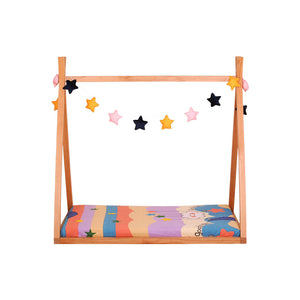
The goal is to empower the child to choose their activities independently, fostering concentration and a sense of ownership. Low, open shelving and child-sized furniture are essential for accessibility, allowing even toddlers (18-24 months) to manage their environment. This setup encourages a child's natural drive for self-reliance, a valuable trait in any context.
Selecting Sustainable Educational Toys: A Guide for Mindful Parenting in India
When selecting sustainable educational toys for mindful parenting in India, prioritize materials that are renewable, recyclable, and non-toxic. Wood, bamboo, metal, and natural fabrics like cotton and linen are excellent choices that stand the test of time and provide a tactile richness that plastic often lacks.
Look for open-ended toys that can be used in multiple ways, encouraging creativity and problem-solving rather than prescriptive play. Classic Montessori materials such as the Pink Tower, Sandpaper Letters, and practical life items are excellent examples, as they engage children in purposeful activities that adapt as they grow. Exploring a wide range of authentic Montessori learning materials can guide your selections.
Consider the full lifecycle of a toy: where it comes from, how it’s made, and where it will go when its purpose is fulfilled. Supporting Indian brands that champion sustainable practices, much like the journey of Meeta Sharma Gupta in building a toy brand, also contributes to the local economy and reduces transportation emissions. Prioritise quality and durability to ensure toys can be cherished for years, passed down through generations, or repurposed.
Integrating Sustainability into Your Child's Play Journey
Beyond selecting sustainable educational toys, integrate eco-conscious habits into your child's daily play journey. This involves teaching respect for materials, proper storage, and the joy of repair. Instead of discarding, encourage mending or repurposing toys, a valuable lesson in resourcefulness that resonates deeply with Indian family traditions.
Implementing a toy rotation system helps maintain interest and keeps the play space uncluttered, reducing the need for excessive purchases. Regularly evaluate your collection to ensure it aligns with your child's current developmental stage and interests, rotating out items that are no longer challenging or engaging. For example, a variety of activity kits can be rotated to introduce new skills and concepts.
Involve children in caring for their play space and toys, fostering a sense of responsibility and gratitude. This mindful approach extends beyond environmental benefits, promoting patience, order, and a deeper appreciation for their belongings. These practices help keep kids' enthusiasm and curiosity alive indoors, particularly relevant during cooler months.
- Curating a sustainable Montessori play space fosters independence and eco-consciousness in children.
- Educational toys made from natural materials offer superior sensory experiences and are safer for children.
- Simplicity, order, and accessibility are fundamental principles for designing an effective Montessori play space.
- Prioritising durable, open-ended educational toys reduces waste and supports long-term child development.
- Implementing toy rotation and involving children in toy care teaches responsibility and extends product lifespans.
- Sustainable toy choices align with traditional Indian values of resourcefulness and environmental stewardship.
What is a Montessori play space?
A Montessori play space is a carefully prepared environment designed to foster a child's independence, concentration, and natural curiosity through accessible, purposeful materials. It encourages self-directed learning and respects the child's developmental stage.
How do sustainable toys benefit my child and the environment?
Sustainable toys, typically made from natural, non-toxic materials, offer safer play experiences for children by avoiding harmful chemicals. Environmentally, they reduce waste, conserve resources, and often support ethical manufacturing practices, contributing to a healthier planet for future generations.
What age is best for introducing Montessori educational toys?
Montessori educational toys can be introduced from birth, with materials tailored to specific developmental stages. For instance, mobiles and grasping toys are suitable for infants, while practical life activities and sensory materials are ideal for toddlers and preschoolers (18-24 months and beyond).
Can I create a Montessori play space in a small Indian apartment?
Absolutely. Creating a Montessori play space in a small Indian apartment is achievable by focusing on quality over quantity, using multi-functional furniture, and implementing toy rotation. A dedicated corner with accessible shelving and child-sized items can transform any space.
How can I involve my child in maintaining their sustainable toy collection?
Involving children in maintaining their sustainable toy collection teaches responsibility and respect for belongings. Simple tasks like putting toys back in their designated spots, helping clean materials, or making decisions during toy rotation can be introduced from an early age.