Educational Toys: India's Eco-Conscious Parenting Trend 2026
Eco-conscious educational toys are undeniably emerging as a defining trend in modern Indian parenting for 2026, driven by a growing awareness of sustainability and a desire for mindful child development. As highlighted by The Times of India's recent article on 'The new rules of parenting,' Indian families are actively seeking products that not only foster learning but also align with their environmental values.
This significant shift reflects a deeper commitment among parents across Bengaluru and beyond to nurture responsible, environmentally aware citizens from an early age. The movement towards sustainable play is transforming how Indian families approach their children's developmental journey.
Eco-conscious educational toys are play materials crafted from sustainable, non-toxic, and ethically sourced components, designed to minimize environmental impact while maximizing developmental benefits. This matters because they offer a healthier, more responsible pathway for nurturing a child's intellect and character. Indian parents can confidently choose these toys to support both their child's growth and the planet's well-being.
The New Rules of Parenting: Why Eco-Conscious Choices Matter for Modern Indian Families
The Times of India recently outlined 'The new rules of parenting,' signalling a profound evolution in how Indian families raise their children. This transformation moves beyond traditional academic pressures, emphasizing holistic development, emotional intelligence, and crucially, environmental stewardship. Modern Indian parents, often balancing demanding careers with family life, are seeking products that simplify choices while upholding core values.
This trend resonates deeply within joint families where grandparents are increasingly supportive of choices that reflect a mindful lifestyle, recognizing the long-term impact on their grandchildren's future. Research indicates a significant rise in Indian consumer preference for sustainable products, with over 70% of urban consumers willing to pay more for eco-friendly alternatives.
Sustainable Educational Toys: A Foundation for Future-Ready Indian Children
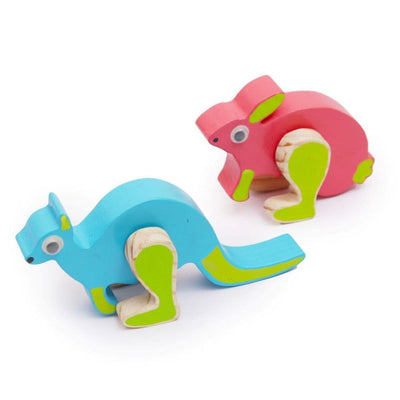
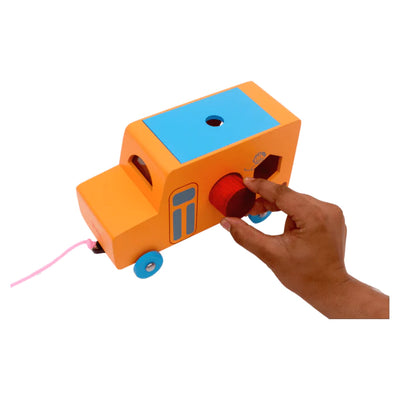
Choosing sustainable educational toys lays a robust foundation for a child's cognitive and practical development. These toys, often crafted from natural wood, organic cotton, or recycled materials, align perfectly with the principles of Maria Montessori, who advocated for sensory-rich, open-ended learning materials. Child development experts agree that such toys encourage problem-solving, creativity, and fine motor skills far more effectively than their plastic counterparts.
For instance, a wooden Montessori learning material like the Pink Tower or Sandpaper Letters allows a child aged 18-24 months to explore concepts of size, texture, and letter recognition tangibly. These materials are built to last, often becoming cherished hand-me-downs, further embodying sustainable practices. They bring a connection to nature even within bustling urban homes, fostering an appreciation for the environment.
Identifying Truly Eco-Friendly Educational Toys for Your Child
Navigating the market for eco-friendly educational toys requires mindful discernment. Indian parents should look for clear indicators such as certifications (e.g., FSC for wood, GOTS for organic textiles), non-toxic paint finishes, and transparent sourcing information. The emphasis is on durability and timeless design, promoting a 'buy once, use well' philosophy that aligns with traditional Indian values of resourcefulness and minimal waste.
It's important to consider the entire lifecycle of a toy, from production to disposal. Brands committed to sustainability will often have policies for ethical manufacturing and even end-of-life recycling programs, reflecting a holistic approach to environmental responsibility.
Eco-Conscious Parenting 2026: Setting the Standard for Play and Learning in India
Looking ahead to 2026, eco-conscious parenting is not just a niche; it is becoming a standard expectation for nurturing children in India. This involves more than just selecting toys; it's about integrating sustainable values into daily life, from celebrating festivals with eco-friendly decorations to choosing responsible school supplies. Sustainable educational toys play a pivotal role in this holistic approach, providing tangible tools for learning about environmental responsibility.
Industry reports project that the sustainable toy market in India is set for substantial growth, indicating parents' increasing willingness to invest in high-quality, meaningful play. Engaging children with activity kits that use natural elements or teach about nature’s cycles fosters empathy and global awareness, preparing them for a world that demands mindful citizens. These choices contribute to raising a generation that understands the interconnectedness of their actions and the planet.
Integrating Sustainable Play into Busy Indian Lifestyles
Integrating sustainable play doesn't mean overhauling your entire lifestyle overnight. It involves small, deliberate choices that accumulate over time. For busy Indian parents, this might mean choosing a versatile wooden building set over multiple single-purpose plastic toys, or encouraging outdoor winter games that connect children with nature, as suggested by articles like 'Top Outdoor Winter Games and Activities for Families Across India.' Prioritizing quality over quantity not only reduces clutter but also enhances the depth of play. Children benefit from fewer, well-chosen toys that spark imagination and facilitate diverse learning experiences, often reflecting the wisdom of less being more in our Indian homes.
- Eco-conscious educational toys are a key trend in modern Indian parenting for 2026, as noted by The Times of India.
- These toys prioritize sustainable materials and ethical production, promoting both child development and environmental responsibility.
- Child development experts confirm that natural, open-ended educational toys enhance creativity and critical thinking.
- Choosing durable, non-toxic educational toys aligns with Montessori principles and traditional Indian values of mindful consumption.
- Indian parents are increasingly investing in sustainable play solutions to foster future-ready, environmentally aware children.
- SkilloToys.com offers a curated selection of eco-conscious educational toys that meet rigorous safety and developmental standards.
What defines an eco-conscious educational toy?
An eco-conscious educational toy is crafted from sustainable, non-toxic, and ethically sourced materials, designed to minimize environmental impact. These toys are typically durable, promoting longevity and reducing waste in Indian homes.
How do eco-conscious educational toys benefit my child's development?
These toys support holistic development by encouraging sensory exploration, problem-solving, and creativity through natural materials and open-ended play. They align with Montessori principles, fostering independence and a love for learning in children.
Are sustainable educational toys more expensive in India?
While the initial cost of sustainable educational toys might sometimes be higher, their superior durability and longevity offer long-term value. Indian parents find they reduce the need for frequent replacements, making them a wise investment for their child's future.
Where can Indian parents find reliable eco-conscious educational toys?
Reputable online stores like SkilloToys.com specialize in curating high-quality, eco-conscious educational toys that meet international safety and developmental standards. Look for brands that are transparent about their materials and manufacturing processes.
How can I integrate eco-conscious play into my child's routine?
Start by decluttering existing toys and choosing quality over quantity. Involve children in caring for their toys and consider open-ended materials that encourage imaginative play, reducing reliance on single-use plastic items.
Is Maria Montessori's philosophy compatible with eco-conscious toy choices?
Absolutely, Maria Montessori's philosophy strongly emphasizes natural, high-quality, and purposeful materials that align perfectly with eco-conscious choices. Her approach encourages respect for the environment and the use of sustainable resources for learning.