Hindi Varnamala with Pictures: Sustainable Montessori Learning
Selecting sustainable hindi varnamala with pictures for your child's early education is a powerful statement of conscious parenting, directly impacting both their learning and our planet's future. This guide provides practical ways for Indian families to embrace eco-friendly choices while nurturing strong linguistic foundations in Hindi, India's rich national language. By making thoughtful material selections, parents contribute to a healthier planet and a more engaged learning experience for their children.
Sustainable Montessori Hindi Varnamala learning is the practice of introducing children to the Hindi alphabet using eco-friendly, non-toxic, and durable materials aligned with Montessori principles. This matters because it fosters deep linguistic understanding through sensory engagement while instilling environmental values from a young age. Indian parents can actively choose or create materials that reflect their commitment to both culture and conservation.
Why Choose Eco-Friendly Hindi Varnamala Materials for Your Child?
Child development experts agree that the materials children interact with significantly influence their learning and well-being. Choosing eco-friendly Hindi varnamala options means prioritising safety from harmful chemicals often found in mass-produced plastic toys. Studies consistently show that natural materials, such as wood, bamboo, and organic fabrics, offer a richer sensory experience, stimulating touch, sight, and even smell in a way synthetic materials cannot.
Moreover, opting for sustainable choices teaches children invaluable lessons about respecting the environment. As New-age Parenting trends, highlighted by initiatives like Coodle in Siliconindia, emphasize conscious consumption, selecting durable, natural learning tools reduces waste and models responsible citizenship. These materials are built to last, making them suitable for hand-me-downs within joint families or for future generations, truly embodying a circular economy.
Integrating Sustainable Language Learning Materials at Home
Bringing sustainable language learning into the home environment is both enriching and straightforward. Maria Montessori herself emphasized the importance of aesthetically pleasing, natural materials for hands-on learning, especially for concepts like language. For Hindi Varnamala, this translates to using materials that engage multiple senses, much like Montessori sandpaper letters.
Consider crafting your own Hindi varnamala with pictures using recycled cardboard, natural paints, or even stitching alphabet shapes onto organic fabric scraps. When purchasing, look for brands committed to ethical sourcing and craftsmanship. SkilloToys, for example, offers a range of Montessori Hindi resources and activityKits designed with sustainability in mind, empowering parents to create a language-rich, eco-conscious learning space.
Natural Educational Toys India: SkilloToys' Approach
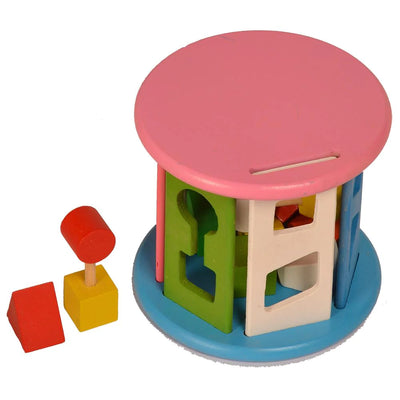
At SkilloToys, we understand the unique needs of Indian parents seeking high-quality, sustainable options for their children's education. Our collection of natural educational toys India features Hindi Varnamala sets crafted from responsibly sourced wood, non-toxic finishes, and materials that celebrate local Indian artistry. These resources are designed to be tactile, engaging, and culturally relevant, making learning a joyful experience.
Our commitment extends beyond just materials; we aim to support holistic child development. By offering thoughtfully designed Montessori materials, we provide tools that help children grasp the intricacies of Hindi sounds and scripts naturally. This aligns with the growing trend of Indian brands making thoughtful, sustainable toys, as noted by The Better India, ensuring both quality and ethical production.
Conscious Parenting & Hindi Language Development
Conscious parenting language development goes hand-in-hand with choosing sustainable materials. Research indicates that early exposure to a mother tongue significantly enhances cognitive flexibility, problem-solving skills, and cultural identity. For Indian children, learning Hindi is not just about communication; it's about connecting with heritage, stories from grandparents, and the vibrant tapestry of Indian festivals.
By intentionally selecting sustainable Hindi Varnamala materials, parents reinforce a message of care—care for their child's learning, their health, and the planet. This mindful approach fosters a deeper connection to language and learning, encouraging children to explore the beauty of Hindi script and pronunciation in a nurturing environment. It's about building a legacy of both language and environmental responsibility.
- Selecting sustainable Hindi Varnamala materials protects children from harmful chemicals found in many conventional toys.
- Natural, tactile learning materials enhance sensory engagement, improving concentration and memory for language acquisition.
- Opting for eco-friendly products teaches children essential values of environmental responsibility and conscious consumption.
- Montessori principles advocate for natural, aesthetically pleasing materials to support deep, child-led learning experiences.
- Early exposure to the Hindi Varnamala through sustainable means strengthens linguistic foundations and cultural identity in Indian children.
- Durable, well-crafted sustainable toys reduce waste and can be passed down, embodying a circular economy approach for families.
What makes Hindi Varnamala materials sustainable?
Sustainable Hindi Varnamala materials are crafted from natural, renewable, non-toxic, and often recycled resources like wood, bamboo, organic cotton, or plant-based dyes. They are designed for durability, reducing waste, and ensuring safety for children and the environment.
At what age should children start learning Hindi Varnamala?
Children can begin to explore Hindi Varnamala sounds and shapes through sensory materials as early as 18-24 months, aligning with Montessori principles of sensitive periods for language. Formal letter recognition often begins around 3-4 years, guided by their individual interest and readiness.
Are eco-friendly Hindi learning materials more expensive?
While initial investment for high-quality, eco-friendly Hindi learning materials might sometimes be slightly higher, their durability and longevity often make them more cost-effective in the long run. Many sustainable options are also DIY-friendly or available from local artisans at reasonable prices.
How do sustainable materials benefit a child's learning experience?
Sustainable materials, typically natural and tactile, engage a child's senses more deeply, promoting better concentration and memory retention. They offer a rich sensory experience that enhances fine motor skills, focus, and a natural connection to the world around them, making learning more holistic and engaging.
Can I integrate Montessori Hindi Varnamala learning at home without formal training?
Absolutely, Indian parents can effectively integrate Montessori Hindi Varnamala learning at home by focusing on observation, preparing a stimulating environment, and providing child-led, hands-on materials. Prioritise clear, sequential presentation of materials and encourage independent exploration, drawing on SkilloToys' resources for guidance.