Homeschooling Curriculum India: Montessori & Eco-Learning
Creating an effective homeschooling curriculum India that blends Montessori principles with eco-conscious learning offers a unique path for your child's growth. This approach focuses on fostering a deep connection to nature, independence, and a lifelong love for learning, all within the comfort and cultural context of your Indian home. It moves beyond rote memorization, encouraging children to explore, discover, and develop practical life skills with a mindful approach to resources.
As environmentally aware Indian parents, you're likely already making mindful choices, from opting for washable cloth diapers, as Sonika Bhasin advocates, to choosing pre-loved baby gear, much like Coodle's mission. Extending this thoughtful approach to your child's education naturally leads to exploring how to integrate sustainable practices with a proven pedagogy like Montessori.
What is Eco-Conscious Homeschooling?
Eco-conscious homeschooling is an educational philosophy that combines home-based learning with a strong emphasis on environmental stewardship, sustainability, and a deep appreciation for the natural world. This matters because it equips children with both academic knowledge and a profound sense of responsibility towards our planet. Indian parents can implement this by integrating nature studies, sustainable practices, and mindful consumption into their daily learning routines.
It's about more than just recycling; it's about nurturing a child's innate curiosity about their environment and empowering them to be active participants in creating a more sustainable future. This approach fosters a reverence for resources, encourages creative problem-solving with what's available, and builds a sense of connection to the local ecosystem – be it a bustling urban garden or a sprawling ancestral farm.
Montessori Homeschooling India: A Foundation for Sustainability
The Montessori method, developed by Dr. Maria Montessori, aligns exceptionally well with eco-conscious principles. At its core, Montessori emphasizes respect for the child, the environment, and the learning process. Child development experts agree that a prepared environment, rich in natural materials, fosters independence and concentration, which are crucial for sustainable living.
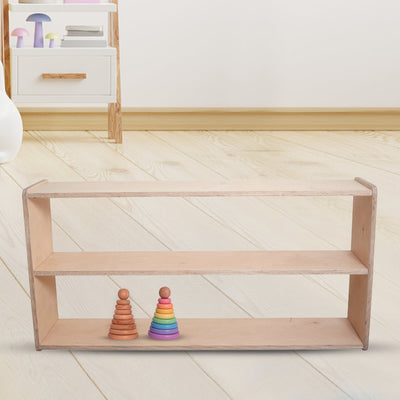
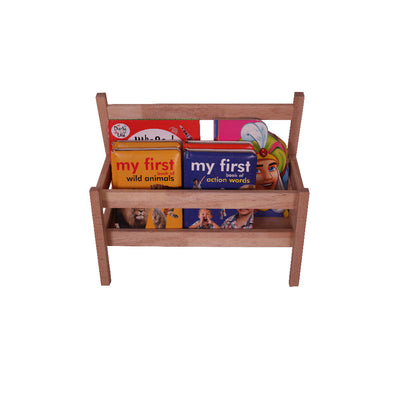
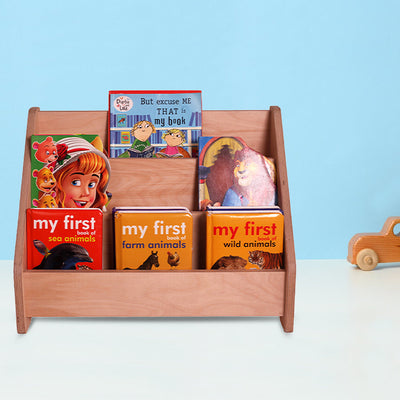
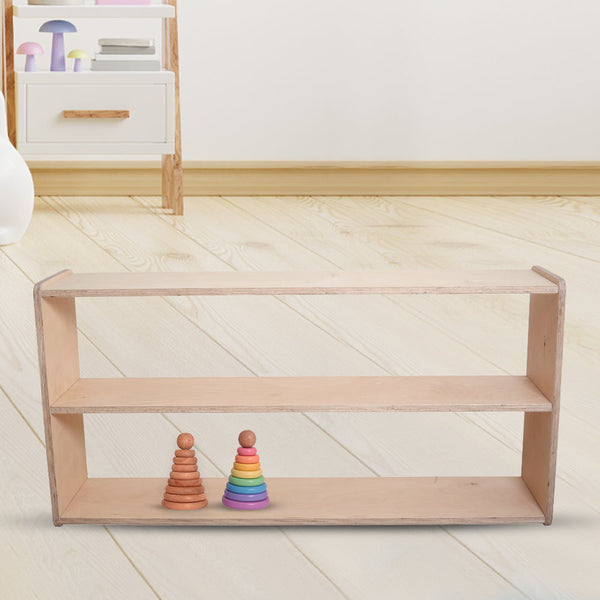
For Indian families, integrating Montessori homeschooling India means creating a 'children's house' at home where everything is child-sized and purposeful. Imagine a 4-year-old in a Bengaluru apartment diligently watering a small kitchen garden, or a 7-year-old in a joint family sorting pulses and grains for a meal – these are practical life activities that not only build fine motor skills and concentration but also connect children to where their food comes from and the effort involved in preparing it. This intrinsic motivation, rather than external pressure, is a hallmark of effective learning.
Curating Sustainable Homeschooling Resources
Building an eco-friendly learning space doesn't require expensive imports; India offers a treasure trove of natural and sustainable materials. Research shows that engaging with natural elements enhances cognitive development and reduces stress in children. Instead of plastic, consider using items like smooth river stones for counting, dried leaves for collages, or locally sourced clay for sculpting.
For your sustainable homeschooling resources, look to repurpose. Old sarees can become vibrant art backdrops, discarded cardboard boxes transform into intricate projects, and even kitchen waste can be composted as a science lesson. SkilloToys.com offers a range of activity kits and Montessori learning materials crafted from natural, non-toxic materials, perfectly aligning with this philosophy without contributing to plastic waste.
Eco-Friendly Learning at Home: Practical Steps for Indian Families
Integrating eco-friendly learning at home requires mindful observation and creative adaptation, especially within the unique dynamics of Indian households. It's about more than just academics; it's about a lifestyle.
Embrace Outdoor Exploration, Locally
Even in urban Indian settings, nature is all around us. Take children to a local park, observe birds from your balcony, or explore different plant types in your neighbourhood. Collect natural treasures like fallen leaves, twigs, and flowers for art projects or sensory bins. The simple act of observing a ant colony can teach biology, patience, and interconnectedness.
Involve Grandparents and Joint Family Wisdom
Indian joint families offer an invaluable resource for sustainable learning. Grandparents often hold traditional knowledge about gardening, home remedies, sustainable cooking practices, and storytelling that connects children to their roots and the land. Involve them in activities like teaching traditional crafts, preparing seasonal snacks, or sharing tales of their childhood experiences with nature. This intergenerational learning strengthens family bonds and cultural identity.
Mindful Consumption as a Curriculum
The lessons of sustainability are best learned through practice. Engage your child in mindful consumption discussions – why we switch off lights, save water, or choose reusable bags. For instance, a 5-year-old can help sort household waste for recycling, understanding the journey of materials. This daily engagement transforms abstract concepts into tangible actions, fostering responsible habits.
Choosing Educational Toys for Homeschooling with Purpose
When selecting educational toys for homeschooling, prioritize open-ended, durable materials that encourage creativity and multiple uses. High-quality wooden toys, for example, can be used for building, counting, storytelling, and imaginative play across various age groups, unlike single-purpose plastic alternatives.
Consider toys that allow children to explore scientific principles through play, such as magnifying glasses for nature observation, or simple tools for gardening. The goal is to provide materials that invite exploration and discovery, rather than simply entertaining. Investing in fewer, higher-quality, sustainable toys means less waste and more meaningful engagement for your child.
Ultimately, integrating Montessori with eco-conscious principles in your Indian homeschooling journey isn't just about what children learn, but how they learn to interact with the world around them. It's about empowering them to be curious, compassionate, and responsible citizens of a shared planet.