Malayalam Spelling: Sustainable Montessori Language Learning
Embracing sustainable Montessori materials offers an impactful way for Indian children to master malayalam spelling and foster a deep connection to their cultural roots. This guide provides practical steps for parents in Bengaluru and across India to integrate eco-friendly language learning into their homes, nurturing regional identity while promoting environmental consciousness. Prioritizing these resources ensures a rich linguistic foundation aligned with a mindful lifestyle.
Sustainable Montessori Malayalam language materials are eco-friendly educational tools designed to teach the Malayalam language using Montessori principles, fostering independence and a deep connection to regional culture. This approach matters because it aligns language acquisition with environmental values, ensuring a healthier planet for future generations. Indian parents can integrate these materials to empower their children with strong linguistic foundations while promoting eco-conscious living.
Why Sustainable Malayalam Language Learning Matters for Indian Children
Nurturing a child’s connection to their mother tongue, especially Malayalam, is crucial for preserving cultural heritage and enhancing cognitive development. In an increasingly globalized world, providing opportunities for malayalam language learning helps children maintain strong bonds with grandparents, participate meaningfully in festivals like Onam, and appreciate Kerala's rich literary traditions. Studies indicate that children exposed to their native tongue from an early age develop stronger cognitive flexibility and a deeper sense of cultural belonging, enriching their overall identity.
Choosing sustainable materials for this journey aligns perfectly with the growing consciousness among Indian parents for eco-friendly living. The rise of conscious consumerism, highlighted by initiatives like "The Better India" featuring sustainable toy brands, underscores a collective desire for products that are good for children and the planet. Similarly, the movement towards pre-loved baby gear, as exemplified by platforms like Coodle, reflects a broader shift towards mindful consumption. By opting for durable, natural materials, we teach our children the value of resourcefulness and responsibility from a young age.
Montessori Principles for Mastering Malayalam Spelling
Maria Montessori's philosophy emphasizes hands-on, self-directed learning, which is exceptionally effective for language acquisition, including malayalam spelling. Materials like the Sandpaper Letters, adapted for the unique script of Malayalam, allow children aged 3-6 to trace the letter shapes, engaging their tactile, visual, and auditory senses simultaneously. This multi-sensory approach concretizes abstract concepts, making complex spellings more accessible and memorable for young learners.
Following this, the Moveable Alphabet, with individual Malayalam letters, empowers children to construct words independently before they are ready to write. This process isolates the challenge of spelling from the motor skill of writing, fostering confidence and a love for the language. Creating a "prepared environment" at home with these accessible montessori malayalam materials encourages spontaneous engagement and deep concentration, turning language learning into an enjoyable discovery. Explore a range of foundational Montessori Method learning materials that can be adapted for regional languages.
Eco-Friendly Regional Language Toys: Hands-On Malayalam Immersion
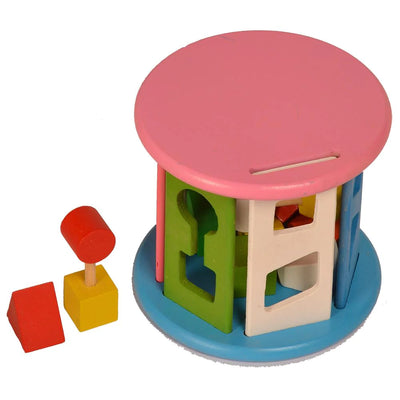
The selection of eco-friendly regional language toys plays a pivotal role in creating a truly sustainable and effective learning experience. Look for materials crafted from sustainably sourced wood, organic cotton, or recycled materials, dyed with non-toxic, natural pigments. These choices reduce environmental impact and ensure a safer play environment for children. Think about wooden Malayalam letter puzzles, cloth books with regional stories, or flashcards made from recycled paper.
Hands-on materials encourage active participation, which is superior for retention compared to passive learning. For instance, engaging with Malayalam word-building blocks or story cards not only strengthens malayalam language learning but also fosters fine motor skills and problem-solving abilities. Parents can also explore DIY projects to create personalized, sustainable learning aids, adding a unique touch to their child's educational journey. Discover a variety of engaging activity kits that can inspire your own sustainable language material creation.
Integrating Montessori Malayalam Materials into Your Indian Home
Creating a dedicated, accessible space for sustainable Indian language education is key to its success. This doesn't require a separate classroom; a small shelf or a mat in the living room, easily accessible to your child, can serve as their "work" area. Regularly rotating the montessori malayalam materials keeps the learning fresh and exciting. Involve grandparents in the process; their storytelling in Malayalam, using these materials, can create cherished learning moments and strengthen intergenerational bonds.
Consistency is more important than duration. Short, focused periods of engagement each day, perhaps 15-20 minutes, yield better results than infrequent long sessions. Observe your child's interests and readiness, introducing materials when they show curiosity. Celebrate their small victories in mastering `malayalam spelling` and reading, fostering an intrinsic motivation for continued learning. This integrated approach ensures language development becomes a natural, joyful part of family life.
- Sustainable Montessori materials are crucial for eco-conscious Malayalam language learning.
- Early exposure to Malayalam significantly enhances a child's cognitive development and cultural identity.
- Montessori's multi-sensory approach effectively teaches foundational skills like `malayalam spelling`.
- Eco-friendly regional language toys minimize environmental impact and provide safer learning.
- Adapting standard Montessori materials like Sandpaper Letters for Malayalam is highly effective.
- Creating a prepared home environment and involving family members supports consistent language acquisition.
What are sustainable Montessori Malayalam materials?
Sustainable Montessori Malayalam materials are eco-friendly educational tools designed to teach the Malayalam language using Montessori principles, emphasizing natural materials and durability. These resources help children learn effectively while promoting environmental responsibility.
How do Montessori principles aid in Malayalam language learning?
Montessori principles, such as hands-on exploration, a prepared environment, and self-correction, significantly aid Malayalam language learning by making it engaging and intuitive. Children learn foundational skills like `malayalam spelling` through tactile experiences, building a strong linguistic base.
At what age should children begin learning Malayalam spelling?
Child development experts agree that children can begin informal exposure to Malayalam sounds and letters from 18-24 months, with more structured introduction to `malayalam spelling` and reading concepts typically starting between 3 and 6 years. Early exposure fosters natural language acquisition.
Can I adapt standard Montessori materials for Malayalam?
Yes, standard Montessori materials like the Sandpaper Letters and Moveable Alphabet can be effectively adapted for Malayalam. Creating or sourcing Malayalam equivalents allows children to apply Montessori's proven methodology to learn their regional language efficiently and joyfully.
Where can Indian parents find eco-friendly Malayalam language toys?
Indian parents can find eco-friendly Malayalam language toys and `montessori malayalam materials` through dedicated educational toy stores like SkilloToys, local artisans, or by engaging in DIY projects using natural and sustainable resources. Look for products made from wood, natural fabrics, or recycled materials.