Meeta Sharma Gupta Toy Brand: Building India's Eco-Conscious Future
Meeta Sharma Gupta, a prominent eco-conscious entrepreneur, built her toy brand with a steadfast commitment to sustainability, pioneering a path for responsible manufacturing in India. Her inspiring journey reflects a growing movement among Indian parents seeking ethical and environmentally friendly options for their children's development and play.
Her work directly addresses the question of 'who is Meeta Sharma Gupta and how did she build a toy brand?' by showcasing her dedication to crafting products that not only enrich a child's learning but also protect the planet they will inherit. This commitment has positioned her brand as a significant player in India's evolving eco-conscious market.
The Rise of India's Eco-Conscious Entrepreneurship
India is witnessing a profound shift towards sustainable practices across various industries, mirroring the global trend of environmental awareness. Eco-conscious entrepreneurs in India are emerging as torchbearers, responding to a growing demand from consumers, particularly parents, who are increasingly mindful about their purchasing choices.
This awakening is evident in campaigns like Himalaya BabyCare’s film reimagining a greener future, highlighting a collective desire for sustainability. Research shows that over 60% of Indian consumers are willing to pay more for sustainable brands, indicating a strong market signal for ethical businesses.
The journey of building a brand that prioritizes both profit and planetary well-being is challenging yet incredibly rewarding. Entrepreneurs like Meeta Sharma Gupta are navigating complex supply chains and fostering local economies, proving that sustainable business models are viable and necessary in the Indian context.
A sustainable toy brand in India prioritises environmental and social responsibility throughout its lifecycle, from material sourcing to production and packaging. This matters because it reduces ecological footprint and promotes safe, non-toxic play for children. Indian parents can identify such brands by looking for natural materials, ethical labor practices, and transparent manufacturing processes.
Meeta Sharma Gupta's Vision: Redefining Indian Toy Industry Sustainability
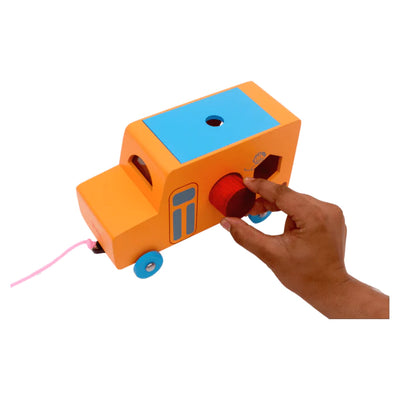
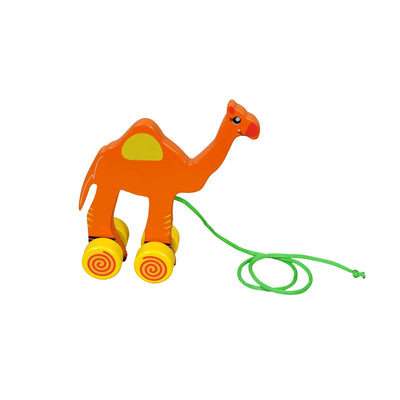
Meeta Sharma Gupta’s approach to the Indian toy industry sustainability is rooted in a deep understanding of local resources and craftsmanship. Her vision champions the use of natural, renewable materials like ethically sourced wood, organic cotton, and non-toxic dyes, moving away from plastic-heavy alternatives that dominate many markets.
Studies indicate that plastic toys can take hundreds of years to decompose, contributing significantly to landfill waste. By contrast, brands like Meeta's focus on durable, biodegradable options that offer longevity and safety. This commitment resonates with SkilloToys' mission to provide high-quality, safe, and educational toys that stand the test of time and foster genuine learning experiences.
Her efforts have not only created valuable products but have also inspired a segment of the Indian toy industry sustainability movement. She has demonstrated that local production, coupled with global environmental standards, can yield toys that are both culturally relevant and ecologically sound, offering a viable alternative for mindful Indian families.
Montessori Principles Meet Sustainable Play in India
The philosophy of Maria Montessori naturally aligns with the principles of sustainable toy brands in India. Montessori education emphasizes learning through natural, tactile materials that are designed to be self-correcting and engaging, promoting concentration and independent discovery.
Educational toys made from natural materials – such as wooden blocks, sandpaper letters, or a pink tower – offer sensory richness that plastic cannot replicate. Child development experts agree that toys crafted from natural elements provide a more profound and multi-sensory learning experience, essential for children aged 18-24 months and beyond.
Sustainable toys are often open-ended, encouraging creativity and critical thinking, which are core tenets of the Montessori method. These durable, thoughtfully designed items contrast sharply with fleeting, single-use plastic toys, ensuring that investments in your child's learning are both enriching and environmentally responsible. Explore our range of Montessori learning materials that embody these values.
Empowering Indian Parents: Making Mindful Choices
For environmentally aware Indian parents, making mindful choices means looking beyond immediate appeal to the long-term impact of a toy. This involves considering the materials, the manufacturing process, and the toy's overall lifecycle, ensuring it contributes positively to their child's development and the environment.
When selecting toys, consider options that encourage hands-on exploration and skill-building. For instance, our engaging activity kits offer children opportunities to learn and create using sustainable materials, fostering a deeper connection to their environment. Involving grandparents in these discussions can also help them understand the benefits of quality, sustainable play over quantity, particularly within the context of Indian joint families.
Prioritizing durable, open-ended toys over disposable ones not only reduces waste but also provides better value and promotes imaginative play. By consciously supporting brands like Meeta Sharma Gupta’s and those that adhere to similar ethical standards, Indian parents are actively shaping a more sustainable future for the next generation.
- Meeta Sharma Gupta is a pioneering eco-conscious entrepreneur building a sustainable toy brand in India.
- Her brand exemplifies the growing trend of eco-conscious entrepreneurship within the Indian market.
- Sustainable toy brands prioritize natural materials, ethical production, and minimal environmental impact.
- Montessori principles strongly align with sustainable toys, promoting natural, durable materials for purposeful play.
- Indian parents are increasingly seeking and supporting eco-friendly options for their children's toys.
- Choosing sustainable toys contributes to a child's holistic development and a healthier planet.
Who is Meeta Sharma Gupta and what makes her toy brand significant?
Meeta Sharma Gupta is a visionary eco-conscious entrepreneur who built a pioneering toy brand in India centered on sustainability. Her brand is significant for its commitment to natural materials, ethical production, and promoting environmentally responsible play for Indian children.
Why are sustainable toys important for Indian children?
Sustainable toys offer Indian children safer, non-toxic play experiences, free from harmful chemicals often found in plastic alternatives. They also instill environmental values from a young age, aligning with a future where mindful consumption is crucial for our planet.
How do Montessori principles relate to sustainable toys?
Montessori principles strongly advocate for natural, durable materials that engage a child's senses and support purposeful play. Sustainable toys, crafted from wood, cotton, or metal, inherently align with this philosophy by offering quality, longevity, and a reduced environmental footprint, fostering deeper learning.
What should Indian parents look for in an eco-conscious toy brand?
Indian parents should look for brands that prioritize transparent sourcing, use natural and non-toxic materials, and have clear ethical labor practices. Certifications, durable designs, and minimal, recyclable packaging are also strong indicators of a truly eco-conscious toy brand.
Are sustainable toys generally more expensive for Indian families?
While the initial cost of sustainable toys might sometimes be higher, their superior durability and timeless design mean they last longer and can be passed down, offering better long-term value. This reduces the need for frequent replacements, proving more economical and environmentally friendly in the long run for Indian families.