Montessori for Autism India: Sustainable Home Nurturing
Integrating sustainable Montessori principles for autism India presents a powerful, child-centric approach for nurturing neurodivergent children within the comfort of their homes. This method provides a structured, supportive environment that fosters independence and cognitive growth, directly addressing the growing need for effective, sustainable care models as highlighted by recent discussions on autism care in India.
As environmentally aware Indian parents, making mindful choices for your child's development extends beyond diet and daily routines to the very environment they learn and thrive in. Montessori, with its focus on a 'prepared environment' and individualized learning, naturally complements an eco-conscious lifestyle, offering a harmonious path for families.
What is Montessori for Autism, and Why is it Essential in India?
Montessori for autism is an educational approach that adapts Dr. Maria Montessori's child-led principles to meet the unique learning styles of children on the autism spectrum. This matters because its emphasis on order, hands-on learning, and self-correction creates a predictable, engaging environment that reduces anxiety and promotes focused skill development. Indian parents can effectively implement this by creating designated, clutter-free spaces for learning and practical life activities at home.
Research shows that children with autism often thrive in structured environments with clear expectations and opportunities for repetition. The Montessori method naturally provides this, allowing children to work at their own pace, choose activities that interest them, and develop concentration. In India, where access to specialized care can vary, home-based Montessori applications offer a vital resource for consistent, high-quality early intervention.
Integrating Sustainability: Eco-Friendly Choices for Indian Homes with Autism
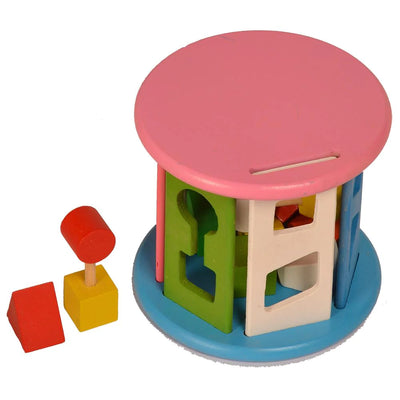
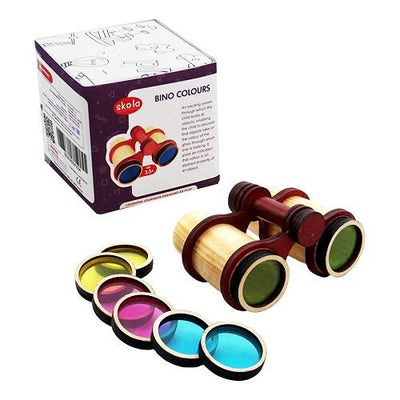
Choosing sustainable autism resources India means prioritizing natural, non-toxic, and durable materials that are safe for your child and kind to the planet. This aligns perfectly with the Montessori philosophy, which advocates for beautiful, purposeful, and long-lasting materials made from natural wood, metal, and fabric. This approach minimises sensory overload often associated with bright, plastic toys.
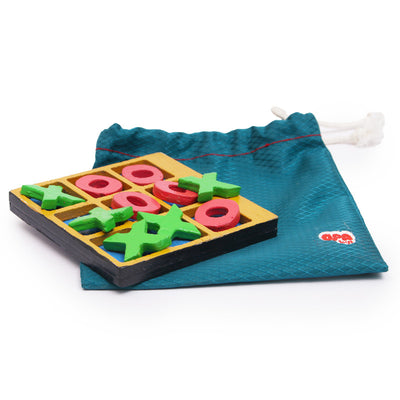
Creating an eco-friendly environment goes beyond just materials; it encompasses reducing waste, conserving resources, and embracing a simpler, more mindful lifestyle. As highlighted by the 'Coodle' initiative for pre-loved baby gear, the move towards sustainable choices is gaining traction among Indian parents. Opting for locally sourced, handcrafted wooden toys or timeless Montessori materials from our `https://skillotoys.com/collections/montessori-method-learning-materials-toys` collection reduces your carbon footprint and provides a calming aesthetic that benefits children with autism.
Creating a Prepared Environment: Practical Steps for Indian Families
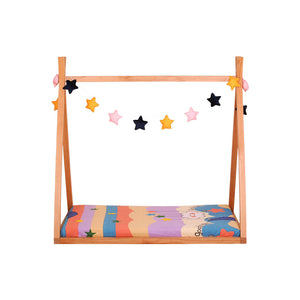
Effective autism care at home India hinges on creating a 'prepared environment' – an organised, inviting space that supports your child's independence and learning. This means decluttering, ensuring materials are accessible, and establishing clear routines. For joint families, this might involve designating a quiet corner or a specific room for Montessori activities, respecting the family's shared spaces while providing the child with a sense of personal order.
Studies indicate that a predictable routine and a well-organised physical space can significantly reduce anxiety and enhance focus in children with autism. Incorporate simple, practical life activities into daily Indian routines, such as helping with food preparation (like peeling vegetables for a curry), sweeping, or watering plants. Our `https://skillotoys.com/collections/activity-kits` offer engaging, hands-on ways to build these essential skills.
Specific Montessori materials like the 'Pink Tower' or 'Sandpaper Letters' provide concrete, self-correcting experiences that help develop fine motor skills, visual discrimination, and early literacy. Placing these materials on low shelves, easily accessible to the child, empowers them to choose their work and learn through exploration.
Fostering Independence and Sensory Harmony through Inclusive Montessori India
The Montessori method is inherently inclusive, focusing on meeting each child's individual needs and capabilities. For children with autism, fostering independence through practical life skills is paramount. Activities like dressing themselves, pouring water, or buttoning shirts build confidence and self-efficacy, crucial for their development.
Sensory harmony is another cornerstone. Children with autism often have unique sensory processing needs. A Montessori home can provide rich, natural sensory experiences – the feel of different fabrics, the smell of fresh herbs from the garden, the sound of traditional music played softly. Conversely, it can also minimise overwhelming stimuli by keeping spaces calm and free from excessive noise or visual clutter. Child development experts agree that a balanced sensory diet is vital for self-regulation and learning.
The Role of Family and Community in Special Needs Montessori India
In the Indian context, the strength of the joint family system can be a profound asset for special needs Montessori India. Grandparents, aunts, uncles, and siblings can all play a role in supporting the child's learning and development. This collective involvement not only provides diverse interactions for the child but also reinforces the principles of respect and empathy within the family unit.
Celebrating small achievements, adapting festivals to be sensory-friendly, and involving the child in family rituals in a structured way can integrate them more fully into home life. Connecting with local parent communities or support groups can also provide valuable insights, shared experiences, and a sense of belonging, fostering a supportive ecosystem around the child with autism.
- Montessori principles, adapted for autism, offer a structured and individualized learning approach crucial for Indian homes.
- Choosing sustainable, eco-friendly Montessori materials provides a calming, non-toxic environment beneficial for sensory regulation.
- Creating a 'prepared environment' with clear routines and accessible materials is vital for reducing anxiety and promoting independence.
- Practical life activities integrated into daily Indian routines enhance fine motor skills and self-care in children with autism.
- The Indian joint family system can be a strong support network, involving all members in fostering a child's inclusive Montessori journey.
- Authoritative sources agree that predictable routines and structured learning aid concentration and development for children on the autism spectrum.
Can Montessori principles truly benefit children with autism?
Yes, research indicates Montessori principles are highly beneficial for children with autism. The structured environment, hands-on materials, and emphasis on individualized learning cater well to their needs for order, routine, and sensory engagement, fostering independence and concentration.
What makes a Montessori environment 'sustainable' for a child with autism?
A sustainable Montessori environment for a child with autism prioritizes natural, non-toxic, durable materials that can be reused or recycled. It also involves creating an organized space that minimizes sensory overload, reduces waste, and encourages a connection with nature, promoting long-term well-being and eco-consciousness.
How can Indian joint families integrate Montessori for autism effectively?
Indian joint families can integrate Montessori for autism by designating specific, calm areas for focused work while also involving all family members in practical life activities. Clear communication about routines and a collective commitment to the child's independent development are crucial, ensuring consistent support across generations.
Are specific Montessori materials beneficial for children with autism?
Specific Montessori materials are indeed beneficial for children with autism due to their self-correcting nature and clear learning objectives. Materials like the Pink Tower for visual discrimination, Sandpaper Letters for tactile learning, and practical life activityKits enhance fine motor skills, concentration, and sensory integration.
Where can Indian parents find support and resources for sustainable autism care?
Indian parents can find support and resources for sustainable autism care through online communities, local parent groups, and reputable educational toy stores like SkilloToys. Seeking guidance from child development experts and therapists who understand inclusive Montessori principles is also highly recommended.