Purposeful Family Escapes India: Montessori Summer Learning
Purposeful family escapes India offer transformative opportunities for children to learn and grow, extending Montessori principles beyond the classroom into real-world experiences. Research shows that immersive, hands-on travel experiences significantly enhance cognitive development and cultural understanding in young learners. Indian parents can integrate Montessori philosophy into their summer breaks by choosing destinations that encourage observation, practical life skills, and deep cultural immersion, fostering independence and a love for learning.
This summer, as highlighted by articles like 'Holidays with a Heartbeat: 4 Purposeful Family Escapes Across India for This Summer Break', the emphasis is shifting towards travel that offers more than just leisure. For environmentally aware Indian parents, aligning travel with educational values and sustainability is paramount. It’s about creating meaningful summer breaks for kids that leave a lasting positive impact, echoing the mindful parenting principles you already embody.
What Defines a Purposeful Family Escape?
Purposeful family escapes are intentional travel experiences designed to foster learning, personal growth, and connection through active engagement with new environments and communities. This matters because such experiences move beyond passive tourism, cultivating a child's natural curiosity and empathy while reinforcing practical life skills. Indian parents can plan these escapes by prioritizing educational value, cultural immersion, and opportunities for service.
Embracing Sustainable Educational Travel India
Choosing sustainable educational travel India means selecting destinations and accommodations that minimise environmental impact and support local communities. This approach aligns perfectly with Montessori's emphasis on respect for the environment and understanding our place within the natural world. Look for eco-friendly resorts, homestays in local villages, or initiatives that promote responsible tourism.
Studies indicate that children engaged in nature-based learning develop stronger problem-solving skills and a greater sense of environmental stewardship. In India, this could mean exploring the biodiverse Western Ghats, learning about marine life along the Konkan coast, or understanding responsible farming practices in a rural village. These experiences teach children the practical life skills of resource conservation, waste management, and respecting local ecosystems, extending their classroom learning into tangible action.
Meaningful Summer Breaks for Kids: Montessori in Nature's Classroom
Nature itself is the ultimate Montessori classroom, offering endless opportunities for observation and discovery. During your summer travels, encourage your child to engage with the natural world around them. For younger children, like those aged 18-24 months, a simple nature walk becomes an exercise in sensory exploration – touching different leaves, feeling the texture of bark, or listening to bird calls.
For preschoolers (3-6 years), these experiences can be deepened. Provide them with a magnifying glass for closer observation, encourage them to sketch what they see, or collect natural 'treasures' like pebbles and flowers for sorting and classification back at your stay. Montessori-inspired activity kits focusing on nature themes can be a wonderful companion, preparing children for these explorations or helping them process their discoveries. These hands-on interactions foster a deep connection to nature, a cornerstone of Montessori education.
Cultural Immersion: Montessori Travel Activities for Deeper Understanding
Montessori education, as envisioned by Maria Montessori, places significant value on cultural studies, fostering an understanding and appreciation of diverse traditions. Integrating Montessori travel activities into your Indian summer escape allows children to truly immerse themselves in India's rich tapestry of cultures. This could involve visiting ancient temples in Karnataka, participating in a local craft workshop in Rajasthan, or simply observing the vibrant street life in a bustling city.
Encourage your children to interact respectfully with locals, learn a few phrases in the regional language, or try their hand at preparing a local dish. Practical life skills come alive when children help grandparents prepare traditional snacks in an ancestral village or learn about textile weaving from local artisans. These experiences move beyond textbooks, offering a firsthand understanding of different ways of life and fostering empathy for others.
Family Volunteer Holidays India: Cultivating Empathy and Service
For families seeking an even deeper layer of purpose, considering family volunteer holidays India can be profoundly impactful. This doesn't necessarily mean rigorous labour; it could involve simple acts of community service. Imagine spending a few days with your children helping with a beach clean-up, assisting at a local animal shelter, or participating in a tree-planting drive in a community park.
Child development experts agree that early exposure to community service fosters empathy and a sense of social responsibility in children. These experiences teach children about 'Grace and Courtesy' in a broader societal context, showing them the importance of contributing to the well-being of others and the interconnectedness of our world. Such holidays reinforce the Montessori principle of contributing positively to one's environment and community.
Packing Smart: Educational Toys for On-the-Go Learning
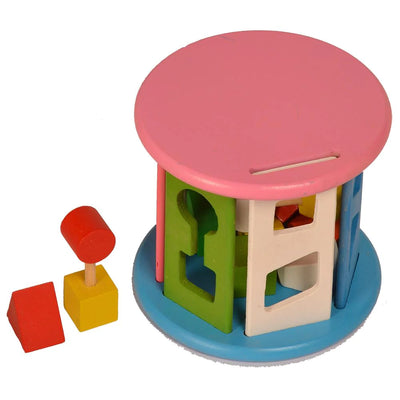
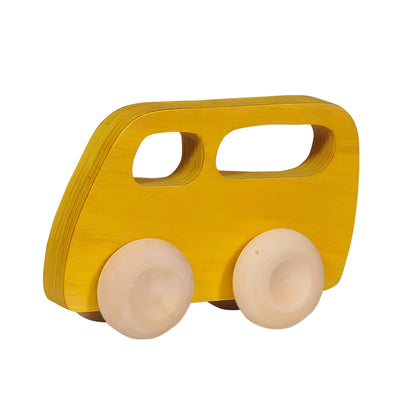
Even with all the enriching outdoor experiences, there will be travel time – long car rides, train journeys to visit joint families, or quiet evenings. This is where a carefully curated selection of educational toys can make a difference. Choose compact, open-ended Montessori-inspired materials that encourage independent play and problem-solving. Items like small wooden puzzles, lacing beads, or building blocks can keep children engaged without overwhelming your luggage.
These toys support fine motor skills and concentration, providing a familiar anchor for children in new environments. Consider exploring the wide range of Montessori Method Learning Materials & Toys available at SkilloToys that are perfect for travel, ensuring continuous learning and engagement no matter where your purposeful family escape takes you this summer.
Key Takeaways
- Purposeful family escapes integrate Montessori principles for deeper learning and holistic child development.
- Research shows immersive travel significantly enhances children's cognitive development and cultural understanding.
- Montessori-aligned travel fosters independence, observation skills, and practical life engagement in new environments.
- Engaging in sustainable educational travel nurtures environmental stewardship and respect for local communities from a young age.
- Family volunteer holidays build essential empathy and a sense of social responsibility in children through active contribution.
- Selecting destinations that offer rich cultural immersion is crucial for a child's comprehensive social and emotional growth.
What makes a family escape "purposeful"?
A purposeful family escape is designed with intentional learning and growth objectives, moving beyond simple relaxation to foster curiosity, practical skills, and cultural understanding through active engagement. It focuses on enriching experiences that align with a family's values and promotes active participation from every family member.
How can Montessori principles be applied during travel?
Montessori principles in travel involve encouraging observation of new environments, engaging in practical life activities like packing or preparing food, and fostering independence by allowing children to make choices and contribute to the journey. Sensory exploration of new sights, sounds, and textures is also key, transforming travel into a dynamic learning environment.
What are some age-appropriate Montessori travel activities for young children?
For toddlers (18-36 months), simple activities include nature walks to collect leaves, sorting pebbles, or helping with small tasks like carrying a light bag. For preschoolers (3-6 years), encourage drawing observations, engaging in local crafts, or learning basic phrases in a new language, making learning fun and experiential.
Are family volunteer holidays suitable for all ages?
Family volunteer holidays can be adapted for various ages, though projects requiring complex tasks are better for older children. Many organisations offer child-friendly activities like planting trees, cleaning beaches, or interacting with local communities under supervision, making them suitable for elementary school children and up while fostering a sense of contribution.
How do purposeful escapes benefit a child's overall development?
Purposeful escapes significantly benefit a child's development by boosting their independence, problem-solving skills, and adaptability. They also cultivate a deeper understanding of diverse cultures, foster empathy, and reinforce practical life skills, all contributing to a well-rounded and globally aware individual prepared for life's challenges.