PyaraBaby Sustainable Parenthood: Second Life for Baby Gear
PyaraBaby sustainable parenthood initiatives are setting a significant benchmark in India by demonstrating how pre-loved baby products can find new homes and purpose, directly supporting eco-conscious parenting. This innovative approach offers Indian families a practical pathway to reduce waste, save resources, and make mindful choices for their children's future, especially for essential items and educational toys. Embracing this concept allows parents to significantly extend the lifecycle of children's goods, fostering a truly sustainable lifestyle for their growing families.
Embracing a second life for baby products and educational toys involves responsibly reusing, repurposing, or gifting items after their initial use. This matters because it significantly reduces landfill waste, conserves natural resources, and makes quality products accessible to more families. Indian parents can actively participate by opting for pre-loved items, maintaining them well, and engaging in circular economy practices for their children's needs.
PyaraBaby's Vision: Pioneering Sustainable Baby Products in India
The emergence of platforms like PyaraBaby signifies a crucial shift in the Indian market towards a more sustainable model for children's goods. This initiative directly addresses the short-term utility of many baby products, offering a structured way for items, from strollers to cribs, to be professionally cleaned, refurbished, and resold. Research shows that this model not only prevents valuable resources from ending up in landfills but also makes high-quality baby essentials more accessible to a wider demographic of Indian families, fostering a circular economy.
This approach aligns perfectly with the deep-rooted Indian values of resourcefulness and frugality, where hand-me-downs have always been a part of our culture. PyaraBaby elevates this tradition by adding professional standards of hygiene and safety, ensuring that parents can confidently choose pre-loved items. It's a testament to how innovative brands are shaping the future of sustainable baby products India, encouraging thoughtful consumption and responsible disposal practices among parents in cities like Bengaluru and beyond.
Giving Baby Products a Second Life India: Beyond Just Hand-Me-Downs
While the concept of hand-me-downs is cherished in Indian joint families, giving baby products a second life India, as exemplified by PyaraBaby, introduces a new level of professionalism and reach. This isn't just about passing items within relatives; it's about a broader system that connects families who have outgrown items with those who need them, often across different communities. This systemic approach helps manage the constant influx of baby gear that accumulates from infancy through early childhood.
Beyond larger items, this philosophy extends beautifully to educational toys. A toddler's sorting blocks might become a preschooler's building challenge, or an infant's sensory kit can be adapted for a child with specific developmental needs. Maintaining toys well, ensuring they are clean and intact, allows them to be passed on, fostering continuous learning and play. For instance, well-maintained activity kits can offer extended engagement, moving from one child to another seamlessly.
Child development experts agree that durable, high-quality educational materials, like those inspired by Montessori principles, retain their value and utility across many years and users. Studies indicate that reusing products effectively reduces the environmental footprint associated with manufacturing new goods by up to 70% in some categories, making this a powerful choice for eco-conscious parents.
The Role of Eco-Conscious Parenting India in a Circular Economy
Embracing eco-conscious parenting India means making deliberate choices that benefit both your child and the planet. This involves everything from opting for cloth diapers to choosing sustainable fashion and, significantly, participating in the circular economy for baby products and toys. By extending the life of items, parents actively contribute to reducing waste and conserving vital resources, setting a powerful example for their children.
This mindful approach doesn't just benefit the environment; it also offers significant financial advantages to families, especially in a country where economic pressures are a reality for many. By choosing pre-loved or responsibly sourced items, families can allocate resources to other essential areas, such as quality education or enriching experiences. It's about smart consumption, ensuring that every purchase has a longer purpose and less impact on Mother Earth, reflecting a truly responsible lifestyle for future generations.
Repurposing Educational Toys: Creative Ways to Extend Play
Montessori educational toys, known for their durability and timeless appeal, are inherently designed for long-term engagement, making them ideal candidates for repurposing and extended use. Dr. Maria Montessori emphasized materials that facilitate self-directed learning and adapt to a child's developmental stage. A pink tower, initially for spatial reasoning at 18-24 months, can later be integrated into imaginative play or used for mathematical concepts by an older child.
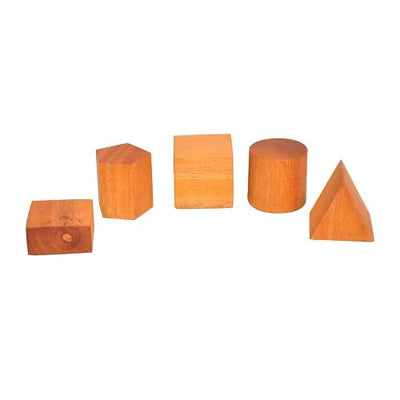
Consider a child's first set of sandpaper letters; once they master phonetic sounds, these can be used for spelling games or even tactile art projects. Wooden blocks or stacking materials, available in our main collection, can transition from simple stacking to complex architectural builds, or even serve as props in storytelling. This creativity in repurposing not only extends the life of the toy but also encourages children to think innovatively about their playthings, fostering problem-solving skills and imagination.
Authoritative sources in early childhood education confirm that open-ended toys, like those found in Montessori pedagogy, inherently encourage diverse uses over time, making them a wise, sustainable investment. Instead of discarding, Indian parents can find novel ways to integrate these materials into new learning contexts, ensuring they continue to inspire and educate for years, possibly even for younger siblings or other children in the community.
Key Takeaways
- PyaraBaby’s model exemplifies how sustainable parenthood in India effectively extends the life of baby products, fostering a circular economy.
- Giving baby products a second life, beyond traditional hand-me-downs, reduces waste and enhances accessibility for more Indian families.
- Eco-conscious parenting choices in India lead to significant environmental benefits, including reduced carbon footprint and resource conservation.
- Repurposing educational toys, particularly Montessori materials, encourages innovative play and supports prolonged developmental learning.
- Studies show that reusing baby products can significantly reduce the environmental impact of new manufacturing, promoting a greener future.
- High-quality, durable educational toys, like those based on Montessori principles, are a sustainable investment due to their adaptability and long-term utility.
What is PyaraBaby's primary contribution to sustainable parenting?
PyaraBaby primarily contributes to sustainable parenthood by creating a structured platform for refurbishing and rehoming pre-loved baby products in India. This initiative ensures items like strollers and cribs get a valuable second life, significantly reducing waste and promoting responsible consumption among Indian families.
How does giving baby products a second life benefit Indian families?
Giving baby products a second life benefits Indian families by making high-quality, often expensive, baby essentials more affordable and accessible. It also aligns with traditional values of resourcefulness while significantly reducing household waste and promoting a more eco-conscious lifestyle for the family.
What are some practical steps for eco-conscious parenting in India?
Practical steps for eco-conscious parenting in India include choosing reusable products like cloth diapers, opting for pre-loved baby gear, investing in durable educational toys, and actively participating in platforms that facilitate product reuse. Prioritising thoughtful consumption and mindful disposal significantly reduces your family's environmental footprint.
Can Montessori educational toys truly be repurposed for long-term use?
Yes, Montessori educational toys are designed for durability and open-ended play, making them excellent candidates for long-term use and repurposing. Their foundational design allows them to adapt to different developmental stages and creative applications, extending their utility well beyond their initial intended purpose.
What considerations are important when buying or selling pre-loved baby items?
When buying or selling pre-loved baby items, it is crucial to prioritise safety, cleanliness, and functionality. Ensure items meet current safety standards, are thoroughly sanitised, and are free from damage or missing parts, particularly for items like car seats or cribs. Reputable platforms often provide quality checks for peace of mind.
How do initiatives like PyaraBaby impact the overall consumer culture in India?
Initiatives like PyaraBaby are actively shifting consumer culture in India towards a more sustainable, circular model by normalising the reuse of baby products. They educate parents on the environmental and economic benefits of pre-loved items, fostering a collective consciousness about responsible consumption and reducing landfill burden.