Sustainable Baby Products India: Decoding Johnson's New Range
Johnson's Baby's new sustainable range signifies a shift towards more environmentally conscious options in the mass market for sustainable baby products India, offering parents choices that claim reduced environmental impact and enhanced safety. This development empowers environmentally aware Indian parents to critically evaluate product claims, distinguish genuine sustainability from greenwashing, and prioritize truly eco-friendly and safe options for their families.
For eco-conscious Indian parents navigating the vast marketplace, the recent unveiling of Johnson's Baby's upgraded, sustainable range under their 'It's Pure Love' campaign is a significant moment. As our families increasingly seek purpose-driven choices, from planning 'Holidays with a Heartbeat' to embracing pre-loved gear like Coodle or PyaraBaby, the demand for transparency in new products is clearer than ever. This evolution from a leading brand prompts us to delve deeper into what 'sustainable' truly means for our little ones.
What is True Sustainability in Baby Products?
Sustainable baby products refer to items manufactured with minimal environmental impact, prioritizing safe, non-toxic ingredients, ethical sourcing, and recyclable or biodegradable packaging. This matters because children's early exposure to chemicals can impact long-term health, and responsible consumption safeguards our planet for future generations. Indian parents can empower themselves by scrutinizing labels, seeking certifications, and choosing brands committed to transparent, ethical practices.
True sustainability extends beyond a single attribute; it encompasses a product's entire lifecycle, from raw material extraction to disposal. It means considering the well-being of the planet and its people at every step, aligning with the values of many Indian joint families who prioritize legacy and responsible living for future generations.
Decoding Johnson's Baby Sustainable Range: What to Look For
The launch of a major brand like Johnson's Baby into the realm of Johnson's Baby sustainable range creates both opportunity and responsibility. For Indian parents, this means critically examining claims about their new products, especially regarding ingredients and packaging. Look for clear statements on plant-based ingredients, absence of parabens, phthalates, and sulfates, and transparency about ingredient sourcing.
Packaging is another crucial aspect. Is it made from recycled content? Is it widely recyclable in India? Studies indicate that globally, only 9% of plastic waste is recycled, underscoring the urgency for brands to adopt truly circular packaging solutions. Parents should seek out specific details rather than vague promises, ensuring the brand's commitment aligns with their family's eco-values. Always prioritize safety and verified claims for your little one.
Avoiding Greenwashing: Identifying Genuinely Eco-Friendly Baby Care India
In the burgeoning market for eco-friendly baby care India, greenwashing remains a significant concern. Greenwashing occurs when companies deceptively market products as environmentally friendly without genuine sustainable practices. This can mislead even the most discerning parents.
To avoid greenwashing, look for recognized third-party certifications such as MadeSafe, Ecocert, or COSMOS Organic, which indicate rigorous standards have been met. Transparency is key: genuinely sustainable brands provide detailed information on their sourcing, manufacturing processes, and environmental impact. When a brand uses ambiguous language or makes unsubstantiated claims, it's a red flag. Child development experts agree that reducing exposure to harmful chemicals in early life contributes significantly to long-term health, making ingredient transparency for safe baby products India non-negotiable.
Making Sustainable Parenting Choices Beyond the Cradle
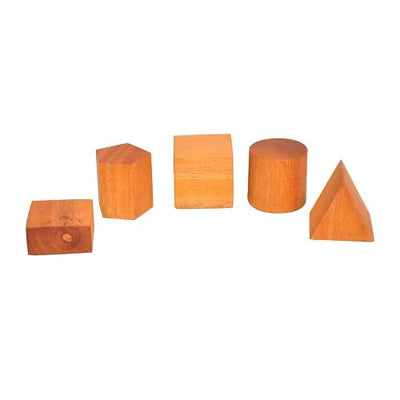
Embracing sustainable parenting choices goes beyond just the products we buy; it's a lifestyle. It's about fostering a home environment that teaches mindful consumption, values durability, and connects children to nature, much like the Montessori philosophy advocates. Instead of disposable plastic toys, consider beautiful, lasting wooden puzzles or activity kits that can be passed down through generations, just as our grandparents cherished items for their longevity.
At SkilloToys, we champion the use of natural materials in our learning materials, understanding that they offer a richer sensory experience and are better for the planet. For instance, choosing a wooden Pink Tower or sandpaper letters for an 18-24 month old child provides a tangible connection to the natural world. Building a truly sustainable household also involves reducing food waste, conserving water, and engaging in community initiatives, reflecting the collective spirit often found in Indian homes.
As Indian parents, we have the power to drive change by demanding better from brands and making conscious choices that reflect our values. Whether it's opting for a durable wooden stacking toy from our main collection or carefully selecting baby care items, every decision contributes to a healthier planet and a brighter future for our children.
- Johnson's Baby's new sustainable range prompts Indian parents to critically evaluate 'green' claims in baby products.
- True sustainability in baby products involves non-toxic ingredients, ethical sourcing, and recyclable or biodegradable packaging.
- Greenwashing is a tactic where brands deceptively market products as eco-friendly without genuine sustainable practices.
- Parents should look for third-party certifications and transparent brand information to verify sustainability claims.
- Choosing durable, natural materials for toys and embracing mindful consumption are crucial sustainable parenting choices.
- Ingredient transparency is essential for ensuring safe baby products in India and protecting children's long-term health.
How can Indian parents identify truly sustainable baby products?
Indian parents can identify truly sustainable baby products by scrutinizing ingredient lists for natural, non-toxic components, checking for credible third-party certifications like COSMOS Organic or MadeSafe, and evaluating packaging for recyclability or biodegradability. Transparency in a brand's sourcing and manufacturing processes is also a key indicator of genuine commitment.
What are common greenwashing tactics in the baby product market?
Common greenwashing tactics include using vague terms like 'eco-friendly' or 'natural' without specific certifications, employing green packaging designs without sustainable content, and highlighting minor environmental efforts while overlooking larger negative impacts. Parents should be wary of claims that lack verifiable evidence or independent audits.
Are "natural" or "organic" labels always a guarantee of sustainability?
While 'natural' or 'organic' labels often indicate better ingredient choices, they do not automatically guarantee comprehensive sustainability across a product's entire lifecycle. A product can have organic ingredients but still use unsustainable packaging or manufacturing practices. Always look for a holistic approach to sustainability from brands.
Why is ingredient transparency important for safe baby products in India?
Ingredient transparency is paramount for safe baby products in India because it allows parents to understand exactly what they are applying to their child's delicate skin and body, avoiding potential allergens or harmful chemicals. This empowers families to make informed decisions that protect their little ones from adverse reactions and long-term health risks. Research shows that exposure to certain chemicals found in conventional baby products can disrupt endocrine systems and impact neurodevelopment.
How can Montessori principles support sustainable parenting at home?
Montessori principles inherently support sustainable parenting by advocating for durable, natural, and open-ended learning materials that last for years, reducing the need for constant replacement. This philosophy encourages mindful consumption, appreciation for natural resources, and fostering independence in children through practical life skills, contributing to a more sustainable household. Choosing wooden Montessori materials, for example, minimizes plastic waste.