Sustainable Doll House for Kids: An Eco-Friendly Guide
A sustainable doll house for kids is a powerful tool for nurturing imagination and development, a definitive statement supported by extensive child development research. For Indian parents seeking mindful play, opting for an eco-friendly dollhouse provides a healthy, engaging, and environmentally responsible choice that stands the test of time and busy households.
What is a Sustainable Dollhouse?
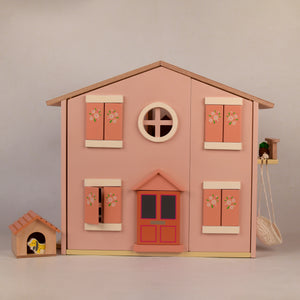
A sustainable dollhouse is crafted from environmentally responsible materials like ethically sourced wood and non-toxic finishes, designed for durability and open-ended play. This matters because it significantly reduces environmental impact while offering a safer, healthier play experience for children. Indian parents can confidently choose options that promote creativity and are built to last generations.
Why Choose a Sustainable Dollhouse for Indian Kids?
Opting for a sustainable dollhouse is more than a trend; it's a commitment to your child's well-being and the planet. Research shows that the global toy industry contributes significantly to plastic waste, making mindful choices critical. In a country where children often learn through observation and participation in vibrant family life, a dollhouse provides a miniature world for replicating and understanding their surroundings, free from harmful chemicals.
Child development experts agree that toys made from natural materials enhance sensory experience and promote deeper engagement. Unlike flimsy plastic alternatives that break easily, a durable, high-quality sustainable dollhouse withstands years of enthusiastic play, whether in a joint family setting or with visiting cousins during festivals. This durability means the dollhouse can be passed down from an older sibling to a younger one, or even through generations, becoming a cherished heirloom in Indian homes.
Furthermore, choosing a sustainable dollhouse fosters an appreciation for natural resources and teaches children about mindful consumption from a young age. As parents look for 'Ways To Keep Kids’ Enthusiasm and Curiosity Alive Indoors This Winter', a well-chosen dollhouse offers endless creative possibilities, far more enriching than passive screen time. It is a cornerstone of true eco-conscious play, aligning with values of preservation and thoughtful living.
Key Features of an Eco-Friendly Dollhouse: Beyond Just Wood
When selecting an eco-friendly dollhouse, material and design are paramount. Opt for a wooden dollhouse for kids made from FSC-certified or sustainably sourced timber, ensuring no deforestation or unethical practices are involved. Beyond the wood itself, pay attention to finishes: non-toxic, water-based paints and natural oils are essential for your child's health, protecting them from volatile organic compounds (VOCs).
The design of a truly sustainable dollhouse often leans towards simplicity and open-endedness, a core tenet of the Montessori philosophy. Such designs encourage children to use their imagination to create narratives and environments, rather than being limited by overly specific features. This aligns with the Indian cultural emphasis on resourcefulness and creativity, where children often make do with what's available and create their own fun.
Durability is a non-negotiable feature for an eco-friendly dollhouse. It is built to withstand vigorous play, ensuring it remains a valuable resource rather than quickly becoming landfill waste. Look for robust construction, securely joined pieces, and a timeless aesthetic that will appeal for years. In joint families, where toys often serve multiple children over time, such robust construction is a key indicator of a wise investment.
The Montessori Connection: Nurturing Imagination with Purpose
The principles championed by Maria Montessori find a perfect match in the concept of a Montessori dollhouse. Montessori education emphasizes learning through practical life experiences and fostering independence. A well-designed dollhouse provides a miniature world where children can reenact daily routines, experiment with social roles, and develop a sense of order and spatial awareness.
A true Montessori dollhouse is designed to be realistic, proportionate, and free from overwhelming details, allowing the child's imagination to fill in the gaps. This contrasts sharply with overly prescriptive toys that leave little room for creative interpretation. Like a Montessori 'Practical Life' activity, playing with a dollhouse involves sorting, arranging, and problem-solving, all while fostering independence, fine motor skills, and concentration, which are crucial for early childhood development.
This approach to play cultivates not just imagination but also critical thinking and emotional intelligence. Children learn empathy by placing themselves in different roles and understanding various perspectives within the miniature world they create. SkilloToys firmly believes in fostering these holistic developmental benefits through thoughtfully designed, sustainable educational toys.
Creating a Truly Indian and Sustainable Dollhouse Experience
Infusing Indian culture into your child's dollhouse play enriches the experience immensely. Parents can encourage children to decorate their dollhouse for festivals like Diwali with tiny diyas or Rangoli patterns, for Christmas with miniature trees, or for Eid with crescent moon motifs, connecting their play to family traditions. Storytelling is also key; grandparents often have wonderful tales that can inspire new narratives within the dollhouse, connecting generations and preserving heritage.
To further enhance sustainability, involve children in creating miniature furniture or accessories from recycled materials found around the house – old fabric scraps for bedding, small cardboard boxes for cupboards, or bottle caps for plates. This fosters resourcefulness and creativity, a core tenet of Indian upbringing. For engaging activities that complement dollhouse play, explore our activity kits, designed to further spark creativity and learning.
Ultimately, a sustainable dollhouse is more than just a toy; it's a miniature stage for life, learning, and cultural connection. SkilloToys offers a wide range of Montessori method learning materials that integrate seamlessly with eco-conscious play, helping parents make choices that are good for their children and the planet.
- A sustainable dollhouse for kids offers significant environmental, health, and developmental benefits for Indian children.
- Choosing wooden dollhouses made from ethically sourced, non-toxic materials is crucial for safe and eco-conscious play.
- Montessori dollhouses foster open-ended imagination, practical life skills, and a strong sense of order in young learners.
- Durable, well-crafted dollhouses become cherished heirlooms, supporting intergenerational play and mindful consumption in Indian homes.
- Integrating Indian cultural elements and DIY projects significantly enhances both the sustainability and educational value of dollhouse play.
Choosing a sustainable dollhouse for your child is a profound act of mindful parenting. It's an investment not just in a toy, but in a philosophy of respect for resources, a commitment to health, and an embrace of imaginative, purpose-driven play. Empower your child's creativity with choices that reflect a better future, right here in India.
Is a wooden dollhouse better than plastic?
Yes, a wooden dollhouse is definitively better than plastic for several reasons. Wooden dollhouses are generally more durable, made from renewable resources, and often use non-toxic finishes, providing a safer and more sustainable play experience. They also offer a superior tactile experience that stimulates sensory development.
What age is a Montessori dollhouse suitable for?
A Montessori dollhouse is typically suitable for children from 18-24 months and up, aligning with the child's developmental stages for imaginative and practical life play. Its open-ended design allows for engagement across various ages, adapting as a child's skills and interests evolve.
How can I make dollhouse play eco-friendly at home?
To make dollhouse play eco-friendly, focus on repurposing household items for miniature furniture, using natural materials for doll clothes, and opting for battery-free accessories. Encourage children to create and mend rather than constantly buying new items, fostering resourcefulness and a mindful consumption mindset.
Are sustainable dollhouses more expensive in India?
While the initial cost of a high-quality sustainable dollhouse might be slightly higher, it proves more economical in the long run. Its durability means it won't need frequent replacement, and its educational value far surpasses that of flimsy, mass-produced plastic alternatives, making it a valuable investment for Indian families.
What kind of dolls are best for a sustainable dollhouse?
For a sustainable dollhouse, dolls made from natural materials like wood, cloth, or organic cotton are ideal. These materials align with the eco-conscious ethos and often encourage more imaginative play, as they are simpler and less prescriptive than plastic dolls with elaborate features, allowing children more creative freedom.