Sustainable Educational Toy Materials & Certifications in India
Sustainable educational toy materials are natural, renewable, or recycled resources that minimize environmental impact and ensure child safety, while key certifications like FSC and GOTS verify these claims for Indian parents seeking eco-friendly options. Making informed choices about toy materials is a significant step in eco-conscious parenting, directly impacting your child's health and the planet's future.
For Indian parents navigating a myriad of choices, understanding what lies beyond a toy's label is crucial. As we collectively witness the shift towards greener living, reflected even in campaigns like Himalaya BabyCare’s recent film reimagining a greener future, the demand for truly sustainable products for our little ones is growing. This guide offers a deep dive into the materials and certifications that truly make an educational toy eco-friendly and safe.
Sustainable educational toy certifications are third-party verifications assuring materials meet strict environmental and social standards. This matters because they provide transparency and trust, helping parents avoid 'greenwashing' and ensuring genuine product claims. Indian parents can confidently select toys that genuinely support both child development and planetary well-being, fostering a mindful approach from an early age.
Decoding Sustainable Educational Toy Materials
Choosing the right sustainable educational toy materials is paramount for both child safety and environmental responsibility. Research indicates that exposure to natural materials can positively influence a child's sensory development and connection to nature. Understanding these materials empowers parents to make choices that resonate with their values.
Natural Wood: The Montessori Foundation
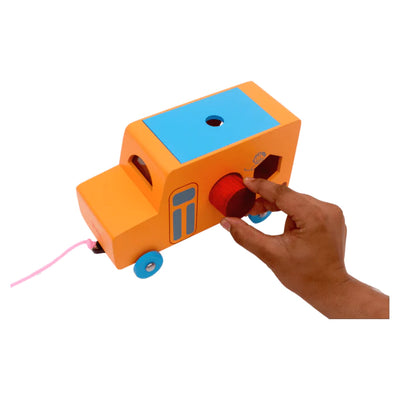
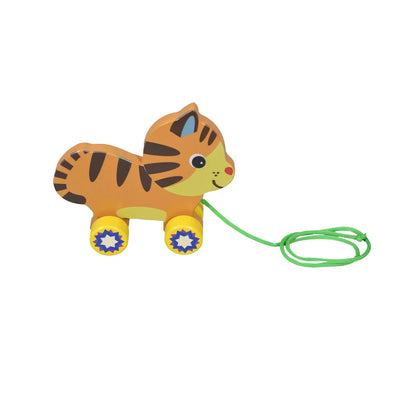
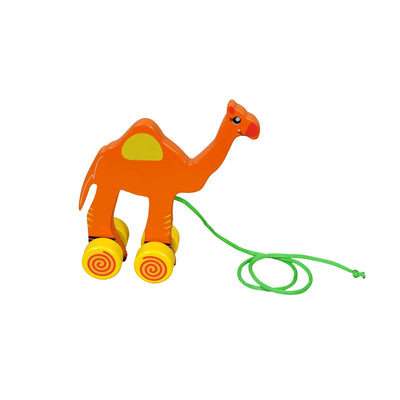
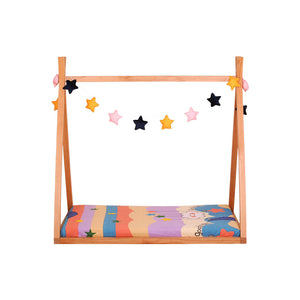
Wood is the cornerstone of many Montessori educational toys, revered for its durability, tactile warmth, and natural appeal. Opting for sustainably sourced woods like rubberwood, neem, or birch, especially those bearing the FSC certified label, ensures responsible forestry practices. These woods are naturally non-toxic, robust enough to withstand years of active play from toddlers to older children, and biodegrade gracefully at the end of their long lifespan. Unlike plastic, wood offers a unique sensory experience, grounding children in the natural world.
Organic Cotton & Natural Fabrics
For soft toys, rattles, and play mats, organic cotton stands out as a superior choice, making them truly organic toys India. GOTS (Global Organic Textile Standard) certified organic cotton is grown without harmful pesticides, synthetic fertilizers, or GMOs, protecting both farm workers and your child from chemical exposure. These fabrics are soft, breathable, and ideal for infants who explore the world through touch and taste, offering peace of mind that their snuggly companions are truly safe and non-toxic educational toys.
Bamboo: A Rapidly Renewable Resource
Bamboo is an exceptionally sustainable material due to its rapid growth, requiring minimal water and no pesticides. It's naturally antibacterial, incredibly strong yet lightweight, making it an excellent choice for various educational toys and even activityKits. Toys made from bamboo offer a smooth finish and a unique texture, encouraging tactile exploration in young children and providing a durable, eco-conscious alternative to traditional plastics.
Recycled & Plant-Based Plastics
While natural materials are preferred, innovation in plastics offers some sustainable alternatives. Recycled plastics, particularly those certified as food-grade or free from BPA and phthalates, divert waste from landfills. Plant-based plastics derived from corn starch or sugarcane offer another promising avenue, significantly reducing reliance on fossil fuels. When choosing plastic toys, verifying their safety and recycled content is crucial for non-toxic educational toys.
Natural Paints & Finishes
Even the most sustainable materials can be undermined by toxic finishes. Truly non-toxic educational toys utilize water-based, non-VOC (Volatile Organic Compound) paints, natural plant dyes, and beeswax or linseed oil finishes. These ensure that little hands exploring a colourful stacking toy or mouthing a rattle are not exposed to harmful chemicals, maintaining the integrity of the sustainable material beneath.
Essential Eco-Friendly Toy Certifications India
Certifications act as trusted third-party validators, ensuring that toy manufacturers adhere to rigorous environmental and social standards. Understanding these labels is key for eco-friendly toy certifications India, allowing parents to make truly informed decisions.
Forest Stewardship Council (FSC): Wood You Trust?
The Forest Stewardship Council (FSC) certification is the gold standard for wooden products, assuring consumers that the wood comes from responsibly managed forests. For FSC certified toys India, this means the forest management benefits the environment, local communities, and is economically viable. Studies indicate that FSC certification leads to better forest protection and social responsibility, ensuring your child’s wooden blocks or puzzles are sourced with integrity.
Global Organic Textile Standard (GOTS): For Soft, Safe Play
The GOTS certification is globally recognized for organic textiles, covering the entire supply chain from raw material harvesting to environmentally and socially responsible manufacturing. When you see GOTS on an organic toy India, it guarantees that at least 70% of the fibers are organic, and that strict ecological and toxicological criteria have been met throughout production. This ensures soft toys and fabric-based learning tools are free from harmful chemicals, making them safe for even the most sensitive skin.
BIS Standards and CE Marking: Foundation for Safety
While not strictly eco-certifications, the Bureau of Indian Standards (BIS) mark and CE Marking (for products sold in the European Economic Area, often found on toys imported into India) are fundamental for Montessori toy safety. These certifications ensure toys meet essential health, safety, and environmental protection requirements, including limits on certain chemicals. Always check for these baseline safety marks in addition to sustainability labels for comprehensive peace of mind.
Why Material Choice Matters for Indian Families
The decision to choose sustainable educational toys resonates deeply with the values of many Indian families, extending beyond individual health to community well-being and environmental stewardship. Just as The Better India recently highlighted ways to keep kids engaged indoors this winter, selecting toys made from natural, sustainable materials can significantly enhance their learning environment and curiosity. These choices echo the broader national sentiment of environmental consciousness and a desire to build a greener future.
Choosing sustainable educational toy materials means reducing your child's exposure to potentially harmful chemicals often found in conventional plastics and paints. This is particularly vital in bustling Indian homes where indoor air quality can be a concern. Child development experts agree that toys made from natural materials like wood and cotton offer a rich, multi-sensory experience that plastic often cannot replicate, fostering deeper engagement and learning for children across all age ranges, from 18-24 months exploring their first sensory bins to older children engaging with complex activityKits.
Furthermore, these choices set a powerful example for the next generation. By consciously opting for toys that respect the planet, parents impart valuable lessons about responsibility and mindful consumption. This aligns with traditional Indian values of living in harmony with nature and creating a better legacy for future generations, much like the aspiration for a greener future championed by various initiatives.
Making Mindful Choices: A Guide for Parents
Navigating the world of educational toys can feel overwhelming, but armed with knowledge, Indian parents can make choices that truly reflect their values. Look beyond marketing claims and actively seek out details on material sourcing and certifications.
When shopping, ask questions: Is this wood FSC certified? Is the fabric organic? Are the paints non-toxic? Examine the labels carefully for certifications like FSC and GOTS, especially for wooden items like the Pink Tower or fabric-based Sandpaper Letters. Prioritize durability and open-ended play, as a long-lasting toy is inherently more sustainable. Remember, a toy that supports holistic development and is kind to the planet is a true investment in your child’s future.
- Choosing sustainable educational toy materials like FSC-certified wood and GOTS-certified organic cotton significantly reduces a child's exposure to harmful chemicals.
- Verifying eco-friendly toy certifications in India ensures product claims are backed by rigorous third-party standards, combating 'greenwashing'.
- Montessori toy safety principles prioritize natural, non-toxic materials, aligning perfectly with sustainable parenting values and promoting sensory development.
- The longevity and biodegradability of natural materials like bamboo and solid wood make them superior long-term investments for children's learning and environmental health.
- Beyond labels, parental awareness of non-toxic educational toys contributes to a healthier indoor environment for Indian families and instills values of conscious consumption.
- Opting for certified sustainable materials supports ethical supply chains and responsible resource management, impacting communities and ecosystems globally.