Sustainable Educational Toys: A Guide for Indian Parents
Choosing sustainable educational toys involves scrutinizing materials, manufacturing processes, certifications, and the overall lifecycle of a product. For Indian parents, identifying truly eco-friendly options means looking for natural, non-toxic, and ethically produced items that support holistic child development, setting a foundation for a greener future. Research shows that making conscious choices for playthings significantly impacts both a child's well-being and the planet.
Sustainable educational toys are playthings designed to foster a child's learning and development while minimizing environmental impact and promoting social responsibility throughout their production and lifecycle. This matters because conscious consumption reduces our ecological footprint and models responsible values for children. Indian parents can actively seek out brands committed to these principles, much like the broader societal shift towards sustainability highlighted by initiatives like Himalaya BabyCare's focus on a greener future.
Understanding What Makes Toys Truly Sustainable
True sustainability in educational toys extends beyond just being made from natural materials. It encompasses the entire journey of a toy, from the responsible sourcing of raw materials to its manufacturing process, packaging, transportation, and eventual end-of-life disposal. A truly sustainable toy is one that minimizes harm at every stage.
For Indian families, this holistic view is crucial. It means considering whether the toy supports local artisans, reduces carbon emissions, and is durable enough to be passed down through generations, perhaps from an elder sibling to a younger one, a common practice in many joint families.
Eco-Friendly Educational Toys India: Key Materials to Look For
When selecting playthings for your child, the materials used are the first indicator of a toy's eco-friendliness. Focusing on natural, renewable resources is paramount for eco-friendly educational toys in India, ensuring a safer play environment and reduced environmental impact.
Child development experts agree that exposure to varied, natural textures enhances sensory development in young children. Look for materials like sustainably harvested wood, organic cotton, natural rubber, and even recycled plastics when ethically processed.
Wooden Educational Toys Benefits
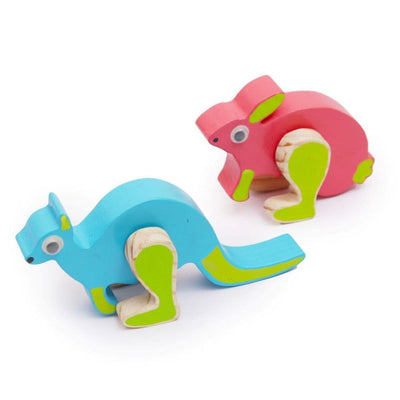
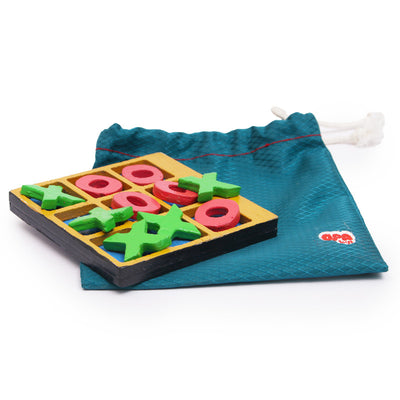
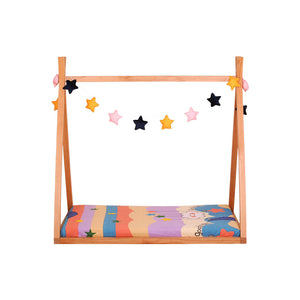
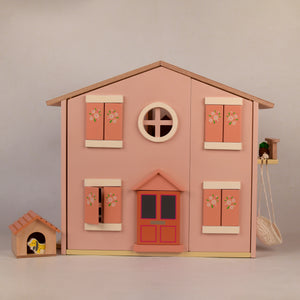
Wooden educational toys are a cornerstone of sustainable play, offering myriad benefits. They are durable, tactile, and inherently beautiful, stimulating a child's senses in a natural way. Studies consistently show that wooden educational toys benefits include improved fine motor skills, problem-solving abilities, and imaginative play, unlike many single-use plastic alternatives.
Maria Montessori herself advocated for wooden materials like the Pink Tower and Sandpaper Letters for their durability, aesthetic appeal, and direct educational purpose. When choosing wooden toys, verify that the wood is FSC (Forest Stewardship Council) certified, indicating responsible forest management.
Organic Cotton & Natural Fabrics
Soft toys, play mats, and fabric-based activity kits made from organic cotton, hemp, or linen are excellent sustainable choices. These materials are grown without harmful pesticides, ensuring a chemical-free product for your child's delicate skin. They are also biodegradable, minimizing their long-term environmental footprint.
Such fabrics are particularly important for infants and toddlers who often explore with their mouths. Selecting GOTS (Global Organic Textile Standard) certified products guarantees the highest standards for both ecological and social criteria throughout the supply chain.
Recycled & Upcycled Materials
Innovation in sustainability also brings us toys made from recycled or upcycled materials. This includes recycled plastic from milk jugs, rubber, or even discarded fabrics transformed into new, engaging products. Opt for reputable brands that clearly state the origin and safety of their recycled components.
These toys not only reduce waste but also teach children about resourcefulness and the circular economy from a young age, aligning with global efforts to create a greener future, as seen in projects like Studio Saar's sustainable factory design.
Ensuring Safety: Non-Toxic Educational Toys are Paramount
Beyond eco-friendliness, the safety of materials is non-negotiable for non-toxic educational toys. Children explore their world through touch and taste, making it vital that toys are free from harmful chemicals. Prioritize products finished with water-based paints, natural beeswax, or plant-based oils, which are safe even if ingested.
Avoid toys containing phthalates, BPA, lead, or other heavy metals. These chemicals are commonly found in conventional plastics and paints and can have adverse effects on child development and health. Always check for clear labeling regarding material composition and safety standards.
The Mark of Trust: Certifications and Ethical Manufacturing
Certifications serve as a trustworthy assurance that a toy meets specific environmental, social, and safety standards. For sustainable educational toys, look for internationally recognized labels such as FSC for wood, GOTS for textiles, and CE or BIS for overall product safety.
Ethical manufacturing is equally important. This means ensuring fair labor practices, safe working conditions, and responsible waste management at the production facility. Supporting brands that are transparent about their supply chain helps empower communities and promotes a fairer global economy, an important value to instill in children.
Longevity & Open-Ended Play: The Montessori Sustainable Materials Philosophy
A key aspect of sustainability is longevity. Toys that last longer reduce the need for constant replacements, thus minimizing waste. Montessori sustainable materials are often designed for durability and open-ended play, encouraging children to engage creatively and repeatedly with the same toy over many years. This philosophy is deeply rooted in Montessori education, where materials are chosen for their quality and purpose.
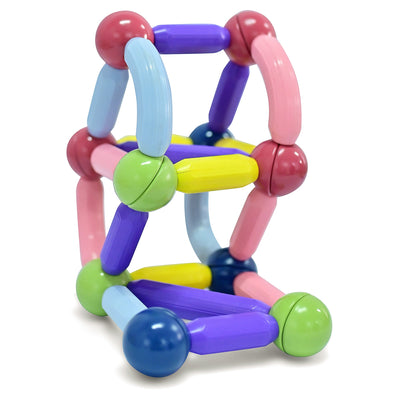
An open-ended toy, like a set of wooden blocks or an activity kit that can be used in countless ways, evolves with a child's development, offering new learning opportunities at different ages. This contrasts sharply with single-function plastic toys that often lose appeal quickly.
Practical Steps: How to Choose Sustainable Toys for Kids
Making informed choices for how to choose sustainable toys for kids involves a combination of research and careful observation. Start by researching brands committed to sustainability and transparency. Read product descriptions thoroughly, looking for details on materials, finishes, and manufacturing processes.
Engage with brands that are clear about their eco-credentials. Ask questions about their sourcing, waste reduction efforts, and community involvement. Remember, every purchase is a vote for the kind of world we want our children to inherit, and choosing sustainable educational toys is a powerful step towards that future for Indian families.
Are all wooden toys considered sustainable?
Not all wooden toys are inherently sustainable. True sustainability in wooden toys depends on whether the wood is sourced from sustainably managed forests (e.g., FSC certified), if non-toxic finishes are used, and if the manufacturing process is ethical.
How can I check if an educational toy is non-toxic?
To check if an educational toy is non-toxic, look for specific certifications like EN71 (European safety standard), ASTM F963 (American standard), or BIS (Indian standard). Always choose toys with water-based paints, natural oils, or no finishes at all, and avoid plasticizers like phthalates.
What are the key benefits of eco-friendly educational toys for child development?
Eco-friendly educational toys promote sensory development through natural textures and smells, encourage open-ended play and creativity, and instill environmental awareness from a young age. They also provide a safer play environment free from harmful chemicals, supporting holistic well-being.
What certifications should Indian parents look for in sustainable toys?
Indian parents should prioritize certifications such as FSC (Forest Stewardship Council) for wood, GOTS (Global Organic Textile Standard) for fabrics, and reputable safety standards like EN71, ASTM F963, or BIS for overall product safety and material purity. These labels confirm adherence to stringent environmental and ethical criteria.
How do sustainable toys support a Montessori approach to learning?
Sustainable toys align perfectly with the Montessori philosophy by prioritizing natural materials, simple designs, and open-ended functionality that encourages self-directed learning and exploration. They foster concentration, fine motor skills, and an appreciation for the natural world, echoing Maria Montessori's principles of respecting the child and their environment.
- Choosing sustainable educational toys requires evaluating materials, manufacturing, and certifications.
- Natural, non-toxic materials like FSC-certified wood and organic cotton are paramount for eco-friendly choices.
- Certifications like FSC, GOTS, EN71, and BIS assure adherence to environmental and safety standards.
- Sustainable toys promote longevity and open-ended play, aligning with Montessori principles and reducing waste.
- Ethical manufacturing and transparent supply chains are crucial components of true toy sustainability.
- Conscious toy selection empowers Indian parents to foster holistic child development while protecting the environment.