Sustainable Educational Toys: India's Eco-Journey of Play
Understanding the manufacturing journey of sustainable educational toys empowers Indian parents to make truly informed choices, ensuring their child's learning materials align with a greener future. This guide illuminates the intricate processes behind eco-friendly toy production India, from responsibly sourced materials to ethical labor practices, reflecting India's growing commitment to sustainable industrial growth, much like the innovative factories emerging across the nation.
Sustainable educational toy manufacturing is the holistic process of creating learning materials with minimal environmental impact and maximum social benefit. This matters because it ensures children play with products free from harmful chemicals, made under fair conditions, and designed for longevity. Indian parents can support this by seeking out brands transparent about their supply chains and manufacturing practices.
From Forest to Playroom: The Eco-Friendly Toy Production India Process
The journey of a sustainable educational toy often begins with its raw materials. For many classic Montessori materials, this means sustainably harvested wood, certified by organizations like the Forest Stewardship Council (FSC). This ensures that forests are managed responsibly, preserving biodiversity and supporting local communities for generations.
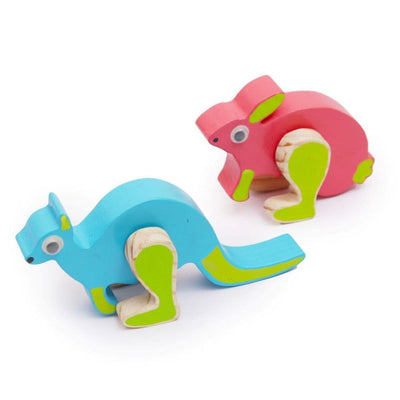
Beyond wood, manufacturers utilize organic cotton for soft toys, recycled plastics for durable components, and natural rubber from sustainable plantations. Child development experts agree that toys made from natural, durable materials enhance sensory exploration and imaginative play far more than their synthetic counterparts. These choices reflect a deep respect for nature, mirroring the values we teach our children at home.
Ethical Toy Supply Chain: Transparency in Action
A truly sustainable toy's journey is not just about materials; it's also about the people behind its creation. An ethical toy supply chain prioritizes fair wages, safe working conditions, and no child labor, upholding human dignity at every step. This commitment is becoming increasingly vital in India's industrial landscape, as seen with initiatives like sustainable factory designs for various sectors.
Reputable manufacturers often partner with local artisans and communities, providing stable livelihoods and preserving traditional Indian craftsmanship. This empowers families and strengthens local economies, creating a ripple effect of positive impact beyond just the toy itself. Choosing such brands supports a broader ecosystem of ethical trade.
Green Manufacturing Toys: Innovation in Indian Factories
Modern sustainable educational toy manufacturing facilities in India are embracing innovative green practices to minimize their ecological footprint. This includes using renewable energy sources, implementing water conservation techniques, and drastically reducing waste through recycling and upcycling programs. The focus is on efficiency and responsibility, much like the broader national drive towards sustainable industrial development.
Furthermore, these factories often use non-toxic, water-based paints and finishes, ensuring that the finished products are safe for children, even if they put them in their mouths. Minimalistic, recyclable packaging, often made from recycled paper or biodegradable materials, also plays a crucial role in reducing post-consumer waste. This holistic approach ensures every aspect of production is aligned with eco-conscious principles.
For children who love hands-on learning, explore our range of activityKits, often crafted with these very principles in mind, fostering creativity and a connection to sustainable play.
The Montessori Connection: Purposeful Production for Holistic Development
Maria Montessori's philosophy emphasizes learning through natural, durable materials that engage the senses and encourage independence. This aligns perfectly with the principles of sustainable manufacturing. For instance, classic Montessori materials like the Pink Tower or Sandpaper Letters are traditionally made from high-quality wood, designed to last for decades and be passed down through generations within joint Indian families.
Studies indicate that children exposed to natural materials often develop a deeper appreciation for the environment and the origins of their playthings. When we choose Montessori educational toys made sustainably, we are not just providing a learning tool; we are imparting a valuable lesson in respect for resources and craftsmanship. Our main collection of Montessori Method Learning Materials exemplifies this commitment to quality and longevity.
Beyond the Factory Gates: Packaging, Distribution, and End-of-Life
The commitment to sustainability extends beyond the production line. Sustainable brands focus on minimizing packaging, using recycled or biodegradable materials to reduce waste. Research consistently shows a link between early exposure to sustainable practices and the development of responsible adult citizens.
Distribution networks are also optimized to reduce carbon emissions, often favoring local sourcing and shorter transportation routes within India. Finally, sustainable educational toys are designed for durability, encouraging repair over replacement and promoting a culture of hand-me-downs among siblings or cousins. This approach ensures a longer lifespan for the toy, reducing its overall environmental impact from purchase to eventual disposal.
- Sustainable educational toys prioritize eco-friendly materials and ethical labor.
- India's manufacturing sector is increasingly adopting green practices for toy production.
- An ethical supply chain ensures fair wages and safe working conditions for artisans and factory workers.
- Montessori principles naturally align with durable, natural, and sustainably produced materials.
- Choosing sustainable toys teaches children environmental responsibility and supports a greener economy.
- Reputable brands offer transparency regarding their material sourcing and manufacturing processes.
What does 'sustainable educational toy manufacturing' mean?
Sustainable educational toy manufacturing involves creating learning materials using eco-friendly resources, ethical labor practices, and processes that minimize environmental harm. It ensures toys are safe, durable, and beneficial for both children and the planet.
How can I identify genuinely sustainable educational toys in India?
Look for certifications like FSC for wood, GOTS for textiles, or brands that are transparent about their sourcing, manufacturing, and supply chain. Research shows that reputable brands often provide detailed information on their websites or packaging.
Are Montessori toys inherently sustainable?
Many traditional Montessori materials, designed for durability and made from natural materials like wood, are inherently sustainable in concept. However, genuine sustainability also depends on the specific manufacturing process, material sourcing, and ethical practices of the individual Montessori toy producer.
What is the role of ethical toy supply chain practices in India?
An ethical toy supply chain ensures fair wages, safe working conditions, and no child labor throughout the production process, from raw material extraction to finished product. This fosters a positive societal impact, aligning with the values of conscious Indian families.
Why is eco-friendly toy production important for Indian families?
Eco-friendly toy production protects children from harmful chemicals, supports a healthier environment for future generations, and aligns with values of mindful living often cherished in Indian homes. It also educates children about environmental responsibility from an early age.