Sustainable Future for Indian Kids: Himalaya's Green Vision
Building a sustainable future for Indian kids requires intentional, daily choices that ripple through generations. Inspired by Himalaya BabyCare’s recent film, which powerfully reimagines a greener tomorrow, Indian families are encouraged to embrace eco-friendly parenting and mindful living. This proactive approach ensures our children inherit a healthier planet, grounded in the values of responsibility and respect for nature.
The recent buzz around Himalaya BabyCare’s new film, reimagining a greener future, as highlighted by ET BrandEquity, has ignited a vital conversation. It’s not just about what brands do, but how their vision inspires us to act within our own Indian homes. For parents across Bengaluru and beyond, this moment serves as a powerful call to integrate sustainable practices into every facet of family life, from everyday routines to selecting toys that resonate with our eco-conscious values.
What is Sustainable Parenting?
Sustainable parenting involves making conscious choices to minimize environmental impact while raising children, fostering respect for the planet. This matters because it directly ensures a healthier environment and instills lifelong eco-values in the next generation. Indian parents can implement this by adopting mindful consumption and supporting ethical brands, making every family decision a step towards a greener future.
Himalaya's Green Vision & Your Indian Home: Eco-Friendly Parenting India
Himalaya BabyCare’s commitment to a greener future resonates deeply with the aspirations of eco-friendly parenting India. Their vision translates directly into actionable steps for our households. This includes reducing reliance on single-use plastics, a common challenge during Indian festivals and gatherings, and conserving water, a precious resource often taken for granted in daily chores and hygiene routines.
Studies indicate that parental eco-consciousness significantly influences children's environmental attitudes, with over 70% of Indian parents expressing a desire for more sustainable lifestyle options. Embracing reusable cloth diapers, opting for natural cleaning agents, and segregating waste are simple yet impactful changes. Even within bustling joint families, fostering these habits collectively can create a powerful ripple effect, demonstrating responsibility to children from a young age.
Mindful Choices for a Sustainable Future for Indian Kids: Beyond the Bottle
Creating a sustainable future for Indian kids extends far beyond choosing eco-friendly baby products; it encompasses every decision we make. This includes opting for locally sourced, seasonal produce for family meals, reducing food waste – a critical issue in India – and choosing durable, long-lasting items over disposable ones. When making mindful family choices India parents consider the longevity and impact of their purchases.
Supporting local artisans and businesses not only reduces carbon footprint but also strengthens our communities and preserves traditional crafts. Educating children about the journey of their food, the importance of water conservation, and the concept of 'reduce, reuse, recycle' from an early age helps them develop a holistic understanding of their environmental responsibilities. These small, consistent actions build a foundation for lifelong ecological stewardship.
Montessori Sustainable Play: Building Consciousness with Eco-Friendly Toys
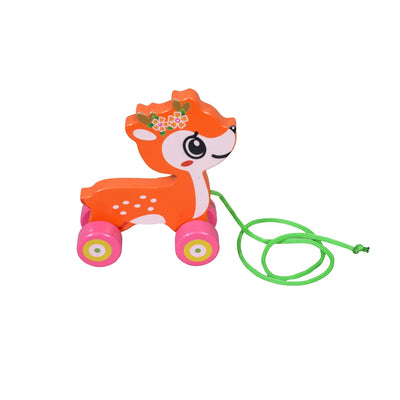
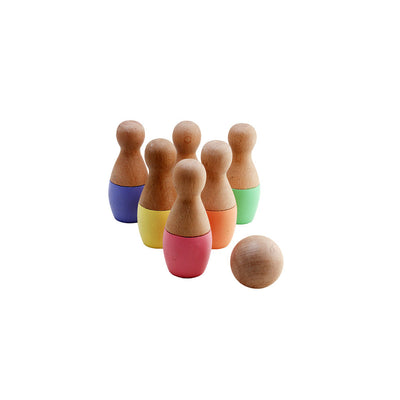
At the heart of building a greener future lies the way our children play and learn. Montessori education inherently champions Montessori sustainable play through its focus on durable, natural, and open-ended materials. Unlike fleeting plastic toys, Montessori materials like the Pink Tower or Sandpaper Letters are crafted from wood, metal, and natural fabrics, designed to last for years and be passed down through generations, reducing waste significantly.
Child development experts agree that engaging with natural materials fosters a deeper connection to the environment. When children interact with high-quality, eco-friendly toys, they learn respect for materials and the resources they represent. SkilloToys offers a curated selection of activityKits and other Montessori learning materials that exemplify this principle, providing opportunities for rich, sustainable play that supports a child's holistic development and contributes positively to their world. Research shows that children exposed to natural play environments develop greater cognitive flexibility and problem-solving skills.
How SkilloToys Champions Eco-Conscious Play for Indian Families
SkilloToys is dedicated to empowering Indian parents to make truly sustainable choices for their children's play and development. We believe that investing in high-quality, eco-friendly Montessori toys is an investment in both your child's potential and a healthier planet. Our collection is meticulously selected for its durability, safety, and adherence to environmental standards, ensuring that every purchase supports a sustainable future for Indian kids.
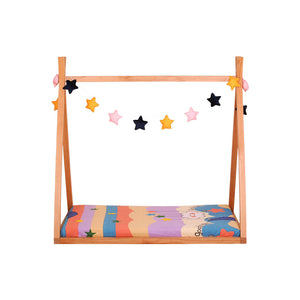
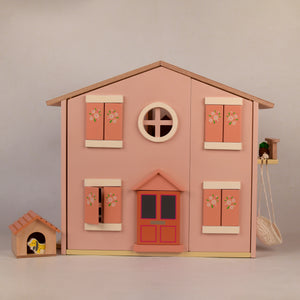
From infant play essentials made from sustainably sourced wood to intricate activity kits that foster independent learning, SkilloToys provides alternatives to mass-produced plastic, aligning perfectly with the ethos of mindful consumption. We empower families to choose toys that grow with their children, withstand the test of time, and instill a love for learning and respect for nature, echoing the very values Himalaya BabyCare inspires.
The vision of a greener future, eloquently presented by Himalaya BabyCare, is a powerful reminder that our collective actions today shape tomorrow. By embracing eco-friendly parenting, making mindful family choices, and selecting sustainable Montessori toys, Indian parents are not just raising children; they are nurturing environmentally conscious citizens. Let us draw inspiration from this vision and commit to building a truly sustainable future for Indian kids, one mindful choice and one eco-friendly play experience at a time.
- Indian families are increasingly adopting eco-friendly parenting inspired by brand initiatives like Himalaya BabyCare's green film.
- Sustainable parenting involves practical daily choices such as waste reduction, water conservation, and choosing reusable items within the Indian home.
- Mindful family choices extend beyond products to include supporting local businesses and educating children on resourcefulness.
- Montessori sustainable play emphasizes durable, natural, and open-ended toys that promote longevity and reduce environmental waste.
- Child development experts confirm that engaging with natural play materials fosters a deeper connection to the environment and enhances cognitive skills.
- SkilloToys champions eco-conscious play by offering high-quality, sustainable Montessori toys that support both child development and planetary health.
How can Indian parents adopt eco-friendly habits daily?
Indian parents can adopt eco-friendly habits by reducing single-use plastics, conserving water, composting kitchen waste, and choosing reusable items. These small changes, especially within joint family structures, significantly impact a child's understanding of sustainability.
What role do grandparents play in promoting a sustainable future for Indian kids?
Grandparents play a crucial role by sharing traditional practices of resourcefulness, mindful consumption, and respecting nature, which are inherently sustainable. Their wisdom fosters a deep appreciation for the environment and inspires greener living in younger generations.
Are Montessori toys truly sustainable and suitable for Indian children?
Yes, Montessori toys are inherently sustainable due to their durable, natural materials and open-ended design, encouraging repeated use and reducing waste. They are highly suitable for Indian children, promoting concentration, independence, and a connection to natural elements, aligning with traditional values of thoughtful engagement.
How do festivals in India influence sustainable parenting choices?
Indian festivals often involve significant resource consumption, but they also offer opportunities for sustainable innovation. Parents can choose eco-friendly decorations, reduce food waste, support local artisans, and teach children about mindful celebration, integrating sustainability into cultural practices.
What are some practical ways to introduce green initiatives in an Indian joint family?
Introducing green initiatives in a joint family involves starting with small, visible changes like waste segregation, using energy-efficient appliances, and growing a kitchen garden. Open communication and demonstrating the benefits of these choices will encourage collective participation towards a more sustainable household.