Sustainable Parenthood India: Eco-Conscious Family Guide
Embracing Sustainable Parenthood India is about more than just eco-friendly products; it's a holistic lifestyle choice that prioritizes the well-being of both children and the planet. This mindful approach guides Indian families towards making conscious decisions that reduce their environmental footprint while fostering responsible values in their children. Research shows a growing interest among new-age Indian parents in integrated, eco-conscious living, aligning with traditional values of respect for nature.
Sustainable Parenthood is a mindful approach to raising children that integrates ecological responsibility with nurturing development. This matters because it ensures a healthier planet for future generations while fostering conscious values in our children. Indian parents can implement this by making deliberate choices in consumption, education, and daily habits.
Mindful Consumption: Eco-Conscious Choices for Indian Homes
Eco-Conscious Parenting India Holistic begins with thoughtful consumption patterns that honour both tradition and the environment. In Indian homes, where hand-me-downs are a norm, extending the life cycle of products is a natural fit. The recent spotlight on initiatives like Coodle and PyaraBaby highlights a growing movement towards safe, sustainable, and pre-loved baby gear, reducing waste and fostering a circular economy.
Families can prioritize durable, multi-functional items over disposable ones, from clothing to toys. Opting for local, seasonal produce not only supports local farmers but also reduces the carbon footprint associated with transportation. Embracing home-cooked meals, a cherished Indian tradition, naturally minimizes packaging waste and promotes healthier eating habits for the entire family.
Nurturing Little Minds: Montessori Green Parenting
Montessori Green Parenting is rooted in Maria Montessori's profound respect for nature and the child's innate connection to their environment. This philosophy encourages children, even as young as 18-24 months, to understand their place in the natural world through direct experience and practical life activities. Child development experts agree that exposing children to nature fosters curiosity, resilience, and a deep sense of responsibility.
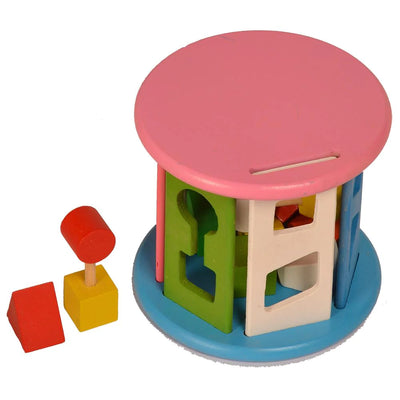
Montessori education utilizes durable, natural learning materials like the pink tower or sandpaper letters, designed to be passed down through generations. These materials are not just toys; they are tools for self-discovery and a practical demonstration of sustainability. Incorporating activities like gardening, caring for indoor plants, or even simple tasks like sorting seeds into daily routines helps children appreciate the cycles of nature and the value of resources.
Embracing New-Age Parenting: Beyond Products to Purpose
New-age Parenting India signifies a shift from merely acquiring products to cultivating purpose and values within the family. This means prioritizing experiences over possessions and fostering a deeper connection with the world around us. Mindful choices extend to how children spend their time, encouraging outdoor play and creative engagement over excessive screen time.
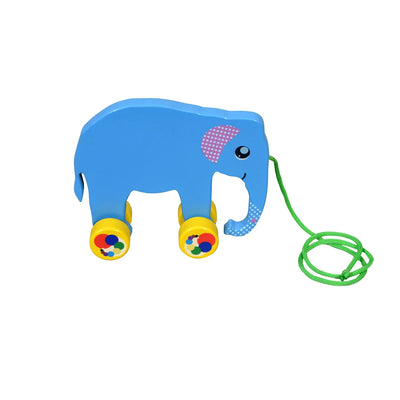
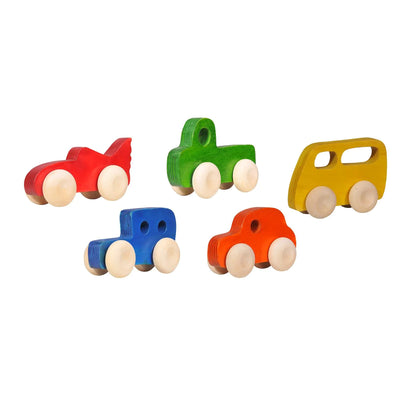
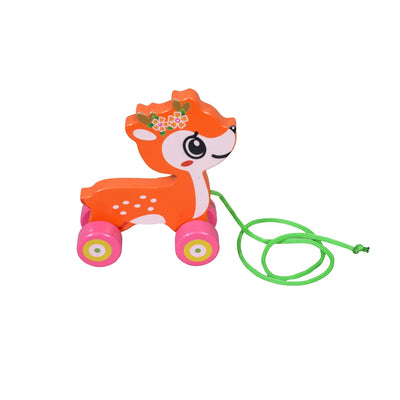
Parents can select toys that are open-ended, made from natural materials, and encourage imaginative play, rather than single-use plastic items. Investing in quality activity kits that inspire curiosity and learning also aligns with this philosophy, providing lasting value. This approach helps children develop critical thinking and a sense of wonder, crucial for future innovators and environmental stewards.
Building a Sustainable Family Lifestyle: Habits for Lasting Impact
Sustainable Family Living in India involves integrating eco-friendly practices into the fabric of daily life, making them second nature for children. This includes mindful use of resources such as water and electricity, which are critical in many parts of India. Simple habits like switching off lights, reducing water wastage during baths, and closing taps while brushing teach invaluable lessons in conservation.
Involving children in household chores like waste segregation and composting empowers them to be active participants in environmental protection. Grandparents, with their wealth of traditional knowledge, often play a crucial role in reinforcing these values, from reusing old clothes as cleaning rags to growing kitchen gardens. This intergenerational approach ensures that eco-conscious practices are deeply ingrained.
Engaging Children Indoors: Sustainable Activities for Curious Minds
The recent article, '6 Ways To Keep Kids’ Enthusiasm and Curiosity Alive Indoors This Winter' by The Better India, perfectly complements the idea of sustainable indoor engagement. When outdoor play isn't an option, Indian families can turn to creative, eco-friendly indoor activities. Encourage children to build forts from old bedsheets, create art from recycled newspaper, or make musical instruments from kitchen items.
Montessori-inspired practical life activities, such as sorting pulses, pouring water, or buttoning frames, can be both engaging and educational. These activities develop fine motor skills and concentration while reinforcing a respect for everyday tasks and materials. SkilloToys offers a range of activity kits that encourage open-ended play and learning with durable, natural components, fostering curiosity even during indoor days.
- Sustainable Parenthood India integrates ecological responsibility with traditional Indian values of respect for nature.
- Mindful consumption, exemplified by initiatives like Coodle and PyaraBaby, focuses on reducing waste through durable and pre-loved items.
- Maria Montessori's philosophy promotes green parenting by fostering a child's connection to nature and utilizing durable, natural learning materials.
- New-age parenting emphasizes experiences and values over material possessions, encouraging purposeful engagement.
- Integrating eco-friendly habits like water conservation and waste segregation into daily life builds a lasting sustainable family lifestyle.
- Engaging children in creative, sustainable indoor activities supports learning and curiosity, even when outdoor play is limited.
What is sustainable parenthood in the Indian context?
Sustainable parenthood in India integrates eco-conscious choices with cultural values like 'Vasudhaiva Kutumbakam' (the world is one family), fostering a respectful relationship with nature. It involves mindful consumption, ethical choices, and teaching children to be responsible global citizens from a young age.
How can I start sustainable parenting as an Indian family?
Begin by making small, actionable changes such as reducing food waste, opting for durable and reusable products, and engaging children in nature-based activities. Gradually integrate practices like choosing local produce, supporting ethical brands, and exploring pre-loved baby gear, as highlighted by initiatives like PyaraBaby and Coodle.
Are Montessori principles aligned with eco-conscious parenting?
Yes, Maria Montessori's philosophy deeply aligns with eco-conscious parenting by emphasizing respect for the environment, practical life skills, and a connection to nature. Montessori education encourages children to be responsible stewards of their surroundings through hands-on learning and mindful living, utilizing durable, natural learning materials.
How do pre-loved baby products contribute to sustainable parenthood?
Pre-loved baby products significantly reduce waste and the demand for new manufacturing, lessening environmental impact and saving resources. Companies like Coodle are demonstrating how quality, safety-checked second-hand gear makes sustainable choices accessible and affordable for Indian families, embodying a circular economy.
What are some simple ways to reduce waste in an Indian home with kids?
Simple steps include segregating waste diligently, composting kitchen scraps, using cloth diapers and wipes, and opting for refillable toiletries. Involve children in reducing plastic use by carrying reusable bags and water bottles, and by creating fun crafts from recycled materials.