Sustainable Ways to Extend Children's Product Life: India's Trend
Indian parents are increasingly seeking sustainable ways to extend children's product life due to a growing awareness of environmental impact, a desire for mindful consumption, and the economic benefits of reducing waste. This trend signifies a proactive shift towards a circular economy within Indian households, driven by a commitment to a healthier planet for future generations and the practical wisdom of value for money.
Extending children's product life involves practices that maximize the utility of items beyond their initial use, such as repair, repurposing, and responsible donation. This matters because it reduces landfill waste, conserves resources, and teaches children about sustainability. Indian parents can actively participate by choosing durable products and engaging in community initiatives.
The Growing Wave of Eco-Conscious Parenting in India
A significant societal shift is underway in India, where parents are becoming increasingly proactive in their environmental stewardship. Research indicates that over 70% of urban Indian parents are increasingly concerned about the environmental footprint of household products, a sentiment reinforced by recent reports like those from Mongabay India highlighting an active search for sustainable solutions.
This evolving mindset is driven by multiple factors, including personal health concerns, a desire to instil values of responsibility in their children, and the sheer volume of waste generated by single-use items. Major brands like Himalaya BabyCare are also responding to this trend, reimagining a greener future through their campaigns and product development, further amplifying the message of sustainability.
For Indian families, particularly those in joint family setups, the wisdom of resourcefulness has always been ingrained. This modern eco-consciousness builds upon that tradition, adapting it to the contemporary challenges of rapid consumption and waste management.
Embracing the Circular Economy for Kids' Products
The concept of a circular economy, where resources are kept in use for as long as possible, is gaining significant traction within the children's product market in India. Studies by environmental organizations consistently show that the average lifespan of a child's toy has decreased significantly over the last two decades, contributing substantially to landfill volume. This stark reality fuels the parental demand for alternatives.
This shift aligns with India's broader commitment to sustainability, mirroring innovations seen in sectors from manufacturing, such as Studio Saar's sustainable factory design, to consumer goods. By participating in a circular economy, families not only reduce their ecological footprint but also teach children valuable lessons about resource conservation and mindful consumption from an early age.
Parents are actively seeking out products designed for durability and a longer lifecycle, moving away from the 'use and discard' mentality. This includes a preference for materials that can be recycled, repaired, or repurposed, ensuring items remain valuable beyond their initial function.
Emerging Solutions: Toy Libraries and Repair Services
The growing demand for sustainable solutions has led to the emergence of innovative services catering specifically to Indian parents. For parents in cities like Bengaluru, the rise of organised toy libraries India provides a practical solution to manage the constant need for new stimuli without the accompanying waste.
These libraries allow children to access a wide variety of toys, including educational activityKits, fostering new learning experiences without the financial or environmental burden of ownership. This shared economy model not only reduces waste but also promotes community interaction and saves valuable space in urban Indian homes.
Additionally, specialised repair children's toys India services, once a neighbourhood staple, are also seeing a resurgence. These services offer an environmentally conscious and often cost-effective alternative to disposal for broken favourites, from wooden puzzles to electronic gadgets, ensuring beloved items get a second lease on life.
The Art of Upcycling Children's Items in Indian Homes
Beyond organised services, the traditional Indian spirit of `jugaad` — creative improvisation — shines brightly in the realm of upcycling children's items. This involves transforming discarded objects into new treasures, fostering creativity and resourcefulness within the family.
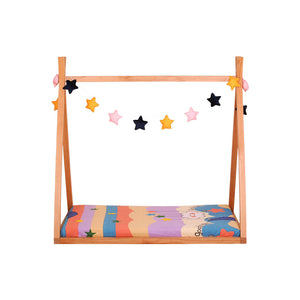
Common practices include turning old saris into play tents, repurposing baby clothes into quilts for newborns, or transforming cardboard boxes into elaborate playhouses. These activities not only extend product life but also create unique, personalised items that often hold sentimental value, passing down stories along with materials.
Upcycling also provides a fantastic opportunity for parents and grandparents to engage with children in creative projects, teaching them about waste reduction and imaginative problem-solving. It's a joyful way to practice sustainability at home, often yielding more meaningful results than store-bought alternatives.
Investing in Longevity: Educational Toys and Their Lifespan
One of the most impactful sustainable choices parents can make is investing in high-quality, durable educational toys lifespan. Maria Montessori, the pioneer of the Montessori method, advocated for materials that are sturdy, aesthetically pleasing, and designed to last, supporting a child's development for years.
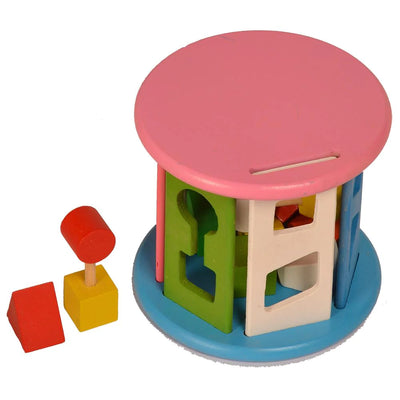
Montessori materials, such as the Pink Tower or Sandpaper Letters, are crafted from robust natural materials like wood, designed to withstand repeated use by children from 18-24 months and beyond. Visionary entrepreneurs like Meeta Sharma Gupta, who built a renowned toy brand focusing on durability and educational value, exemplify this commitment to longevity.
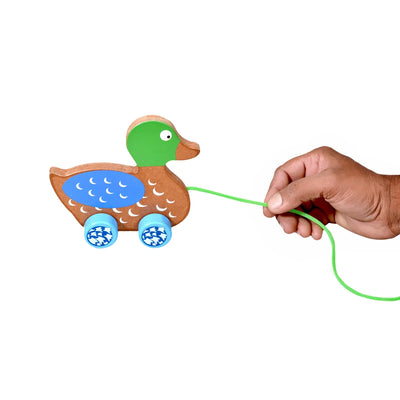
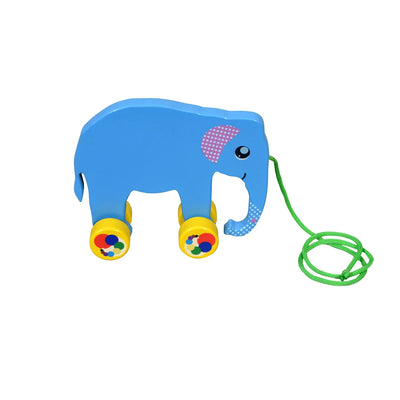
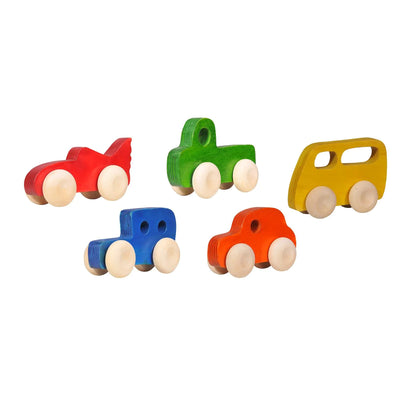
SkilloToys is committed to offering Montessori educational toys that not only stimulate cognitive development but also embody this principle of enduring quality. Choosing well-made, open-ended toys ensures they remain relevant through various developmental stages, can be passed down through siblings or community, and ultimately contribute to a significantly reduced environmental footprint.
- Indian parents are actively seeking sustainable ways to extend children's product life due to environmental concerns and economic benefits.
- The concept of a circular economy for children's products is gaining traction, promoting reuse and repair.
- Toy libraries and specialized repair services are emerging as practical solutions for urban Indian families.
- Upcycling children's items aligns with traditional Indian resourcefulness, offering creative ways to reduce waste.
- Investing in high-quality, durable educational toys, like Montessori materials, significantly extends their lifespan and developmental value.
- Brand initiatives and community platforms are actively supporting parents in their sustainable parenting journey.
What does "sustainable ways to extend children's product life" mean?
It refers to practices like repairing, repurposing, donating, or selling children's products to maximize their utility and reduce waste. This approach lessens environmental impact and promotes responsible consumption habits within families.
Why are Indian parents increasingly adopting sustainable practices for kids' products?
Indian parents are driven by growing environmental awareness, a desire to reduce household waste, and the practical benefits of saving money. This reflects a conscious shift towards more mindful and eco-friendly choices for their families.
How do toy libraries contribute to a circular economy in India?
Toy libraries allow multiple children to use the same toys over time, reducing individual consumption and waste. They provide access to a variety of educational toys without the need for constant purchasing, embodying the principles of reuse and sharing.
Is it easy to find repair services for children's toys in Indian cities?
Yes, repair services for children's toys are experiencing a resurgence, with local artisans and specialized workshops offering solutions for everything from broken parts to electronic issues. Online platforms are also connecting parents with skilled repair professionals.
How do Montessori educational toys align with extending product lifespan?
Montessori educational toys, like those from SkilloToys, are designed for durability, open-ended play, and developmental progression, making them relevant across various age groups. Their robust construction and timeless design ensure they withstand years of use and can be passed down.