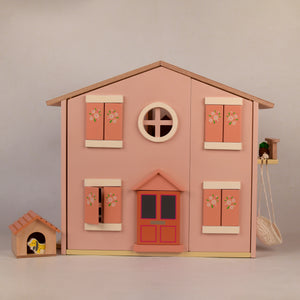
Wooden Toys for Kids: Sustainable Play for Indian Homes
As Indian parents, we navigate a world full of choices for our children, especially when it comes to playtime. Choosing high-quality wooden toys for kids is demonstrably superior for both fostering holistic child development and upholding our commitment to planetary health. They are inherently sustainable, non-toxic, and nurture imagination in ways plastic alternatives simply cannot match, offering enduring value for generations of learners.
Sustainable wooden toys are learning tools crafted from natural, renewable timber, often finished with non-toxic paints and oils. This matters because they provide a safe, tactile, and enriching play experience, free from harmful chemicals, while significantly reducing environmental impact. Indian parents can confidently invest in these toys, knowing they are making a conscious choice for their child's future and our planet.
Why Sustainable Wooden Toys for Kids are the Smart Choice
In homes across Bengaluru and beyond, parents increasingly seek alternatives to the endless stream of plastic. Sustainable wooden toys offer a powerful answer. Unlike their plastic counterparts that often end up in landfills, good quality wooden toys are built to last, often becoming cherished heirlooms passed down through joint families, from an older sibling to a younger cousin during Diwali celebrations.
Research indicates that the average plastic toy has a short lifespan, quickly discarded as children outgrow phases or trends change. In contrast, a well-made wooden block set or a Montessori-inspired activity can engage children from toddlerhood well into their school years. This longevity not only provides continuous value but also dramatically reduces waste, aligning perfectly with eco-conscious parenting.
Safety & Natural Appeal: Eco-Friendly Wooden Toys Protect Little Ones
One of the foremost concerns for parents is safety. Many plastic toys, especially cheaper imports, can contain phthalates and other endocrine-disrupting chemicals. Eco-friendly wooden toys, when sourced responsibly, are crafted from natural materials like neem, rubberwood, or pine, and finished with water-based, non-toxic paints or natural oils. This ensures that when your toddler, like little Aarav in Mumbai, inevitably puts a toy in their mouth, they are interacting only with safe, natural elements.
The sensory experience itself is richer. The smooth, cool feel of polished wood, the subtle grain, and even the earthy scent engage multiple senses beyond just sight and sound. Child development experts agree that these varied sensory inputs are crucial for brain development, offering a calming and grounding experience compared to the often overstimulating lights and sounds of electronic toys.
The Deep Developmental Benefits of Wooden Toys for Kids
Beyond their environmental and safety advantages, the profound impact of benefits of wooden toys on a child's development is undeniable. While a flashy electronic toy might entertain for a moment, it often dictates the play. Wooden toys, however, leave the narrative entirely up to the child, fostering a unique kind of learning.
Sparking Imagination: The 'Boredom' Paradox
Here's a non-obvious truth: the perceived simplicity of wooden toys is their greatest strength. When a child, say 3-year-old Meera from Bengaluru, picks up a simple wooden car, it isn't just a car. It's a racing car, then a delivery truck, then a magical carriage, then a boat sailing across the rug. The lack of built-in features—no flashing lights, no pre-recorded sounds—forces Meera to invent the story, to provide the sound effects, and to imagine the destination.
Educational psychologists suggest that this kind of open-ended play with natural, unadorned objects significantly enhances creativity, problem-solving skills, and abstract thinking. It trains the brain to generate ideas and solutions independently, a crucial skill for tackling future challenges, from school projects to navigating complex social situations in a joint family setting.
Enhancing Cognitive & Motor Skills with Montessori Wooden Toys
The very design of many Montessori wooden toys is rooted in fostering specific developmental milestones. Consider the satisfying weight of a wooden block, the precise grip needed to stack it, or the delicate manipulation required to complete a wooden puzzle activity. These interactions are fundamental for developing fine motor skills, hand-eye coordination, and spatial awareness.
Maria Montessori herself advocated for natural, simple materials that allow children to discover concepts through hands-on exploration. The famous Pink Tower, for instance, made of varying wooden cubes, teaches grading and size discrimination through touch and sight. Such focused, tactile engagement helps build stronger neural pathways, critical for cognitive development in the early years.
The Montessori Connection: Why Natural Toys for Kids Reign Supreme
At SkilloToys, our philosophy deeply resonates with the principles of Maria Montessori, which inherently champion natural toys for kids. Montessori believed in creating a 'prepared environment' where children learn through self-directed activity, exploration, and collaboration. Wooden toys, with their simplicity, durability, and focus on real-world concepts, are the perfect instruments for this approach.
Whether it's wooden stacking rings for an 18-month-old learning about size, or wooden alphabet blocks for a 4-year-old mastering Hindi or English letters, these toys align with the child's innate drive for discovery. They allow children to learn at their own pace, correcting their own mistakes, much like a child figuring out how to balance a wobbly tower of wooden cylinders. This self-correction builds resilience and independent thought, invaluable traits for an Indian child navigating school pressure or contributing meaningfully within their family.
Choosing the Best Wooden Toys for Your Indian Home
Making the switch to wooden toys doesn't have to be overwhelming. When selecting wooden toys for kids, look for brands that specify non-toxic finishes and sustainable wood sourcing, such as FSC-certified timber. Consider the age-appropriateness, but also the potential for open-ended play that grows with your child. A set of plain wooden blocks, for instance, can be a building material for a toddler, a castle for a preschooler, and even a prop for a school play for an older child.
For parents in bustling cities like Pune, where space can be a constraint, or who are keen on cost-effective, sustainable ways to keep kids engaged, consider exploring local toy libraries. As recent news highlights, these initiatives offer a fantastic way to access a variety of high-quality, often wooden, toys without the commitment of purchase, embodying the spirit of sharing and reducing consumption.
Ultimately, investing in wooden toys is an investment in your child's holistic development and a conscious step towards a more sustainable future. It's about choosing quality over quantity, imagination over instruction, and lasting value over fleeting trends. When you choose wooden, you're not just picking a toy; you're nurturing a mindful approach to play and life itself, right here in your Indian home.