Educational Toys for Emotional Expression in Indian Children
Educational toys are powerful tools for nurturing emotional expression and identification in Indian children, providing a safe and engaging medium for them to understand and communicate their feelings. These specially designed materials, rooted in Montessori principles, offer tangible ways for children to explore complex emotions, laying a crucial foundation for emotional literacy from a young age.
As Indian parents, we often focus intensely on academic excellence, yet a growing understanding highlights that emotional intelligence (EI) matters profoundly, perhaps even more than rote academic scores. Research published in prominent Indian media, like The Times of India, consistently emphasizes the long-term benefits of strong emotional foundations for children's well-being and success.
How to Teach Emotions to Children with Montessori
How to teach emotions to children involves providing concrete experiences and tools that help them label and understand their feelings. This matters immensely in competitive India, where emotional resilience is as vital as academic prowess. Indian parents can actively facilitate this learning by integrating purpose-built educational toys into daily play, turning abstract concepts into relatable experiences.
Maria Montessori believed in educating the whole child, and this includes their emotional landscape. Her method emphasizes hands-on learning, allowing children to develop self-awareness and self-regulation through purposeful activity. By introducing Montessori emotion toys, we empower our children to explore their inner world with confidence, fostering deep emotional understanding and empathy.
Why Emotional Literacy in India is Crucial Now More Than Ever
In the vibrant, fast-paced Indian society, where joint families often provide a rich emotional tapestry but also diverse dynamics, emotional literacy India is more critical than ever. Children navigate a world of intense academic competition, peer interactions, and sometimes, the challenges of adapting to new social settings or technologies. Strong emotional skills equip them to thrive.
We see this recognition reflected in initiatives like Isha Ambani’s 'Emotions Lab' at NMACC, underscoring a national shift towards valuing emotional well-being. Child development experts agree that children with strong emotional intelligence are better problem-solvers, display greater empathy, and build more resilient relationships – qualities invaluable for their future, whether in Bengaluru's bustling tech hubs or a serene village.
Montessori Emotion Toys for Identifying Feelings Activities
Montessori emotion toys are designed to provide children with concrete representations of abstract emotional concepts, making identifying feelings activities engaging and effective. For toddlers (18-36 months), simple emotion cards featuring diverse facial expressions are excellent for initial recognition. Children can match these cards to real-life situations or discuss how characters in stories might feel.
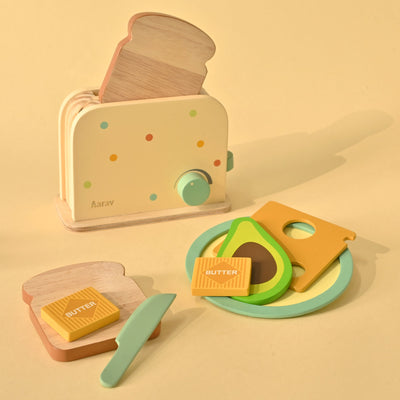
As children grow, activityKits focused on role-playing become invaluable kids learning toys. A doctor's kit, a kitchen set, or even simple dollhouses allow children to act out scenarios that evoke various emotions – fear, joy, frustration, care. This play-based learning helps them not just identify emotions but also practice appropriate responses and develop empathy, understanding others' perspectives within a familiar Indian family setup.
Practical Life Activities for Emotional Growth
While not explicitly "emotion toys," Montessori practical life activities are foundational for emotional regulation. Activities like pouring water, buttoning clothes, or cleaning up teach patience, concentration, and the satisfaction of accomplishment. Mastering these tasks builds self-esteem and the ability to manage frustration, crucial components of emotional intelligence.
Consider a child meticulously polishing a brass diya for Diwali; this focus develops persistence. When they successfully complete the task, they experience pride. These seemingly simple activities contribute significantly to a child's overall emotional resilience and understanding of their own capabilities, fostering a sense of calm even amidst the excitement of Indian festivals.
Nurturing Emotional Expression with Kids Learning Toys
Encouraging emotional expression is equally important. Kids learning toys can provide safe outlets for children to communicate their feelings without words. Art supplies like clay, paints, or even simple drawing materials allow children to visually represent their inner world. A child might draw an angry monster or a joyful sun, externalizing emotions they find difficult to verbalize.
Puppets and storytelling aids are fantastic for encouraging verbal expression. Children can project their feelings onto the puppets, narrating scenarios that reflect their anxieties or joys. This indirect communication can be particularly helpful in Indian homes where direct emotional confrontation might be less common, offering a gentle pathway to dialogue. These resources are readily available within our Montessori Method Learning Materials collection.
Building Emotional Resilience in a Competitive Environment
Studies indicate that children with strong emotional intelligence achieve greater academic success and personal well-being, directly challenging the narrow focus on only academic scores. In India’s competitive educational landscape, emotional resilience becomes a superpower. Educational toys, by fostering emotional understanding, equip children to navigate school pressures, manage friendships, and cope with setbacks gracefully.
Maria Montessori's philosophy, emphasizing respect for the child and their inner development, provides a powerful antidote to a solely performance-driven mindset. By investing in Montessori emotion toys and fostering a home environment that values emotional expression, Indian parents are not just preparing their children for exams, but for a fulfilling, balanced life.
The Role of Grandparents and Family in Emotional Growth
In many Indian families, grandparents play an integral role in a child's upbringing, offering stories, wisdom, and a different perspective. These interactions, rich in narrative and personal history, are invaluable for emotional development. Grandparents can use simple kids learning toys or storytelling to prompt discussions about emotions, drawing on cultural tales and personal experiences to illustrate feelings.
This intergenerational learning enriches a child’s emotional vocabulary and understanding of complex human relationships. The warmth and security provided by a large family unit, especially during festivals or celebrations, create a natural setting for children to experience and understand a wide spectrum of emotions, from shared joy to gentle comfort.
- Educational toys provide a concrete foundation for children to identify and express emotions.
- Montessori principles support holistic child development, including crucial emotional literacy.
- In competitive India, emotional intelligence is increasingly recognized as vital for children's success and well-being.
- Purpose-built Montessori emotion toys help children understand and label feelings from an early age (18-24 months).
- Practical life activities, though not direct emotion toys, build essential emotional regulation skills like patience and frustration tolerance.
- Open communication and play, especially with family, are key to nurturing emotional expression and resilience in Indian children.
Why are educational toys important for emotional development?
Educational toys provide a safe, tangible medium for children to explore complex emotions, learn coping mechanisms, and practice social interactions. They offer concrete experiences that help children label, understand, and communicate their feelings effectively, which is vital for holistic growth.
What are some Montessori emotion toys for toddlers?
Montessori emotion toys for toddlers include emotion cards with diverse facial expressions, role-playing sets, and practical life activities that foster patience and problem-solving. These materials allow children to naturally encounter and process feelings in a controlled, self-directed environment, building emotional vocabulary.
How can parents encourage emotional expression at home?
Parents can encourage emotional expression by modeling healthy emotional communication, validating their child's feelings, and providing a rich environment with appropriate educational toys. Engaging in discussions about characters' feelings in stories or during play can also open up valuable dialogues, especially within the Indian family context.
At what age should I start teaching emotional identification?
Child development experts agree that emotional identification can begin as early as 18-24 months, with simple concepts like happy and sad. Introducing Montessori emotion toys and using everyday situations to discuss feelings from an early age helps build a robust emotional vocabulary and understanding.
Do emotional literacy activities help with school readiness in India?
Yes, emotional literacy activities significantly enhance school readiness, particularly in India's demanding academic environment. Children who can identify and manage their emotions are better equipped to handle classroom pressures, interact positively with peers, and focus on learning, leading to greater overall success.