Educational Toys for Emotional Intelligence in Children
Choosing the right educational toys for emotional intelligence is crucial for nurturing empathetic and resilient children in India's fast-paced environment. SkilloToys.com asserts that carefully selected play materials directly support a child's ability to understand and manage their feelings, fostering vital social skills from infancy. This guide helps Indian parents confidently identify toys that genuinely contribute to their child's emotional growth.
Emotional intelligence in children is the capacity to recognize, understand, and manage one's own emotions, and to empathize with others. This matters profoundly because high emotional intelligence correlates with better academic performance, stronger relationships, and enhanced resilience in the face of life's challenges. Indian parents can actively foster this by integrating purposeful play into their children's daily routines.
Understanding Emotional Development Toys for Kids
Child development experts agree that play is a child's primary mode of learning, especially for intricate concepts like emotions. Emotional development toys offer tangible pathways for children to explore feelings, practice social interactions, and build self-awareness. In many Indian homes, surrounded by the warmth of joint families and the wisdom of grandparents, children naturally absorb emotional cues, but targeted toys can significantly amplify this learning.
For toddlers (18-36 months), simple toys that allow for naming emotions, like dolls with varied expressions or soft puppets, are highly effective. As children grow, they benefit from more complex scenarios that encourage problem-solving and perspective-taking. Research shows that early exposure to diverse emotional narratives through play significantly boosts a child's empathetic responses.
Montessori Emotional Intelligence Toys: A Foundational Approach
Maria Montessori's philosophy inherently supports emotional intelligence through its emphasis on practical life skills, self-directed play, and respect for the child's individuality. Montessori emotional intelligence toys are designed to foster concentration, independence, and a sense of order, all of which contribute to emotional regulation and confidence. These materials are not just about academics; they are about holistic development.
Consider Practical Life activities, such as pouring, scooping, or buttoning, which build focus and self-control, directly impacting a child's ability to manage frustration. Role-playing sets, like a doctor's kit or a miniature kitchen from our main Montessori collection, encourage children to step into different shoes, understand diverse emotions, and practice communication in safe, playful environments. These experiences are invaluable for developing empathy and social etiquette, crucial skills in a collective society like India.
Key Principles for Choosing Educational Toys for Emotional Intelligence
In an era where discussions around raising emotionally strong children in an an AI-driven world are gaining traction (as highlighted by MSN and The Times of India), selecting the right educational toys for kids becomes even more pertinent. Indian parenting styles, often balancing tradition with modern aspirations, can leverage thoughtful toy choices to prepare children for both academic pressures and future challenges. Here are definitive principles for choosing educational toys that nurture emotional intelligence:
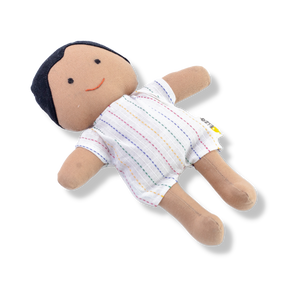
- Fostering Empathy and Perspective-Taking: Look for toys that encourage understanding others' feelings. Dolls with diverse features, storytelling kits, or dramatic play props allow children to act out scenarios and explore different viewpoints. This is especially valuable in joint family settings where navigating multiple relationships is key.
- Promoting Self-Regulation and Impulse Control: Toys that require patience, turn-taking, or problem-solving, like complex puzzles or construction sets, help children manage impulses and work towards a goal. Board games, popular during Indian family gatherings, are excellent for teaching fair play and managing winning or losing emotions gracefully.
- Enhancing Communication and Expression: Art supplies, musical instruments, and puppets provide avenues for children to express emotions non-verbally when words are difficult. Role-playing toys also offer opportunities to practice articulating feelings and needs effectively, a skill vital for navigating school and social circles in India.
- Building Self-Awareness and Confidence: Toys that allow for mastery and achievement, like building blocks that create stable structures or simple science experiments, boost a child's sense of competence. Activities that encourage independent problem-solving empower children to trust their abilities, a cornerstone of emotional resilience. Studies indicate that children engaged in open-ended, mastery-oriented play show higher levels of self-esteem and emotional stability.
Age-Appropriate Choices: Nurturing EI at Every Stage
Toddlers (1-3 years): Focus on sensory toys, soft dolls, and simple emotion cards to help them identify basic feelings. Plush toys that cry or laugh can be great for initiating discussions about emotions.
Preschoolers (3-6 years): Introduce role-playing kits, elaborate puppet shows, and collaborative building sets. Games requiring turn-taking or simple rule-following are also excellent for developing social etiquette.
Early School Years (6+ years): Encourage complex board games, creative storytelling prompts, and project-based activityKits that foster teamwork and negotiation. These help children navigate friendships and school-related emotional challenges.
The Power of Collaborative and Role-Playing Toys
Collaborative play is a powerful tool for developing emotional intelligence. When children engage in shared imaginative play, they learn to negotiate, compromise, and understand different perspectives. This type of interaction is crucial for building strong social bonds, whether with siblings, cousins, or friends in the neighbourhood. SkilloToys.com offers a range of activityKits designed specifically to foster group engagement and imaginative storytelling.
- Choosing educational toys for emotional intelligence directly impacts a child's future well-being and success.
- Montessori principles naturally support EI development through practical life skills and self-directed play.
- Authoritative sources emphasize the importance of emotional intelligence in navigating modern challenges, including the AI-driven world.
- Key principles for toy selection include fostering empathy, promoting self-regulation, enhancing communication, and building self-awareness.
- Age-appropriate toys ensure effective emotional development at every stage, from toddlerhood to early school years.
- Collaborative and role-playing toys are essential for developing social skills, negotiation, and perspective-taking.
What are the best educational toys for emotional intelligence in toddlers?
For toddlers, the best toys are sensory-rich materials, soft dolls with varying expressions, and simple emotion-naming cards. These help young children begin to identify and understand basic feelings in a tangible way.
How do Montessori toys support emotional intelligence?
Montessori toys foster emotional intelligence by promoting independence, concentration, and practical life skills, which build self-regulation and confidence. Materials like Practical Life activities or role-playing sets encourage empathy and social interaction.
Can playing with toys really make my child more empathetic?
Yes, playing with specific toys significantly enhances empathy. Dolls, puppets, and role-playing sets allow children to simulate different social scenarios, encouraging them to understand and respond to the feelings of others.
What should I look for when choosing educational toys for kids to improve emotional skills?
When choosing educational toys for kids, prioritize those that encourage open-ended play, foster communication, require turn-taking, and allow for imaginative role-playing. Toys that promote problem-solving and self-mastery also build confidence.
Are there specific emotional development toys for children facing school pressure in India?
Yes, toys that build resilience, self-regulation, and effective communication are crucial. Collaborative board games, creative expression kits, and scenario-based role-playing sets help children process stress and develop coping mechanisms for academic and social pressures.