Parents can significantly foster emotional intelligence and social skills in their children by strategically choosing educational toys for emotional intelligence that encourage open-ended play, imaginative scenarios, and collaborative interaction. These simple yet powerful tools provide essential platforms for children to understand emotions, develop empathy, and practice crucial social cues through engaging, hands-on experiences.
In the dynamic landscape of Indian parenting, where academic excellence often takes centre stage, the holistic development of a child's emotional quotient (EQ) is gaining rightful importance. Many parents in Bengaluru and across India are actively seeking ways to ensure their children not only excel academically but also grow into compassionate, resilient, and socially adept individuals ready to navigate life's complexities.
Recent studies, like those highlighted in The Times of India, underscore the profound impact of simple toy choices, such as doll play, versus screen time on a child's social skills and emotional development. This renewed focus provides a timely opportunity for parents to make informed decisions about the toys they bring into their homes, shaping their children's future emotional landscape.
What is Emotional Intelligence in Children?
Emotional intelligence in children is the capacity to understand, manage, and express one's own emotions, and to comprehend and respond appropriately to the emotions of others. This matters immensely because it underpins successful relationships, academic performance, and resilience in a child's life journey. Indian parents can actively cultivate this by creating an emotionally rich environment, starting with thoughtful toy selection.
The Science Behind Smart Toy Choices and Emotional Growth
Research consistently demonstrates that the quality of play experiences directly correlates with a child's emotional and social development. Unlike passive screen time, active engagement with physical toys stimulates critical neural pathways, fostering creativity, problem-solving, and emotional regulation. Child development experts agree that rich, imaginative play is indispensable for healthy growth.
A recent study on the benefits of doll play, for instance, reveals how engaging with simple toys can significantly boost social processing skills and empathy, enabling children to practice real-world social interactions. This reinforces the idea that tangible toys offer a unique advantage over digital mediums by providing multi-sensory feedback and encouraging hands-on exploration that screens cannot replicate.
Moreover, the structure of open-ended play, facilitated by many educational toys, empowers children to direct their own learning. This autonomy is crucial for developing self-confidence and self-efficacy, vital components of emotional intelligence that prepare children to tackle the competitive environment often seen in Indian schools and society.
Nurturing Empathy and Social Skills with Educational Toys for Kids
Selecting the right educational toys for kids is a powerful strategy for cultivating empathy and strong social skills. Toys that encourage role-playing, such as doctor sets, kitchen sets, or puppet theatres, allow children to step into different shoes, understand various perspectives, and act out complex social scenarios.
Building blocks and construction sets are excellent toys for social skills development, as they often require cooperation and negotiation when played with siblings or friends. Children learn to share, compromise, and communicate their ideas effectively to achieve a common goal, building foundational skills for future collaborative efforts in school and beyond. Explore our diverse range of activity kits designed to inspire imaginative and cooperative play.
Furthermore, simple board games designed for young children teach turn-taking, patience, and how to manage wins and losses gracefully – essential emotional lessons. These interactions provide practical experience in navigating social dynamics, helping children understand non-verbal cues and develop a more nuanced understanding of human emotions.
Montessori Toys for Emotional Growth: A Timeless Approach
The Montessori philosophy, pioneered by Maria Montessori, offers a profound framework for fostering emotional intelligence through specially designed Montessori toys for emotional growth. These materials are not just tools for academic learning but are meticulously crafted to support a child's holistic development, including their emotional and social competencies.
Montessori practical life activities, for instance, teach children independence, concentration, and self-care. Tasks like pouring water, buttoning clothes, or sweeping build a child's sense of capability and self-worth, which are crucial for emotional stability. Children learn to persist through challenges, manage frustration, and experience the satisfaction of completing a task independently.
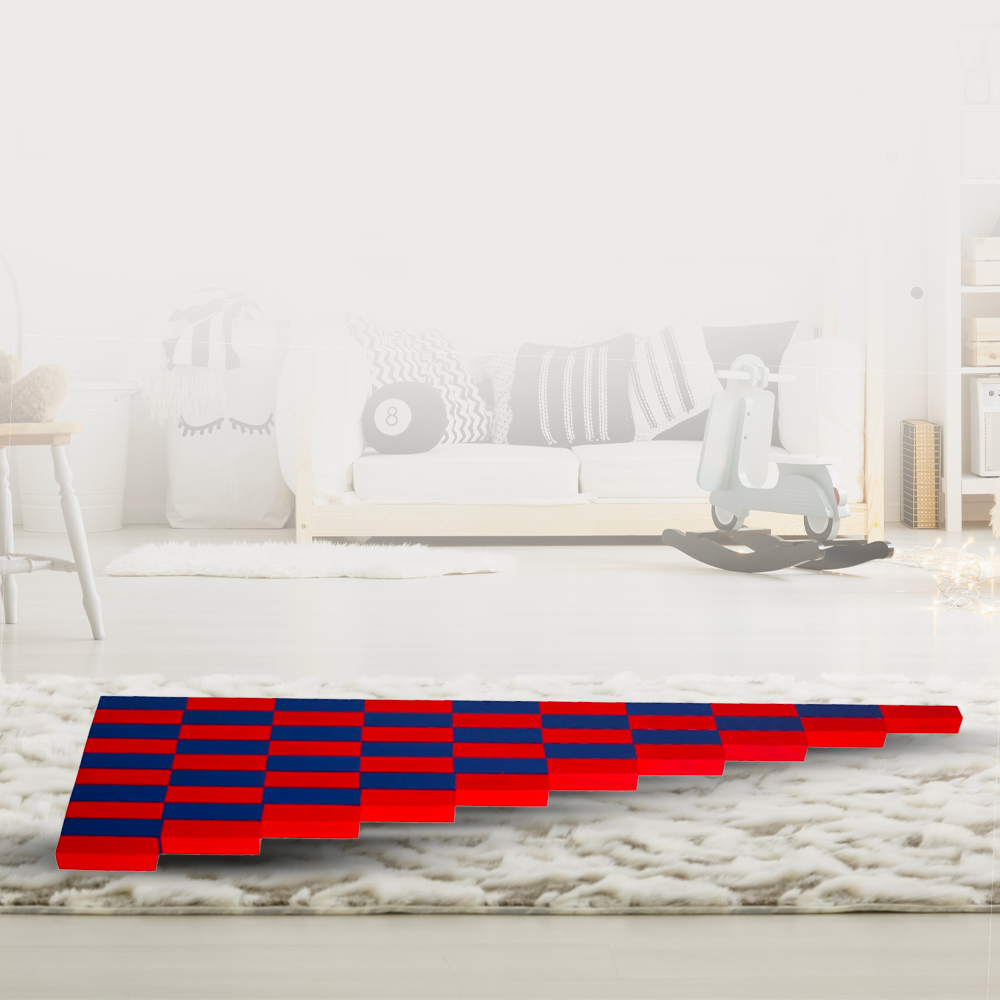
Sensorial materials, such as the Pink Tower or Brown Stair, help children develop discernment, order, and precision, indirectly contributing to emotional regulation. By engaging deeply with these materials, children develop an internal sense of order and calm, leading to greater emotional balance and a capacity for focused attention.
Simple Toy Choices for Kids: Beyond Screen Time in Indian Homes
In Indian households, the balance between academic pressure and screen time often leaves little room for unstructured play. However, making simple toy choices for kids can be a powerful antidote, fostering crucial emotional and social skills. Replacing passive screen time with engaging, hands-on toys is a definitive step towards nurturing well-rounded individuals.
Instead of relying on digital devices, encourage interaction with traditional toys like wooden blocks, puzzles, or storytelling cards during family time. These provide opportunities for parents, children, and even grandparents to bond, share narratives, and understand each other's emotions. Festive gatherings and joint family living offer natural settings for collaborative play, enhancing familial bonds and social dexterity.
A recent Indian context highlights debates around parenting styles and the need for empathy to be taught early, particularly as a clinical skill in paediatric healthcare. This emphasizes that nurturing emotional skills from home, through thoughtful toy selection and play, is not just a parental choice but a societal imperative for a compassionate future.
- Educational toys directly enhance a child's emotional intelligence and social skills through active engagement.
- Open-ended play with simple toys is crucial for developing empathy, communication, and problem-solving abilities.
- Montessori principles foster emotional growth by building independence, concentration, and self-regulation through practical life activities.
- Research indicates that reducing screen time in favour of physical toys significantly boosts social and emotional development.
- Thoughtful toy selection prepares children for competitive environments by nurturing resilience and strong interpersonal skills.
- Indian parents can actively choose toys that promote holistic child development, strengthening familial bonds through shared play.
By consciously choosing educational toys that support emotional intelligence, parents in India empower their children with invaluable life skills. These smart choices lay the foundation for empathetic hearts, resilient spirits, and capable minds, ensuring children are well-prepared for a future that demands both intelligence and compassion. Invest in play that truly matters.