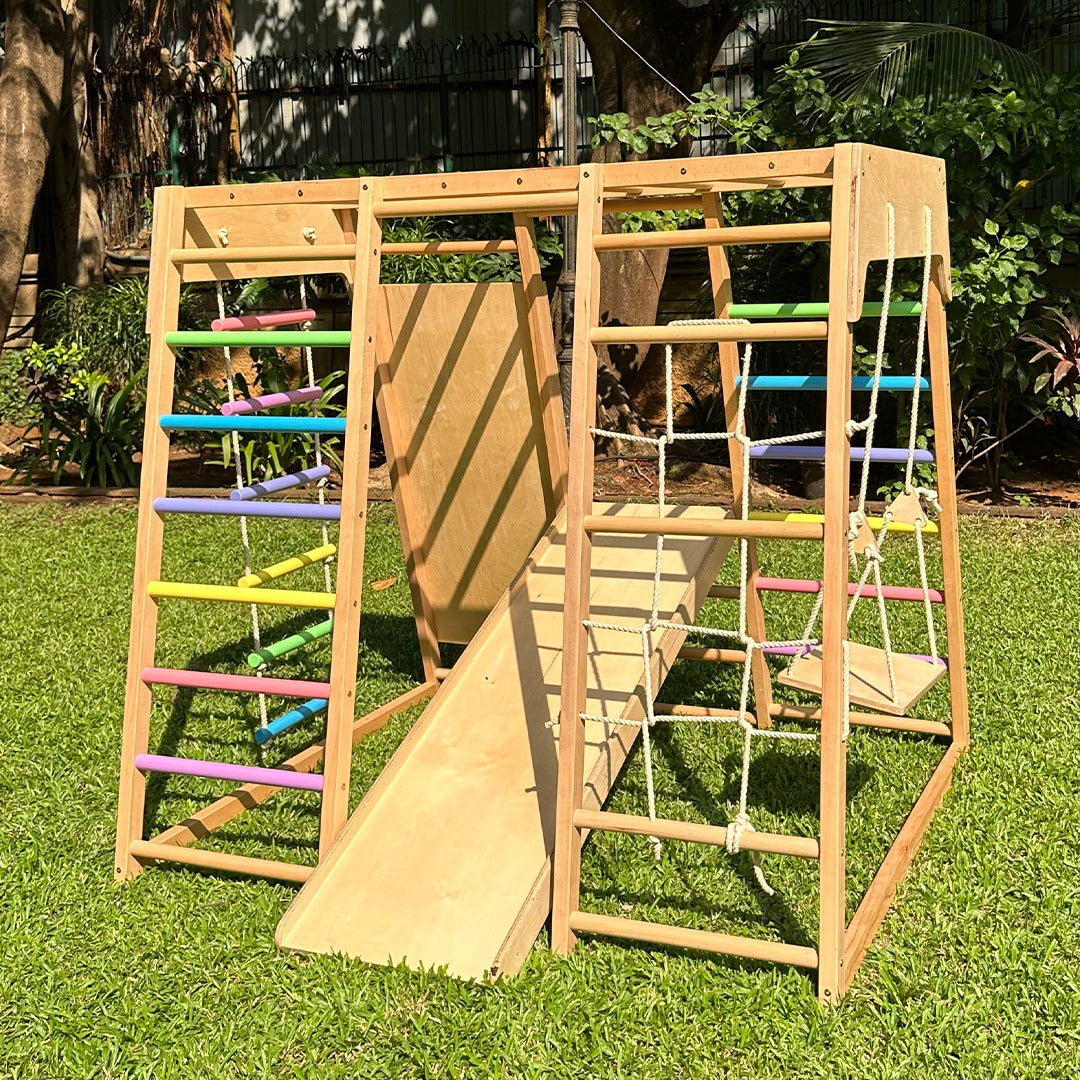
Diverse homeschooling choices India presents are transforming education, with many Indian families opting for unique, tailored learning experiences beyond conventional classrooms. These journeys reflect a growing trend where parents proactively design educational paths that align with their children's individual needs, cultural values, and personal philosophies, as highlighted by recent media discussions like 'Out of choice, out of classrooms' from The New Indian Express. This shift empowers families to reclaim their children's learning narrative, moving away from a one-size-fits-all approach towards personalized development.
The rise of homeschooling in India is a significant societal conversation, with platforms like The Times of India and thecore.in exploring why more Indian parents are choosing alternatives to conventional schools. It’s not just about academics; it's about fostering an environment where children thrive emotionally, socially, and intellectually within the comfort and cultural richness of their own homes. This growing movement signifies a deep commitment to child-centric education and family well-being.
What is Homeschooling in India?
Homeschooling in India refers to the education of children at home or through other non-traditional settings, typically by parents or tutors, rather than in a formal school environment. This matters because it offers unparalleled flexibility and personalization, allowing Indian parents to customize curriculum, pace, and teaching methods to best suit their child's unique learning style and cultural context. Indian parents can choose from a myriad of approaches, from structured curricula to child-led exploration.
Homeschooling Methods India: A Spectrum of Approaches
The homeschooling methods India embraces are incredibly rich and varied, mirroring our nation's diverse fabric. Families choose approaches ranging from highly structured, curriculum-based learning to more flexible, child-led philosophies. This spectrum allows parents to select a method resonating with family values and a child's natural inclinations, ensuring a truly personalized educational journey.
Structured methods follow pre-designed curricula, offering familiarity and academic benchmarks, beneficial for those considering future school re-entry. In contrast, unschooling enables children to learn through natural life experiences, pursuing curiosities with minimal direct instruction and fostering intrinsic motivation. Eclectic homeschooling blends these various methods to create a bespoke learning plan tailored to individual needs.
Many Indian families also integrate Montessori principles, focusing on hands-on, self-directed activity and collaborative play within a prepared environment. This approach, championed by Maria Montessori, recognizes the child as an individual capable of initiating learning in a supportive setting, using specialized Montessori learning materials.
Indian Homeschooling Stories: Real Choices, Real Impact
Exploring Indian homeschooling stories reveals the profound impact of personalized education on families across the country. Take the Sharma family from Bengaluru, who chose to homeschool their two children to accommodate travel and cultural immersion during festivals. Their children now learn history through ancient temples and science through gardening with grandparents, creating rich, unforgettable experiences.
Another inspiring example is the Singh family from Mumbai, whose child displayed a deep passion for coding early on. They opted for homeschooling to provide dedicated time and resources, allowing their child to accelerate in their chosen field beyond a conventional curriculum. This flexibility highlights how homeschooling nurtures specific talents and passions, leading to exceptional skill development.
Child development experts agree that a prepared environment, rich in sensorial and practical life activities, is fundamental for cognitive and emotional growth. Studies indicate that children in self-directed learning environments develop stronger problem-solving skills and a lifelong love for learning, a benefit evident in these narratives.
Family-Led Learning India: Empowering Parents as Guides
At the heart of diverse homeschooling choices India offers is the concept of family-led learning India, where parents take on the role of facilitators and guides rather than traditional teachers. This empowers parents to observe their children's unique learning styles, strengths, and challenges, adapting their educational approach accordingly. It fosters deep family bonds and a shared journey of discovery, extending learning beyond textbooks into daily life.
This approach often involves leveraging community resources, from local libraries and museums to online courses and peer groups. Parents curate learning experiences, selecting resources like engaging activity kits that encourage hands-on exploration and critical thinking. The focus shifts from rote memorization to genuine understanding and application, preparing children for real-world challenges.
The involvement of grandparents and other joint family members also adds a unique Indian flavour to family-led learning. They share traditional stories, practical skills like cooking or gardening, and cultural wisdom, enriching the child's education in ways a classroom cannot replicate. This multi-generational environment strengthens family ties and cultural identity.
Montessori Homeschooling Approaches India: Nurturing Independence
For many Indian families, Montessori homeschooling approaches India provides a robust framework for self-directed and holistic development. The Montessori philosophy emphasizes respect for the child, freedom within limits, and a meticulously prepared environment designed to foster independence, concentration, and a love for learning. This aligns beautifully with the aspirations of many homeschooling parents.
Key Montessori materials, such as the Pink Tower for understanding dimension or Sandpaper Letters for tactile literacy, become central to the home learning space. These are tools for self-discovery, allowing children aged 18-24 months and beyond to grasp complex concepts through hands-on exploration, building intrinsic motivation and self-correction skills.
Incorporating Montessori at home means observing your child closely, identifying their sensitive periods, and providing appropriate activities. This method empowers children to become active participants in their learning, developing practical life skills, sensorial refinement, language acquisition, and early mathematical understanding, cultivating a sense of order and self-discipline.
- Diverse homeschooling choices in India empower families to create personalized learning paths tailored to individual child needs and cultural values.
- Homeschooling methods in India range from structured curricula to child-led unschooling and eclectic blends, offering significant flexibility.
- Indian homeschooling stories demonstrate how families adapt education to accommodate travel, specific talents, and unique learning styles.
- Family-led learning strengthens familial bonds and integrates multi-generational wisdom into a child's education.
- Montessori homeschooling approaches foster independence, concentration, and practical life skills through hands-on, self-directed learning with specialized materials.
- Research indicates that personalized, self-directed learning environments can significantly enhance a child's problem-solving abilities and foster a lifelong love for learning.
What are the main types of homeschooling India families choose?
The main types of homeschooling India families choose include structured homeschooling, which follows a formal curriculum; unschooling, a child-led approach based on interests; and eclectic homeschooling, which combines elements from various methods. Many families also integrate specific philosophies like Montessori into their chosen style for a holistic approach.
How do Indian families integrate cultural values into homeschooling?
Indian families integrate cultural values into homeschooling by teaching local languages, celebrating festivals as learning opportunities, and involving grandparents in sharing traditional stories and practical skills. Learning often extends to cultural visits, exploring history through local sites, and incorporating traditional arts and crafts into the curriculum, fostering a strong sense of identity.
Are there resources available for Montessori homeschooling approaches India?
Yes, there are growing resources for Montessori homeschooling approaches in India, including online communities, workshops, and stores offering authentic Montessori materials. SkilloToys.com provides a wide range of Montessori-aligned educational toys and materials designed to support self-directed learning in a home environment.
What are the benefits of family-led learning India for child development?
The benefits of family-led learning in India for child development include enhanced critical thinking, greater autonomy, and a deeper love for learning driven by intrinsic motivation. This approach fosters strong family bonds and allows for personalized instruction that caters directly to a child's individual pace and interests, promoting holistic growth.
How do parents choose the best homeschooling methods in India for their child?
Parents choose the best homeschooling methods in India by carefully observing their child's learning style, interests, and developmental stage. They often research various approaches, consult with other homeschooling families, and even experiment with different methods to find what truly resonates and works effectively for their unique family dynamics and educational goals.