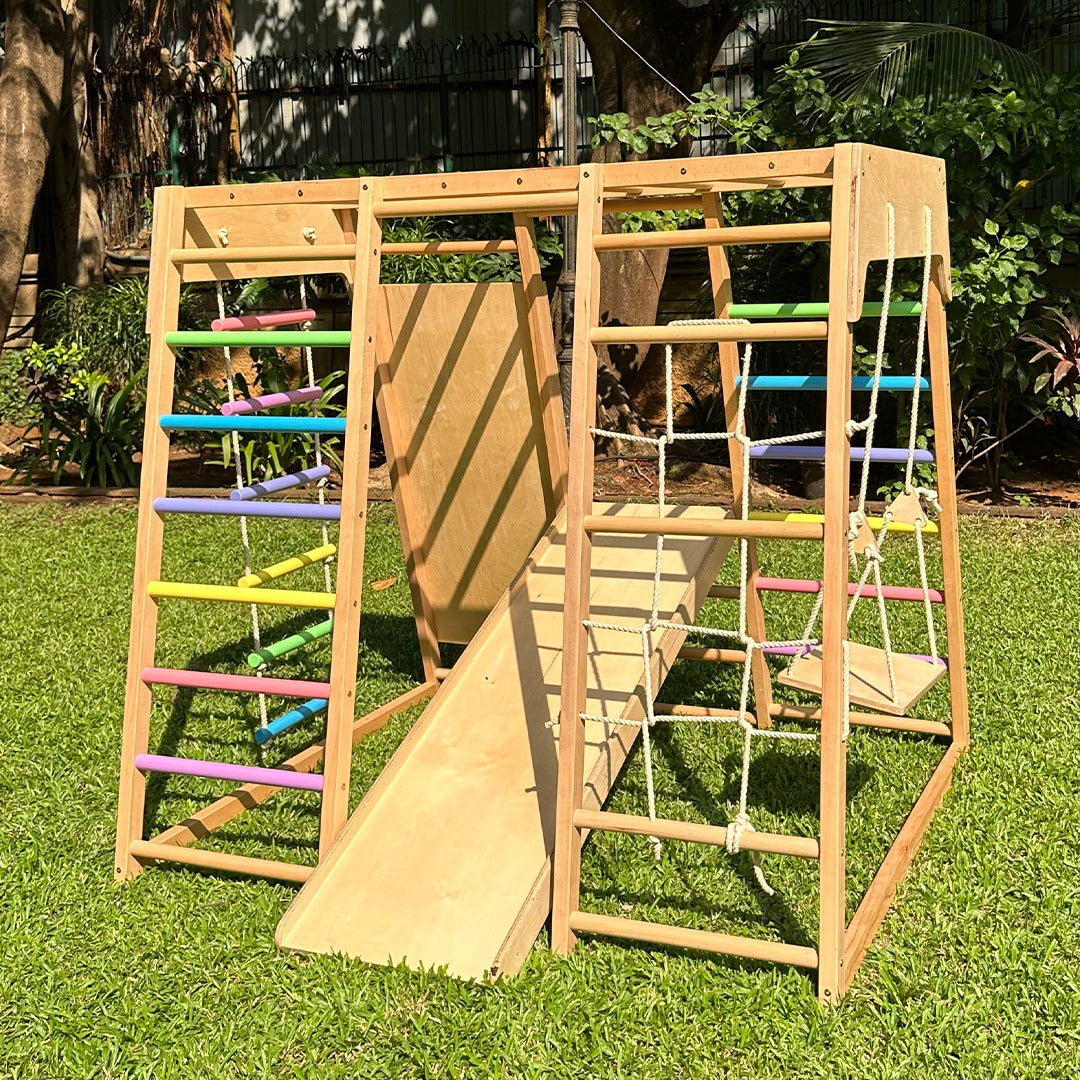
It's a common sight in our metros now, isn't it? Our kids, with their bright, curious eyes, often glued to a screen, navigating virtual worlds from the comfort of our air-conditioned apartments. The gentle hum of the AC replaces the chirping of sparrows, and the soft carpet cushions feet that once knew the rough texture of gravel and the cool embrace of dewy grass. We, as modern Indian parents, often find ourselves in a unique dilemma. We yearn for our children to experience the unadulterated joy of climbing a mango tree or splashing in a rain puddle, memories many of us cherish from our own childhoods spent in bustling mohallas or quieter small towns. But the reality of urban living – shrinking green spaces, safety concerns, academic pressures, and sometimes, our own demanding schedules – makes it feel like a distant dream.
Yet, the call of the outdoors isn't just a nostalgic echo; it's a fundamental need for our children's holistic development. When they run freely, jump, climb, and simply be in an open space, their bodies are engaged in ways no indoor activity can replicate. This isn't just about burning off energy; it's about developing gross motor skills, enhancing coordination, and building strong bones and muscles. Think of the boundless energy our little ones have after a bowl of dahi-bhat or a plate of idlis – it needs an outlet, a vibrant canvas where they can truly stretch their limbs and test their physical limits.
Beyond the physical, the outdoors acts as a giant, ever-changing classroom for their minds and spirits. The uneven terrain teaches them balance and spatial awareness. A broken branch becomes a sword, a leaf a boat, and a patch of mud, a chef's special dish. This kind of unstructured play is a powerful catalyst for imagination and creativity, far more potent than any pre-programmed toy. They learn problem-solving when they figure out how to climb a tricky slide or navigate around a puddle. They learn resilience when they fall and get back up, dusting off their knees and perhaps a tiny tear, but mostly, a renewed sense of adventure.
And what about the social dance of childhood? In our Indian context, communities thrive on interaction. Outdoor play naturally fosters this. Children learn to negotiate turns on a swing, share a ball during a game of gully cricket, resolve small conflicts over whose turn it is to be "it" in hide-and-seek. These are invaluable lessons in empathy, cooperation, and communication – skills that will serve them far better in life than any rote-learned textbook fact. Our elders, like Dadi and Nani, instinctively understood this. They'd often shoo us out of the house with a cheerful "Jao, bahar khelo!" knowing that the world outside offered more than just fun; it offered life lessons. Modern parenting, with its emphasis on safety and structured learning, sometimes inadvertently limits these organic learning opportunities.
The common refrain we hear is, "Where do we find such spaces?" or "Is it safe?" These are valid concerns. Our bustling cities, with their traffic and concrete jungles, do pose challenges. However, it's about being intentional and creative. Many residential societies now have dedicated play areas, often gated and relatively safe. Community parks, though sometimes crowded, offer valuable patches of green. Even a wide, quiet footpath can become a race track for cycles or a space for a quick game of hopscotch with chalk.
Making Outdoor Play a Daily Reality
It doesn't always have to be a grand expedition. Start small, start simple. The key is to seek out these pockets of possibility and integrate them naturally into your routine.
Embrace the Society Park
If your apartment complex has a garden or play area, make it a daily ritual. Even 30 minutes of unstructured play after school can make a world of difference. Let them make mud pies, collect pebbles, or simply lie on the grass and watch the clouds drift by. It's about giving them the freedom to explore their immediate surroundings.
Weekend Nature Escapes
Plan weekend visits to larger public parks, botanical gardens, or even the outskirts of the city if there's a nature trail. These outings don't need elaborate planning; a picnic blanket, some snacks, and an open mind are often all you need. Let them chase butterflies, listen to bird calls, or collect interesting leaves. These experiences create lasting memories and a deeper connection to the natural world.
Reclaiming Balconies and Terraces
For those with limited ground access, balconies or terraces can be transformed. A small patch of artificial grass, some potted plants (child-friendly ones, of course!), a sandpit, or even just a designated corner for water play can create a mini-outdoor haven. Grow some herbs or small vegetables together; the act of nurturing a plant connects them to nature and responsibility.
The Power of Unstructured Time
Resist the urge to constantly direct their play. Sometimes, the greatest learning happens when children are left to their own devices, free to invent games, explore boundaries, and engage in imaginative scenarios without adult interference. This 'free play' fosters independence, problem-solving, and self-reliance, allowing their creativity to truly flourish.
A Community Approach to Play
Connect with other parents in your building or neighbourhood. Often, strength in numbers makes outdoor play more feasible and safer. Children thrive in group play, and having a small gang of friends to run around with can motivate them to step away from screens. A group of kids playing frisbee or tag in the society compound is a truly heartwarming and common sight across Indian communities.
Teaching Safe Exploration
Instead of completely restricting them, teach them about safe boundaries. "This is where we play, beta, and we always stay where Mumma/Papa can see you." Teach them to identify safe spaces, to recognize potential dangers (like open drains or busy roads), and to respect nature. This builds their awareness and critical thinking, rather than just instilling fear, empowering them to make smart choices while exploring.
Encouraging this love for exploration and imaginative play doesn't stop when they come indoors. It extends to the tools we provide them. SkilloToys understands this innate need for children to learn through discovery and hands-on engagement. From building blocks that mimic the structures they see outside to creative kits that let them bring their outdoor adventures indoors, SkilloToys offers a range of safe, educational, and play-based learning toys that beautifully complement their outdoor explorations and nurture their blooming minds. Explore SkilloToys.com today and discover how we can help your child continue their journey of imaginative discovery, both inside and out.