Child Behavior on Flights: Montessori Guide for Indian Parents
The recent IndiGo incident, sparking public debate over children's conduct, highlights a common dilemma for modern Indian parents: how to manage child behavior on flights. Montessori principles offer a powerful framework for proactive preparation, teaching grace and courtesy, and creating a supportive environment that transforms air travel from a potential nightmare into a harmonious experience. Child development experts agree that children thrive with structure and respect, even in confined spaces, making a definitive case for mindful travel preparation.
What is Montessori flight preparation? Montessori flight preparation is a proactive approach to managing children's behavior during air travel by creating a 'prepared environment' and fostering independence. This matters because it reduces stress for both child and parent, teaching respect for shared spaces. Indian parents can empower their children by involving them in the journey and providing purposeful activities.
Prepare the Child, Prepare the Environment: Montessori Travel Tips
Research by Dr. Maria Montessori consistently highlighted the importance of a 'prepared environment' for a child's optimal development. This isn't just about their home; it extends to any space they inhabit, including an airplane. For Indian families often travelling for festivals or family visits, this preparation is crucial.
Before boarding, involve your child in the process. Talk about the journey, what they will see, and what's expected of them. Let them choose a few small, quiet items for their "work bag." This simple act fosters a sense of ownership and reduces anxiety, making them feel like a contributing member of the travel party, not just a passenger being carted along.
The "Work Bag" Concept: Engaging Activities for Flights
Instead of relying solely on screens, a Montessori "work bag" offers purposeful activities. This aligns with the understanding that children naturally seek meaningful engagement. For a 3-year-old, this might include a small set of wooden blocks, lacing cards, or a quiet activity kit. These items encourage concentration, fine motor skill development, and independent play.
Studies on early childhood development, including those from the Harvard Center on the Developing Child, underscore the importance of executive function skills developed through focused play. These are precisely the skills that help children regulate their emotions and actions in challenging environments like a plane cabin. The satisfying click of building blocks or the focused effort of lacing beads can be incredibly calming.
Managing Toddler Tantrums on Flights with Grace and Courtesy
Managing toddler tantrums flight can feel overwhelming, especially in a confined space with watchful eyes. Tantrums often stem from overstimulation, fatigue, or a lack of control. Instead of immediate reprimand, Montessori encourages observation and respectful intervention. Acknowledge their frustration by saying, "I see you're feeling very upset right now."
Offer limited, positive choices, such as "Would you like to look out the window or read your book?" This gives them back a sense of agency. Indian parents often have grandparents offering pacifiers or snacks, but gently guiding the child towards self-regulation, using calm words and a comforting presence, can teach invaluable coping skills.
Flight Etiquette for Kids: Respect for the Shared Space
The airplane cabin is a prime "Practical Life" classroom for public transport etiquette for children. It's an opportunity to teach respect for others and the environment. Discuss beforehand why we use quiet voices, keep our belongings contained, and don't kick the seat in front. "How would you feel if someone was kicking your seat?" is a powerful question.
Maria Montessori emphasized that children absorb their environment. By modeling respectful behavior and explicitly teaching these social graces, you empower your child to navigate shared spaces confidently and courteously. This extends beyond flights to local buses, metro rides in Bengaluru, and even waiting rooms, reflecting deeply ingrained Indian values of respect for community.
Addressing the IndiGo Incident: A Moment for Reflection on Indian Parenting Travel
The recent news about a child's 'vandalism' act on an IndiGo flight and the subsequent public debate over Indian parenting styles serves as a potent reminder. It sparks questions: Is it "cute or annoying?" as Hindustan Times recently questioned, and how do we balance a child's natural curiosity with public decorum?
Montessori offers a path forward by reframing these situations. A child marking a seat might be an exploration of boundaries or a call for engagement. Instead of simply punishing, we can use it as a teaching moment about responsibility for our actions and our shared environment. The emphasis shifts from suppressing behavior to guiding it constructively, reflecting a modern approach to indian parenting travel that values both freedom and responsibility.
Montessori Resources for Peaceful Journeys
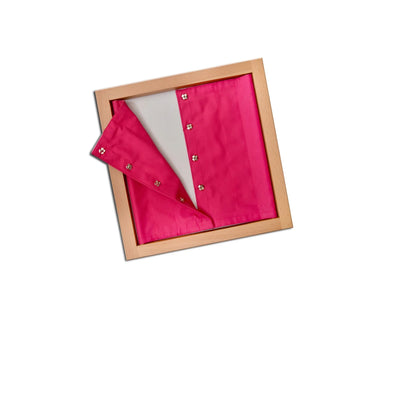
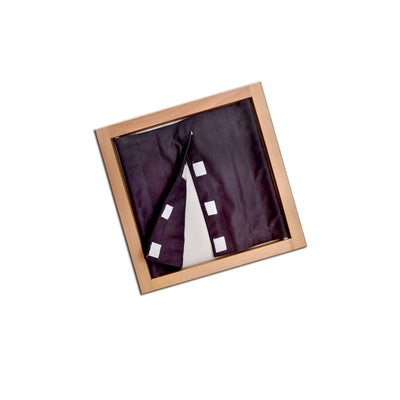
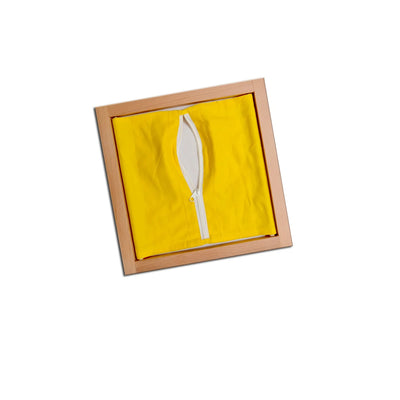
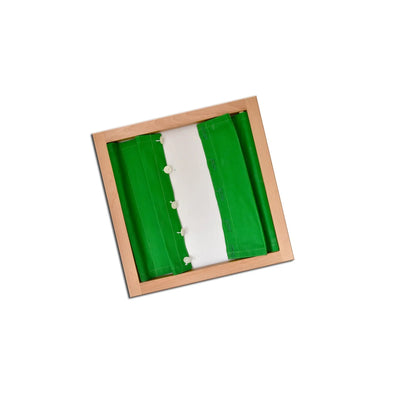
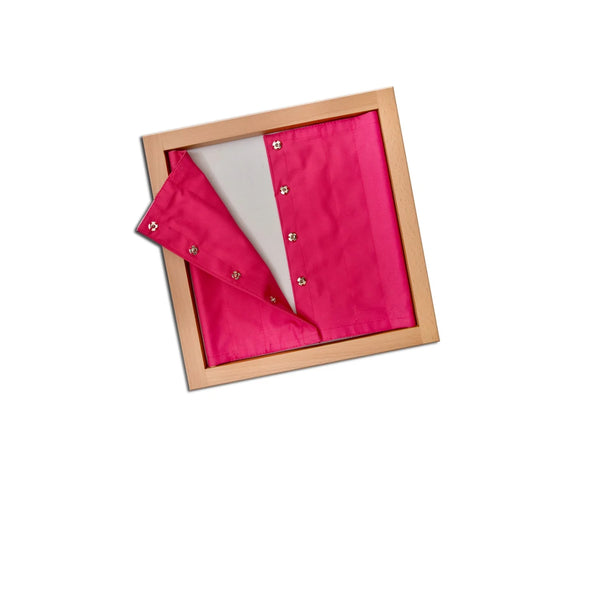
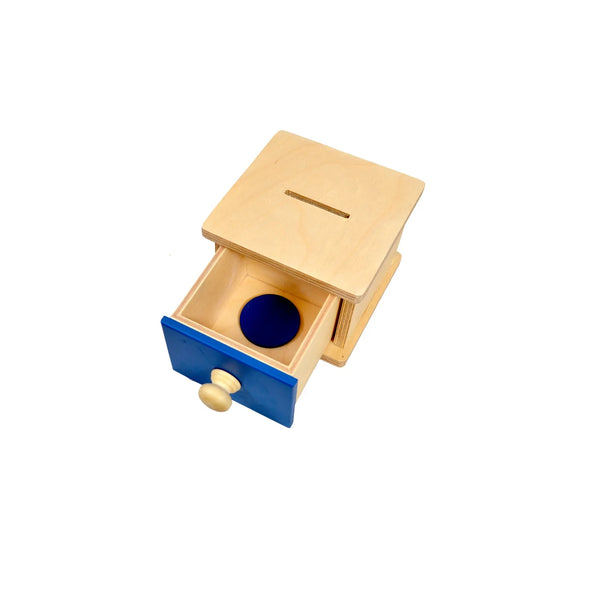
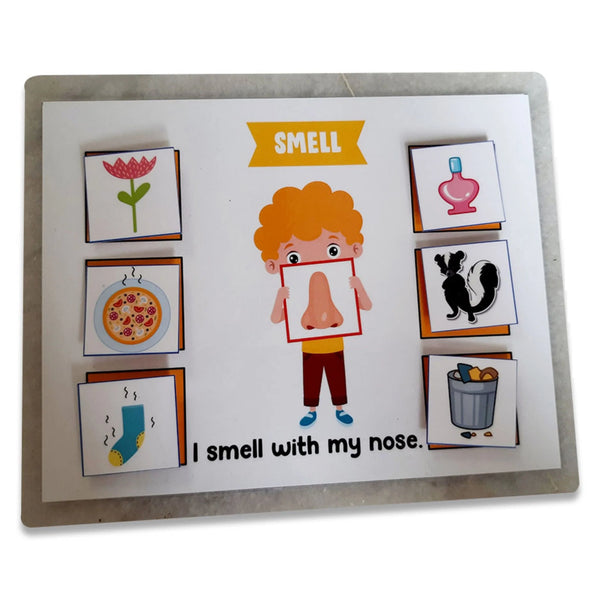
Equipping your child with the right tools can make all the difference. Explore a range of engaging and quiet Montessori materials that can transform a cramped flight into a calm, constructive space. From puzzles to sorting games, these items are designed to captivate young minds and support their developmental needs while on the go.
Find age-appropriate options that resonate with your child's current interests and developmental stage. Consider items that fit easily into a small bag, are durable, and don't require extensive cleanup. You can browse various options like those found in our Montessori Method Learning Materials collection.
Flying with children doesn't have to be a source of dread. By applying Montessori principles—preparation, purposeful engagement, and the teaching of grace and courtesy—Indian parents can foster well-behaved, self-regulated children who not only survive flights but thrive in any shared environment. The journey itself becomes part of their rich learning experience, preparing them for a world beyond the plane window.