Choosing Childcare India: Montessori Guide to Quality
The recent headlines from Bengaluru regarding childcare safety have resonated deeply with every parent, especially those of us juggling careers and family in India's bustling cities. Choosing childcare in India is one of the most significant decisions for modern working parents, a choice recently underscored by concerning events like the Bengaluru daycare case. Child development experts agree that a nurturing, stimulating environment is paramount for a child's holistic growth and safety, directly influencing their cognitive, emotional, and social development.
Quality childcare, especially through a Montessori lens, is about providing a prepared environment that fosters independence, respect, and a love for learning. This matters because children thrive when they feel safe, understood, and are given the freedom to explore within clear boundaries. Indian parents can proactively vet childcare by understanding what constitutes genuine quality beyond superficial appearances, focusing on staff interaction, safety protocols, and the overall ethos.
What is Quality Childcare from a Montessori Perspective?
Quality childcare, from a Montessori perspective, is an environment meticulously designed to meet the developmental needs of each child, fostering independence and innate curiosity. This matters because it directly supports a child's self-construction and ability to engage meaningfully with their surroundings. Indian parents can identify this by observing if children are actively engaged in self-directed activities rather than being passively entertained.
Beyond Cleanliness: Observing for True Daycare Safety India
When you walk into a potential daycare, your initial observations often focus on cleanliness and infrastructure. While crucial, true daycare safety in India extends far beyond sparkling floors and colourful walls. Research from the American Academy of Pediatrics highlights that a child's sense of security is built not just on physical safeguards but profoundly on consistent, responsive, and respectful interactions with caregivers. This emotional safety is non-negotiable.
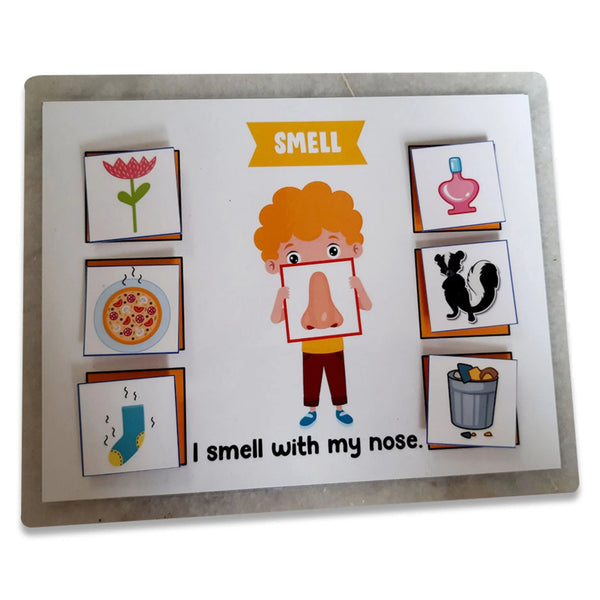
Look for how caregivers engage with children. Are they down at eye level, listening attentively, or are they constantly issuing commands? A Montessori-aligned environment emphasizes respect for the child, meaning interactions are gentle, explanations are offered, and children's autonomy is encouraged. For instance, observe if a child is allowed to choose an activity, like sorting Montessori-inspired activity kits, or if they are simply herded into group play.
Montessori Daycare Principles in Practice: A Vetting Guide
Understanding Montessori principles can significantly sharpen your childcare vetting tips in India. Maria Montessori observed that children have an innate drive to learn and explore, which manifests best in a "prepared environment." This means an environment that is safe, orderly, and equipped with developmentally appropriate materials that invite exploration and learning. It's not about expensive toys, but about thoughtful setup.
When visiting, look for:
- Child-Led Activity: Are children freely choosing activities and concentrating for sustained periods, or are they restless and waiting for instructions?
- Respectful Interaction: Do caregivers speak to children with patience and listen to their responses? Do they intervene to resolve conflicts by guiding, not simply scolding?
- Order and Accessibility: Are materials organized and easily accessible to children, empowering them to choose and return items independently? This fosters self-reliance, a core Montessori value.
- Freedom of Movement: Are children allowed to move freely, or are they confined to small spaces or constantly directed to sit?
Crucial Questions for Working Parents Childcare Choices
As working parents in India, your time is precious, making thorough vetting even more critical. Don't hesitate to ask specific, detailed questions. This isn't just about childcare vetting tips in India; it's about advocating for your child's well-being.
Consider these:
- "What is your approach to discipline? How do you handle a child who is struggling to share, for example?" (Listen for respectful guidance over punishment.)
- "How do you communicate with parents throughout the day? Do you provide daily updates, and what is the protocol for emergencies?"
- "What is the staff-to-child ratio, and what qualifications or training do your caregivers possess, especially regarding child development or first aid?"
- "How do you ensure each child's individual needs are met, particularly regarding feeding, sleeping, or cultural practices?"
The Power of Parental Intuition in Choosing Childcare India
Finally, trust your gut. Indian parents often have a strong intuition, sometimes influenced by grandparents' wisdom, about what feels right for their child. If something feels off during your visit, if the energy doesn't align with your child's needs, or if communication feels forced, pay attention to that feeling. It's often your subconscious processing countless subtle cues.
The Deccan Herald recently highlighted a Jammu pediatrician explaining common developmental red flags Indian parents miss. This underscores the need for parents to be attuned to their child's unique developmental pace and choose a setting that supports, rather than hinders, it. Remember, you are your child's first and most important advocate. Make a choice that truly resonates with your family's values and your child's blossoming spirit.