How to Raise Resilient Indian Kids: Montessori Summer Play
This summer, many urban Indian parents find themselves inadvertently trapped in snowplow parenting India, clearing every obstacle from their children's path. The result? Exhausted parents and children who struggle with boredom and lack the tools for purposeful engagement. From Bengaluru's bustling tech hubs to Mumbai's towering apartments, the pressure to ensure constant engagement often leads to an over-managed childhood.
You want your child to thrive, to be resilient, and to handle life's inevitable bumps with grace. This guide is your playbook. By embracing Montessori principles, you will discover how to empower your Indian child to navigate challenges independently, fostering resilience and bringing peace of mind to your summer.
- The Real Summer Struggle for Indian Parents
- Why Montessori Works for Urban Indian Families
- Montessori Steps to Nurture Resilience This Summer
- Common Pitfalls: Indian Parents and the Snowplow Trap
- Quick Start: One Thing You Can Do Today
The Real Summer Struggle for Indian Parents
The school gates are closed, and summer holidays are in full swing. For many urban Indian parents juggling careers and family, this period often becomes an intensive management exercise. The pressure to prevent boredom and ensure children are constantly stimulated fuels a cycle of scheduled activities and screen time.
This highlights a growing phenomenon: snowplow parenting. Publications like India Today have noted the 'snowplow parenting syndrome,' where Indian parents hesitate to let kids struggle. Similarly, the recent Hindustan Times article on a child's 'vandalism' on an IndiGo flight sparked debate over modern Indian parenting styles, revealing anxieties around constant adult intervention.
Snowplow parenting is the tendency for parents to proactively remove all challenges, discomforts, or struggles from their children's lives. This matters because it hinders the development of crucial problem-solving skills, resilience, and a sense of self-efficacy in the Indian context, where children often face unique academic and social pressures. Parents can adopt Montessori principles to allow children healthy struggle, fostering true independence.
Cultural nuances, as discussed in a Times of India piece comparing Indian and US parenting, often lead to greater protection and collective responsibility within Indian families. While well-intentioned, this can inadvertently stifle a child's natural drive for independence and their ability to cope with minor setbacks independently. There is a powerful alternative.
Why Montessori Works for Urban Indian Families
Montessori education, founded by Dr. Maria Montessori, respects a child’s innate capacity for self-directed learning. This approach is profoundly effective for modern Indian families seeking to foster independence in children and build Montessori resilience kids. It offers a powerful alternative to prevailing overprotective parenting solutions.
In a society with immense academic pressure, Montessori cultivates intrinsic motivation and a love for learning, rather than rote memorisation. It champions learning through struggle, where children explore, do, and discover independently. This prepares children not just for school, but for life itself, equipping them with adaptable problem-solving skills crucial in dynamic cities like Delhi or Chennai.
The emphasis on practical life skills also complements multi-generational Indian households. Children aged 18-24 months can learn to pour water, sweep, or dress themselves. This builds self-confidence, reduces dependency, and fosters a sense of belonging within a joint family setup.
Montessori Steps to Nurture Resilience This Summer
Shifting from snowplow parenting to a Montessori-inspired approach doesn't require a complete overhaul; it’s about making mindful, actionable changes. Here’s how you can empower your child to build lasting resilience this summer.
Observe, Don't Over-Intervene (The Art of 'Wait and Watch')
Your primary role is to observe. When your child is engaged with an activity kit, building with blocks, or attempting to put on their own sandals, resist the urge to jump in immediately. Give them space to figure it out. If your toddler struggles with a puzzle, let them try different angles before offering a gentle, slow demonstration. This small allowance for struggle builds their problem-solving muscle and belief in their own capabilities.
Create a 'Prepared Environment' for Independent Play
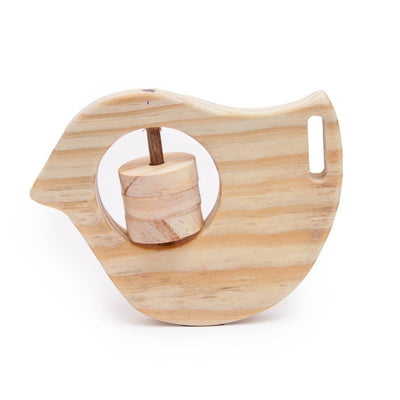
The 'prepared environment' is a child-friendly space that promotes exploration. This summer, designate a corner in your Bengaluru 2BHK or Delhi apartment where age-appropriate materials are easily accessible. Think low shelves, a child-sized table, and organised trays. Curate quality wooden toys or specific Montessori materials like the Pink Tower or practical life tools from our main collection. This setup encourages independent play and allows children, even a 2-year-old in India, to choose their work purposefully, reducing reliance on adult direction and preventing summer boredom.
Embrace Productive Failure and Natural Consequences
Resilience is forged through navigating setbacks. If your child tries to carry too many blocks and they tumble, resist saying, "I told you so." Instead, let them experience the natural consequence – they need to pick them up themselves. If they spill water while pouring, they learn to wipe it. These small failures are invaluable learning opportunities, teaching cause and effect and the importance of perseverance. Research shows that children allowed appropriate challenges develop stronger executive function skills, central to 'learning through struggle'.
Empowering Independence with Practical Life Skills
Summer is an excellent time to introduce and reinforce practical life skills. Involve your 3-6 year old in tasks like watering plants, helping to fold laundry, preparing simple snacks, or setting the table for family meals. These activities provide a sense of purpose and belonging, especially valued in Indian family structures. They also refine fine motor skills and concentration, laying groundwork for future academic success without formal 'learning' pressure.
Common Pitfalls: Indian Parents and the Snowplow Trap
Understanding the pitfalls of overprotective parenting is crucial. A significant challenge for urban Indian parents is the societal pressure to protect children from any difficulty, often stemming from deep love. This can manifest as doing homework for them, constantly mediating conflicts, or shielding them from disappointment.
Well-meaning grandparents, a beautiful aspect of many Indian households, can sometimes inadvertently reinforce snowplow tendencies. Their affection often translates into a desire to pamper and protect, making it challenging for parents to implement strategies involving healthy struggle. Open communication and involving them in the Montessori approach can bridge this gap.
A 2018 study published in the Journal of Child and Family Studies found that children of overprotective parents reported lower life satisfaction and higher rates of anxiety and depression. Furthermore, a longitudinal study by the University of Virginia indicates that parental over-involvement in early childhood predicts lower self-reliance and academic success in adolescence. These findings underscore the critical need for empowering children to face challenges.
Quick Start: One Thing You Can Do Today
Ready to start? Pick one small, actionable step now. Today, when your child is engaged in an activity, pause before you intervene. Watch for 60 seconds. Let them try, even if they fumble. If they’re struggling to open a jar of homemade pickle, resist the urge to do it for them. Offer a suggestion, "Twist harder, maybe?" or demonstrate slowly, then step back. This simple act of observing and allowing space for healthy struggle is your first step towards fostering incredible resilience this summer.
Frequently Asked Questions About Montessori Resilience
What if my child gets frustrated and gives up easily?
Frustration is a natural part of learning. Offer quiet encouragement and remind them that trying is important. Avoid solving the problem for them immediately, instead, ask guiding questions like, 'What could you try next?' or 'Let's think about this together.'
Can I introduce Montessori principles if my child is older than a toddler?
Absolutely. Montessori principles are adaptable for all ages. Focus on fostering independence, respect for the child, and providing opportunities for purposeful work. Even older children benefit from a prepared environment and learning through self-correction.
How do I deal with well-meaning grandparents who tend to 'help' constantly?
Have an open, respectful conversation explaining your approach to fostering independence. Share articles or examples of how healthy struggle benefits children. Involve them by suggesting specific ways they can 'help' by observing or setting up activities, rather than doing for the child.
Is it okay if my child doesn't use Montessori materials 'correctly' at first?
Yes, exploration is key. Montessori materials are designed for self-correction, so allow your child to experiment. Gently demonstrate the intended use later, but prioritize their engagement and discovery over strict adherence to the 'correct' method initially.
How can I balance structured learning with independent play during summer holidays?
Create a daily rhythm that includes dedicated blocks for both. For example, mornings for structured activities (reading, a specific craft) and afternoons for open-ended, independent play using materials from a prepared environment. Flexibility is crucial during summer.
Key Takeaways for a Resilient Summer
- Snowplow parenting, common in India due to cultural factors and academic pressure, can hinder a child's development of essential life skills.
- Dr. Maria Montessori's philosophy of child-led learning and respect for the child's innate capabilities directly combats overprotective tendencies, fostering independence and problem-solving.
- Implementing a 'prepared environment' with accessible Montessori materials significantly boosts a child's ability to engage in purposeful, independent play.
- Allowing children to experience healthy struggle and natural consequences, rather than immediate intervention, is crucial for building genuine resilience and self-efficacy.
- Studies indicate that overprotective parenting can lead to lower life satisfaction, increased anxiety, and reduced self-reliance in children, underscoring the importance of empowering independence.