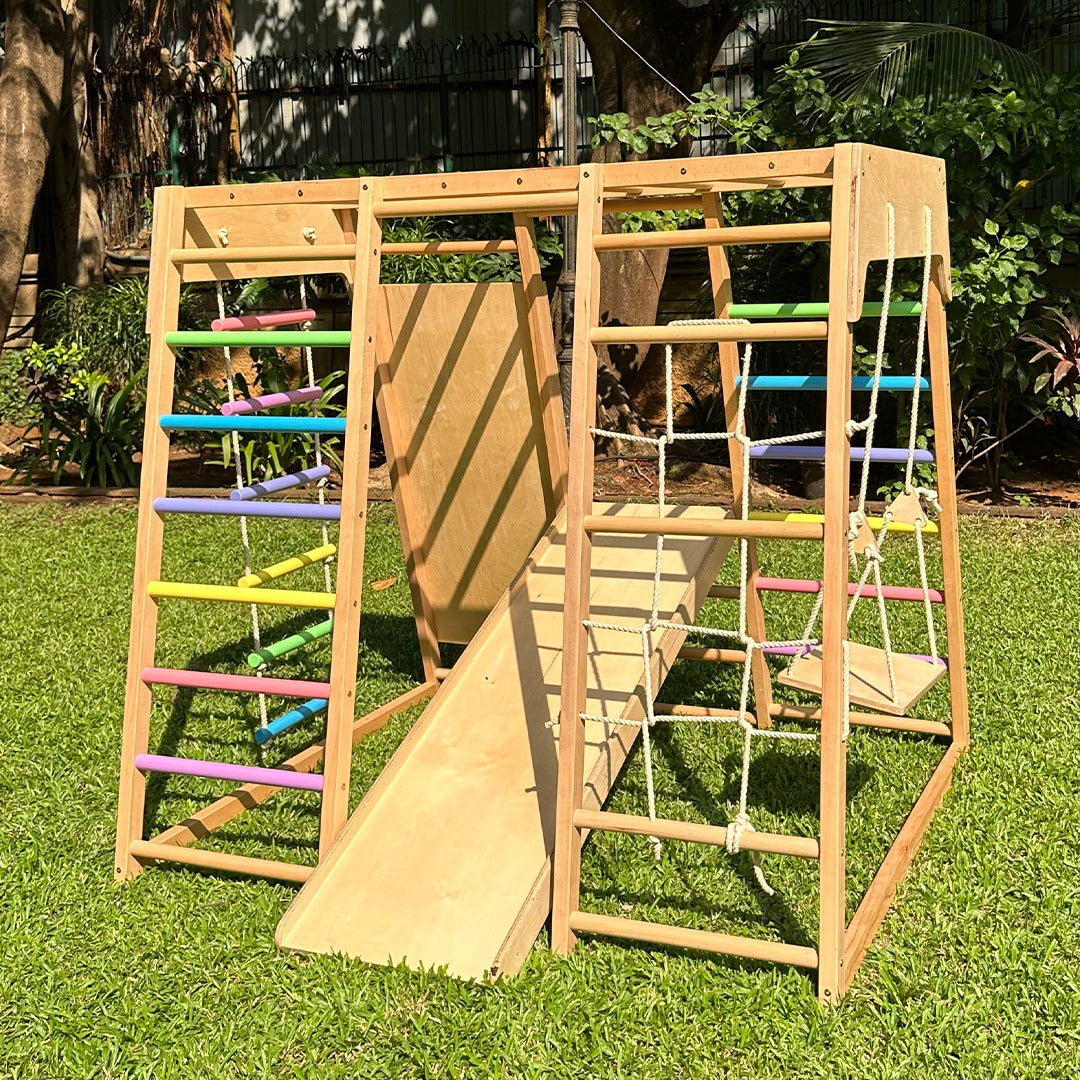
Remember those monsoon evenings when we'd rush out, paper boats in hand, watching them sail down the overflowing gutters, feeling that exhilarating connection to nature's raw power? Or the simple joy of plucking fresh curry leaves from the backyard plant for dinner? For generations, Indian life has been intimately woven with the rhythms of the earth. We've had a cultural reverence for 'Prakriti' – Mother Nature – ingrained in our stories, our festivals, and our daily rituals. Yet, somewhere along the way, amidst the rush of modern living and urban sprawl, that tangible connection seems to have blurred for our children.
Today, as we grapple with headlines about air quality, water scarcity, and plastic mountains, many of us parents are feeling a profound tug. We want our children not just to understand these issues theoretically, but to grow up with a deep, intuitive respect for the environment – an 'eco-heart' that guides their choices. This isn't about grand gestures or radical lifestyle changes overnight. It's about small, consistent steps, woven into the fabric of our Indian homes, that teach our little ones to be mindful caretakers of our precious planet.
Planting Seeds of Mindfulness: Why Now More Than Ever?
Our children are growing up in a vastly different world than we did. Their playgrounds might be concrete jungles, their exposure to nature often limited to school trips or holiday resorts. But the challenges facing our environment are undeniable, and empowering them with solutions and a sense of agency is crucial. It's about building a future where they don't just inherit problems, but also the wisdom and tools to solve them.
Moreover, teaching environmental consciousness aligns beautifully with our traditional Indian values of 'aparigraha' (non-possessiveness), 'saucha' (cleanliness), and 'ahimsa' (non-violence, extending to all living beings). It's about reviving an ancient wisdom through a modern lens, showing our children that caring for the earth isn't just a trend, but a timeless virtue.
Everyday Lessons for Little Eco-Warriors
So, how do we begin? It starts right here, in our homes, with the choices we make and the conversations we have around the dinner table. Forget complex theories; focus on practical, relatable actions.
The Power of Reduce, Reuse, Recycle, with an Indian Twist
We've all heard the mantra, but how does it look in a bustling Indian household? Instead of buying new plastic bottles for school, invest in sturdy steel 'dabbas' and water bottles. When that favourite shirt gets too small, instead of discarding it, can it be repurposed into a cleaning cloth, or perhaps given to someone who needs it? Our grandmothers were masters of 'jugaad' – creative resourcefulness. Can we mend a broken toy instead of replacing it? Encourage your child to participate in sorting waste, explaining where the dry waste (paper, plastic) goes versus wet waste (food scraps for composting). It's not just about bins; it's about understanding the journey of our trash.
Water Wisdom: A Drop Saved is a Future Secured
Water scarcity is a stark reality in many parts of India. Teaching mindful water usage isn't just a good habit; it's a life skill. Encourage quick showers instead of long baths. Turn off the tap while brushing teeth – a simple act that saves gallons. Can the water used to rinse vegetables be used to water the plants? During festivals like Holi, we can discuss alternatives to excessive water use, perhaps opting for organic colours and dry celebrations. Make it a family challenge: how much water can we save this week?
Energy Efficiency: Small Actions, Big Impact
The constant hum of air conditioners, the glow of multiple lights – energy consumption is high. Involve your child in switching off lights and fans when leaving a room. Explain why turning off the TV at the plug point saves power. Perhaps spend an evening under the stars on your balcony, enjoying the natural breeze, and talking about how our electricity comes from resources that need protecting. Even choosing energy-efficient appliances when possible, and explaining why, can be a valuable lesson.
Respecting Our Food: From Plate to Planet
Food waste is a significant global issue, and it's particularly relevant in our culture where abundance at celebrations can sometimes lead to excess. Teach your child the value of food. Encourage them to take only what they can eat. Involve them in meal planning and grocery shopping, explaining how we choose fresh, seasonal produce. If you have a small garden or even a balcony, try composting food scraps – it's a magical way to turn waste into nourishment for plants, and children absolutely love seeing this transformation!
Connecting with Nature: Beyond the Concrete
The most profound environmental lessons often come from direct experience. Take your children to local parks, botanical gardens, or even just observe the trees on your street. Point out birds, insects, and different types of leaves. If you have space, start a small kitchen garden together – growing a 'tulsi' plant, some herbs, or even just sprouts in a pot can be incredibly rewarding. It teaches patience, responsibility, and the miracle of life. These hands-on experiences foster a love and respect that no textbook can replicate.
Leading by Example, Learning Together
Ultimately, our children learn by watching us. Our actions speak louder than any lecture. If we carry our own cloth bags to the market, they will too. If we appreciate the rain and respect the trees, they will too. It's about cultivating a mindset where sustainability isn't a chore, but a natural extension of our care for ourselves, our family, and our shared home – planet Earth.
This journey isn't about perfection; it's about conscious choices, consistent effort, and a shared understanding that every small step contributes to a bigger, healthier picture. Let's empower our little ones to become thoughtful stewards of the earth, ensuring a vibrant legacy for generations to come.
As we nurture an eco-heart in our children, encouraging them to understand and interact with the natural world, quality playtime becomes even more important. SkilloToys offers a range of safe, educational, and sustainable play-based learning toys that connect children to their environment through imaginative and hands-on experiences. Explore how SkilloToys.com can help foster curiosity and a love for our planet in your little ones with toys that inspire responsible play.