Toddler Rave India: Mindful Fun, Montessori Way
The recent chatter about India's first 'toddler rave' in Bengaluru has certainly sparked conversations among urban Indian parents. While the idea of a vibrant, music-filled event for our little ones sounds exciting, it also raises important questions: Are we offering truly mindful entertainment, or risking overstimulation for our toddlers? SkilloToys, India's leading Montessori educational toys store, believes in choosing purposeful play that nurtures a child's developing mind.
A toddler rave is an event designed for young children and their parents, featuring music, dancing, and light shows, often in a high-energy setting. This matters because while it offers novelty and a shared experience, the intense sensory input can potentially overwhelm a child's still-developing nervous system. Indian parents can explore alternatives that provide enriching experiences without the risk of overstimulation, aligning with principles of mindful development.
The Buzz Around High-Energy Play: Is it Too Much for Our Chhote Nawaabs?
As urban parents, we're constantly balancing our professional lives with the desire to give our children the best experiences. The allure of high-energy events, like the recent toddler rave India witnessed, is understandable – a chance for kids to let loose, for parents to socialize, and a break from the usual routine. But the question remains: is this truly what our toddlers need for optimal development?
Child development experts consistently highlight the delicate nature of a young child's brain. Research shows that excessive sensory input can be counterproductive, leading to what is known as overstimulation. Instead of fostering engagement, it can create a state of overwhelm where the child struggles to process information and regulate emotions.
Beyond the Noise: Understanding Overstimulation in Young Children
Imagine your little Anya, typically cheerful, becoming unusually cranky and unable to settle after a visit to a crowded mall or a loud family wedding. This is a common scenario for many Indian parents, often a sign of overstimulation children experience. Their developing brains are simply not equipped to filter and process the sheer volume of sights, sounds, and sensations that adults take in stride.
Symptoms can range from increased irritability and difficulty concentrating to sleep disturbances and even heightened anxiety. The American Academy of Pediatrics recommends creating environments that support calm focus and self-directed activity, rather than passive consumption of intense stimuli. When a child is constantly reacting to external noise, their capacity for internal thought and problem-solving can be underdeveloped.
Montessori Play for Urban Kids: A Path to Mindful Entertainment
This is where Montessori principles offer a powerful counter-narrative, advocating for mindful entertainment for toddlers. Maria Montessori believed in preparing an environment that is calm, ordered, and responsive to a child's innate developmental needs. This means choosing activities and settings that encourage purposeful engagement and self-discovery, rather than just passive reception.
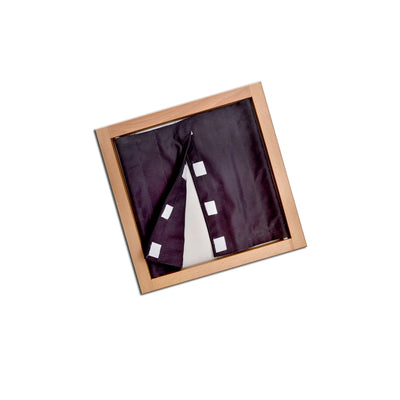
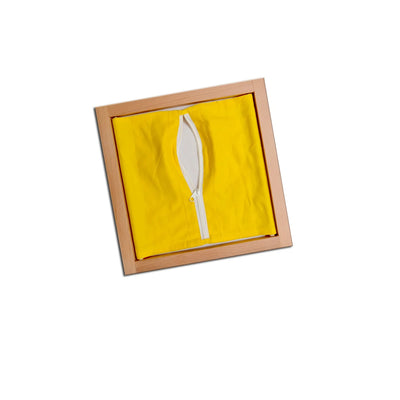
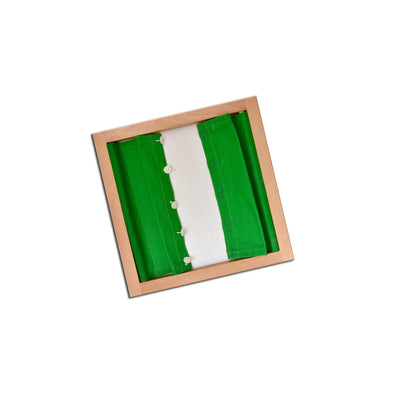
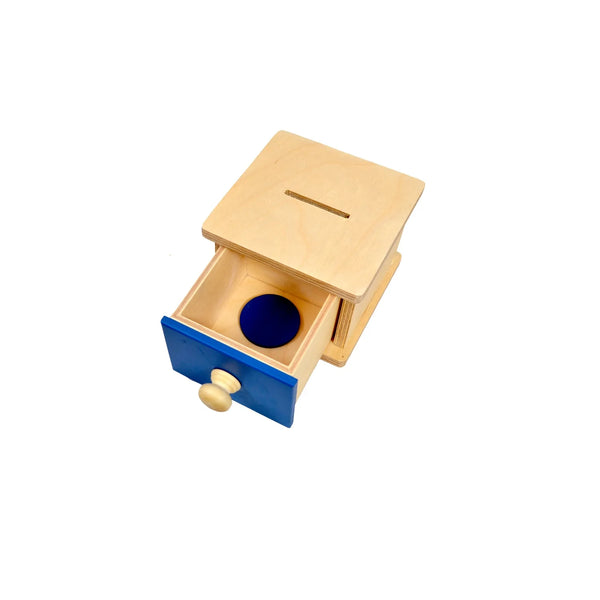
Instead of flashing lights and loud music, imagine your child engrossed in a sorting activity, feeling the texture of grains, or carefully pouring water from one jug to another. These are not just play; they are profound learning experiences that build concentration, fine motor skills, and a sense of accomplishment. SkilloToys offers a range of Montessori activity kits that are designed to do exactly this.
Creating a Calm Corner: Practical Montessori Ideas for Indian Homes
Living in urban India often means compact spaces, and sometimes, the presence of an extended family. Yet, creating a Montessori-inspired 'prepared environment' is entirely achievable. Dedicate a small, clutter-free corner where your toddler's materials are easily accessible on low shelves.
Focus on practical life activities using everyday items: let them help pick lentils (dali) from rice, stir a small bowl of water with a spoon, or dust a low shelf. These activities, often reminiscent of what our grandparents taught us, offer immense satisfaction and develop crucial coordination and independence. The beauty lies in the simplicity and the child's ability to repeat tasks until mastered.
Purposeful Engagement: Educational Experiences for Toddlers in India
For toddlers in India, educational experiences shouldn't always involve structured classes or high-tech gadgets. True learning happens when children are actively engaged with their environment and materials that invite exploration. This is why open-ended materials like Montessori wooden blocks and puzzles are invaluable.
They don't dictate how a child should play, but rather allow for creativity, problem-solving, and imaginative construction. Beyond home, consider quiet visits to a local park to observe nature, attending traditional storytelling sessions (Katha Vachan), or engaging in simple art and craft activities that foster sensory exploration without overstimulation. The focus is on the process, not just the outcome.
Alternatives to the Toddler Rave: Choices that Nurture
If you're looking for vibrant experiences that genuinely benefit your toddler, there are many mindful alternatives to toddler rave events. Explore local children's libraries for interactive story times, attend community garden projects where children can touch and feel the earth, or visit child-friendly museums that offer tactile exhibits designed for little hands.
Consider music classes that encourage active participation with simple instruments rather than passive listening to loud beats. The key is to observe your child's cues, choosing environments that allow them to explore, learn, and grow at their own pace, fostering inner calm and concentration over fleeting excitement. Your little one's developing mind thrives on purposeful engagement, not just sensory overload.