Bringing India Home: Montessori Cultural Studies
India is a vibrant tapestry of cultures, languages, and traditions. For Indian parents who choose to homeschool, the opportunity to immerse their children in this rich heritage is truly special. But how do we do it effectively, especially with little ones aged 0-6 years? The Montessori approach provides a wonderful framework for weaving cultural studies for Indian homeschoolers into daily life, fostering a deep love and understanding of our roots.
Montessori Cultural Studies are an integral part of Dr. Maria Montessori's educational philosophy, designed to introduce children to the world around them – its people, geography, history, and customs. This works because it moves from the concrete to the abstract, starting with what a child can see and touch in their immediate environment and gradually expanding their understanding. Parents can integrate these studies by creating a prepared environment that reflects their family's culture and then gently introducing concepts of the wider world through stories, materials, and real-life experiences.
Laying the Foundations: Everyday Indian Life
Before exploring the world, a child first understands their immediate surroundings. For an Indian homeschooler, this means embracing the everyday rhythms and rituals of an Indian home. Involve your child in practical life activities like preparing simple Indian snacks (mixing dough for rotis, peeling peas for sabzi), arranging a puja thali, or folding laundry (sarees or kurtas!). These activities not only build independence and coordination but also connect them to daily life and family traditions.
Sensorial experiences are another powerful way to introduce culture. Think about the textures of different Indian fabrics – silk, cotton, khadi. Introduce the distinct aromas of Indian spices like cardamom, cinnamon, and cloves (under supervision, of course!). These hands-on experiences are foundational for child development in India, engaging their senses and building a rich vocabulary around their heritage.
Exploring Our Land: Geography and History
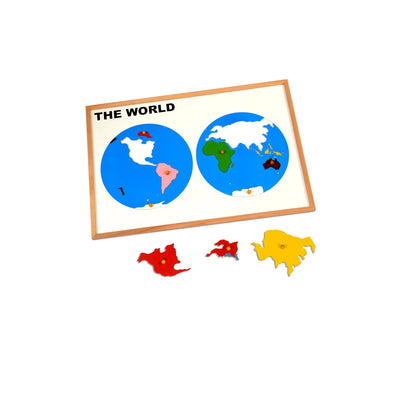
India's geography is as diverse as its people. Introduce your child to the map of India using a wooden puzzle map or by drawing one on the floor with chalk. Point out your state, then neighbouring states, discussing different landscapes – the Himalayas, the Thar Desert, the coastal plains. SkilloToys offers fantastic Montessori geography materials that can make this exploration truly engaging for little hands and curious minds.
History, for young children, often begins with stories. Narrate tales from the Ramayana or Mahabharata, or folk stories like those of Birbal or Tenali Rama. Discuss significant Indian festivals and their origins – Diwali's triumph of light over darkness, Holi's colours of joy, or the community spirit of Eid and Christmas. These narratives lay the groundwork for understanding our shared past and foster a sense of belonging.
Celebrating Our Heritage: Art, Music, and Festivals
Art and music are vibrant expressions of Indian culture. Encourage your child to explore traditional Indian art forms like rangoli (using coloured rice or flower petals), Warli painting (simple geometric shapes), or even making small clay diyas. Play Indian classical music, folk tunes, or devotional songs in the background during playtime. Many Indian families have grandparents living with them, and they are often a treasure trove of songs, stories, and traditional crafts – encourage this intergenerational learning!
Celebrating festivals is perhaps the most immersive way to experience culture. Involve your child in the preparations – making sweets, decorating the home, choosing clothes. Even in small apartments, you can create a festive atmosphere. These Montessori learning activities are not just fun; they teach about community, values, and the rich tapestry of Indian life.
Bringing it Home: Creating a Culturally Rich Environment
The Montessori principle of a 'prepared environment' is key. For Montessori at home India, this means thoughtfully curating your child's space. Display pictures of Indian landscapes, famous monuments, or traditional art. Have a small collection of books featuring Indian stories and characters. Use local, natural materials where possible – bamboo baskets for storage, fabric scraps for crafting, or pebbles collected from a walk.
Language & Literature: The Indian Way
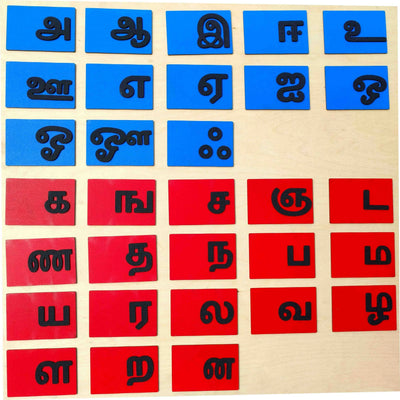
India is a land of many languages. If your family speaks multiple Indian languages, expose your child to them naturally through conversation, songs, and books. Even if you speak primarily one, introduce simple words or phrases from others. The Montessori method learning materials like the movable alphabet can be adapted for Indian scripts, helping children build early literacy skills in their native tongue(s).
Engaging with the Community: Real-World Montessori
Take your child to a local market to see different fruits, vegetables, and spices. Visit a temple, mosque, gurudwara, or church to experience different places of worship and community gatherings. Attend local cultural performances or festivals. These real-world excursions provide invaluable learning experiences beyond the home. Look for opportunities to engage with local artisans or participate in community events. Simple educational toys for toddlers, like pretend play sets featuring Indian street vendors or kitchens, can further extend these experiences at home.
Key Takeaways for Montessori Cultural Studies at Home
- **Start Local:** Begin cultural exploration with your family's immediate traditions and everyday Indian life.
- **Hands-On Learning:** Utilize practical life and sensorial activities to engage children with Indian culture.
- **Integrate Geography & History:** Use maps, stories, and festival origins to teach about India's diverse land and past.
- **Celebrate Arts & Festivals:** Incorporate traditional Indian art, music, and festival celebrations into your routine.
- **Curate a Prepared Environment:** Design your home to reflect and celebrate Indian heritage using local materials and resources.
- **Embrace Multilingualism:** Introduce children to various Indian languages through natural exposure and Montessori materials.
- **Community Engagement:** Extend learning beyond the home through visits to local markets, cultural sites, and events.
Frequently Asked Questions about Montessori Cultural Studies
At what age can I start cultural studies with my child?
You can begin introducing cultural elements from birth! For infants and toddlers (0-3 years), this means sensory experiences like tasting Indian foods, listening to traditional music, and feeling different fabrics. For preschoolers (3-6 years), you can introduce more structured activities like geography puzzles, historical stories, and cultural art projects.
Do I need special Montessori materials for Indian cultural studies?
While SkilloToys offers excellent Montessori materials, you don't always need specialized items. Many cultural studies can be done with everyday household items, local crafts, and natural elements. The key is to be observant of your surroundings and adapt activities to suit your child's interest and developmental stage, using local resources whenever possible.
How can I adapt these activities if we live in a small apartment?
Small spaces are common in India, and the Montessori approach is highly adaptable. Focus on creating a designated 'cultural corner' with a few carefully chosen items rather than spreading things out. Utilize vertical space with shelves, and choose activities that can be easily set up and packed away, such as a small mat for a geography puzzle or a tray for a rangoli activity.
My family is multicultural. How can I incorporate both Indian and other cultures?
Embrace both! You can dedicate different weeks or months to exploring each culture, or integrate them simultaneously. For example, have books and music from both cultures readily available. Celebrate festivals from all your family's backgrounds. The Montessori approach encourages understanding and respect for all cultures, making it ideal for multicultural families.
Embracing cultural studies in your Indian Montessori homeschooling journey is a beautiful way to connect your child to their heritage and the world. With a little creativity and the right resources, you can nurture a global citizen with a strong sense of self. Explore our full range of Montessori method learning materials at SkilloToys.com to support your child's holistic development.