Calm-Down Corner the Montessori Way for Toddlers
Toddlerhood is a whirlwind of new discoveries, joyful leaps, and, let's be honest, those occasional dramatic emotional outbursts that can leave both children and parents feeling overwhelmed. In the vibrant, often bustling, landscape of an Indian home – be it a close-knit joint family or a modern, compact apartment in Bengaluru – finding effective, nurturing ways to navigate these big emotions is paramount. This is precisely where understanding and creating a calm-down corner the Montessori way for toddlers can become a true game-changer, offering a peaceful sanctuary for self-regulation amidst life's everyday adventures.
What is a Montessori Calm-Down Corner?
So, what precisely defines a Montessori calm-down corner? It is a carefully prepared, child-centric space within your home, thoughtfully designed to empower young children to independently process their overwhelming emotions and gently guide themselves back to a state of equilibrium. This effective approach is deeply rooted in Maria Montessori's profound philosophy, which reveres the child as a capable individual, inherently equipped for self-correction and inner direction when provided with the appropriate tools and the freedom to use them. Parents can proactively establish this corner as an inviting, positive area dedicated to quiet introspection and emotional release, ensuring it is never perceived or utilized as a punitive "timeout" spot. Instead, it serves as a powerful instrument for fostering crucial emotional intelligence and self-awareness from an early age.
Designing Your Peaceful Nook: An Indian Home Perspective
Creating a serene calm-down corner doesn't demand an entire room; even a snug nook, a quiet corner in the living area, or a space adjacent to a window can be beautifully transformed. The core principle is accessibility; the corner must be effortlessly reachable for your toddler to independently choose and retreat to. In the context of an Indian home, this might translate to a soft, hand-woven cotton mat (perhaps from a local artisan), a comfortable floor cushion, or even a small, child-friendly gaddi. Consider adding a light, sheer curtain or a small, breathable tent to provide a gentle sense of enclosure and privacy, allowing your child to feel cocooned without being isolated. The aim is to craft a space that feels deeply personal, comforting, and utterly safe, a tranquil haven away from the usual household hustle, perhaps even where a grandparent might gently read a story.
Essential Elements for a Montessori Calm-Down Corner
The careful selection of materials is paramount; they should actively encourage quiet contemplation and aid in sensory regulation, aligning with Montessori learning activities. Here are some thoughtful suggestions:
- Comfortable & Inviting Seating: A plush floor cushion, a soft bean bag, or a sturdy, child-sized wooden chair invites a sense of calm and stability.
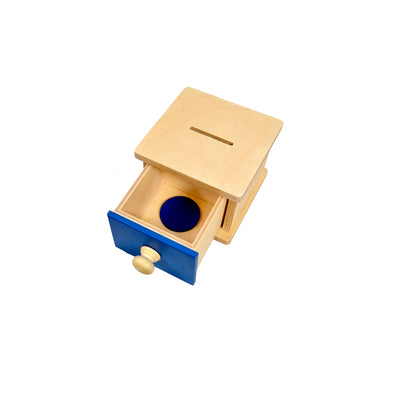
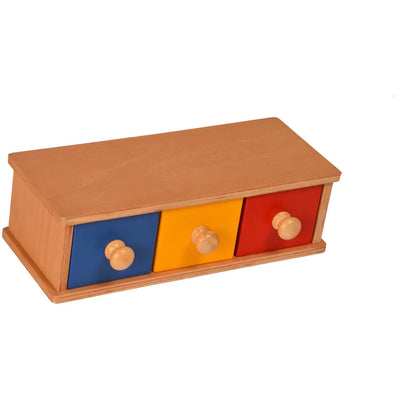
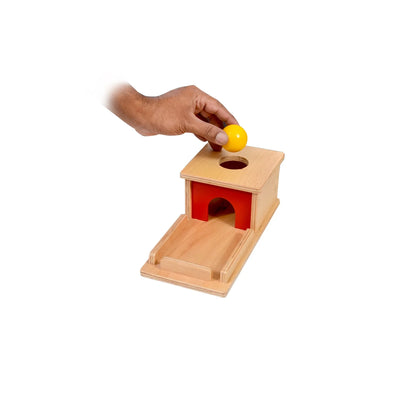
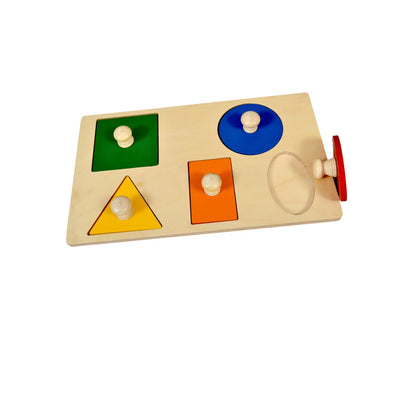
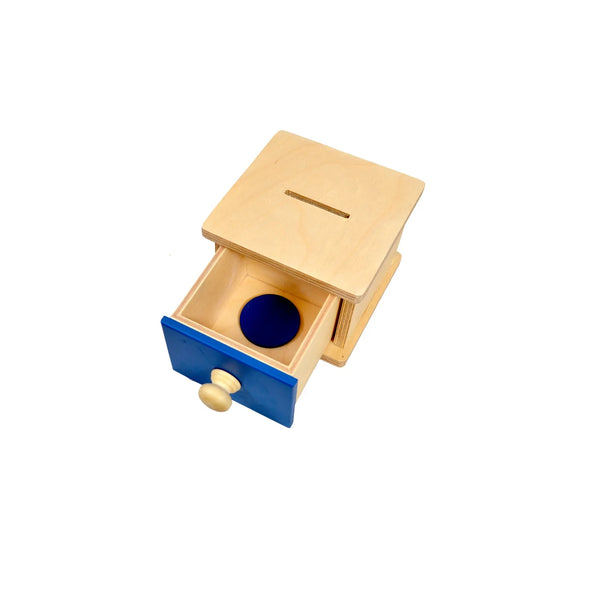
- Calming Sensory Tools: Introduce items like a small stress ball, a visually engaging "calm-down jar" (filled with water, glitter, and a touch of glue), or a soft, weighted lap pad. These provide gentle proprioceptive and visual input, which can be profoundly soothing for an overwhelmed toddler. SkilloToys offers a range of carefully curated Montessori materials for toddlers that are perfect for fostering sensory development and emotional balance.
- Quiet, Engaging Activities: Include simple, open-ended activities such as small wooden stacking blocks, lacing beads, or a basket containing chunky crayons and paper for focused drawing. These purposeful tasks effectively redirect a child's intense energy into constructive, quiet work.
- Books on Emotions & Stories: A thoughtfully chosen collection of board books that gently explore feelings like happiness, anger, or sadness, alongside simple stories celebrating family bonds or Indian festivals, can help children articulate their own experiences and feel understood.
- Natural Elements: Incorporating a small, child-safe potted plant (like a money plant), a collection of smooth, river-worn stones, or a natural fibre rug can subtly connect the child to nature. This connection is inherently grounding and contributes to a sense of peace, vital for robust child development India.
Crucially, keep the selection minimal and purposeful. Regularly rotate items to maintain your child's interest and prevent the space from becoming cluttered or overstimulating.
Guiding Your Child Towards Self-Regulation
Introducing the calm-down corner to your child requires immense patience, empathy, and clear communication. Present it to them proactively during a calm moment, explaining its purpose as their special sanctuary for quiet time – emphatically stating it is not a punishment zone. Model how to gently use the materials and underscore that it's a space they can choose to retreat to whenever they feel big emotions swirling. For parents committed to Montessori at home India, consistency in messaging and modeling is paramount. When a strong emotion or meltdown arises, you can gently guide your child towards the corner, or simply remind them of its availability, always respecting their autonomy and never forcing them into the space. By observing how your child interacts with the corner, you can continually adapt the materials to best suit their evolving needs and preferences, truly supporting their journey of self-discovery and emotional competence.
Beyond the Corner: Integrating Montessori Principles into Daily Life
The calm-down corner, while powerful, is ultimately a beautiful extension of the broader Montessori philosophy: creating a prepared environment that consistently nurtures a child's independence, inner discipline, and self-esteem. This holistic approach seamlessly integrates with offering other educational toys for toddlers that encourage focused, purposeful play and problem-solving, thereby strengthening their resilience. From involving them in simple household chores – like tidying their own activity mat – to participating in family rituals or engaging in quiet conversations with elders, every interaction and every thoughtfully chosen material contributes significantly to their holistic emotional and cognitive growth. This commitment to a child's complete development is a cornerstone of effective Montessori learning activities.
In essence, establishing a calm-down corner is a profound gift of self-awareness and emotional resilience that you bestow upon your child. It teaches them the invaluable lesson that all their feelings are valid, and critically, that they possess the innate strength and tools to navigate these emotions constructively. By thoughtfully creating and introducing this nurturing space, you are actively laying a robust foundation for their lifelong emotional well-being. For further guidance and access to a meticulously curated range of authentic Montessori and educational materials designed for the Indian context, do visit SkilloToys.com, India's leading destination for enriching developmental toys.