Children Learn Best Through Hands: The Montessori Science
Observe any young child, especially those between 0-6 years, and you'll notice their innate curiosity drives them to reach, grasp, and manipulate almost anything. This isn't just adorable; it's a profound window into how children learn best through their hands. The Montessori method, championed by Dr. Maria Montessori over a century ago, is built on this very scientific observation, recognising the hand as the primary instrument of the mind.
So, what exactly does 'learning through hands' mean in a Montessori context? It refers to the idea that children acquire knowledge and develop understanding by actively engaging with their environment through touch, movement, and manipulation of concrete materials. This active, sensory experience forms a deeper, more lasting connection with concepts than simply listening or watching.
The Science Says: Sensory Exploration is Key
The human brain develops at an astonishing rate during the early years. From birth to age six, millions of neural connections are forming, laying the groundwork for all future learning. Dr. Maria Montessori observed that these connections are significantly strengthened through purposeful, sensory engagement. When a child touches, feels, lifts, and sorts, multiple parts of their brain light up and work together.
Think about how your child interacts with objects. They don't just see a block; they feel its weight, its texture, its coolness. They might bring it to their mouth, tap it, or try to stack it. Each interaction is a data point, feeding their brain with information that builds their understanding of the world. This multi-sensory input is crucial for holistic child development in India and across the globe.
Why Hands-On Learning Matters for Your Child's Brain
Hands-on learning is the process where children actively manipulate objects and materials to understand abstract concepts. This works because it engages multiple senses and motor pathways, solidifying learning in the brain far more effectively than passive observation. Parents can provide open-ended materials and encourage exploration at home, fostering critical thinking and problem-solving skills from a young age.
Manipulating objects refines both fine motor skills (like gripping a crayon or picking up small beads) and gross motor skills (like balancing while carrying a tray). These aren't just physical skills; they're directly linked to cognitive development. As children practice these actions, their brain learns to coordinate, plan, and execute, building a strong foundation for reading, writing, and logical thought.
Montessori at Home India: Practical Ways to Nurture Learning
You don't need a dedicated Montessori classroom to embrace hands-on learning. Indian homes, with their vibrant culture and everyday activities, offer countless opportunities. In a joint family setting, children can learn by helping grandparents sort vegetables or arrange puja items. Even in smaller apartments, simple tasks become powerful Montessori learning activities.
Consider everyday kitchen items. Children can sort different kinds of dals (toor, moong, chana) into bowls, or transfer water using small pitchers — activities that hone concentration and fine motor control. Our Montessori Sensorial Materials offer structured versions of these explorations, designed to isolate qualities like size, shape, and texture, but the essence can be found right at home.
Choosing Educational Toys for Toddlers: Beyond the Screen
In a world full of screens, choosing meaningful educational toys for toddlers becomes paramount. Montessori principles advocate for toys that are self-correcting, made from natural materials, and encourage active engagement rather than passive entertainment. Instead of flashy gadgets, think simple, beautiful objects that invite manipulation and discovery.
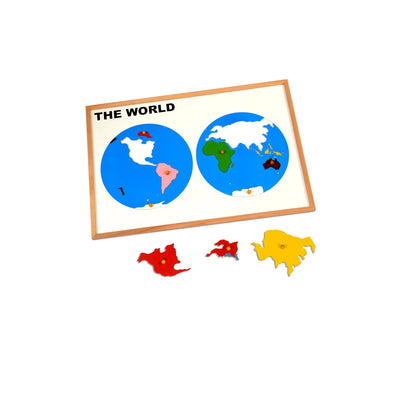
Blocks, puzzles, shape sorters, and stacking rings are classic examples that promote problem-solving, spatial awareness, and fine motor skills. These toys allow children to learn by doing, experiencing cause and effect firsthand. They are designed to foster concentration and a sense of accomplishment, unlike screen-based activities that often overstimulate without deep engagement.
Developing Independence Through Hands-On Tasks
One of the beautiful outcomes of hands-on learning is the development of independence and self-confidence. When children are allowed to button their own clothes, pour their own water, or sweep up a small spill, they gain a sense of capability. This isn't just about practical life skills; it's about fostering an 'I can do it!' attitude.
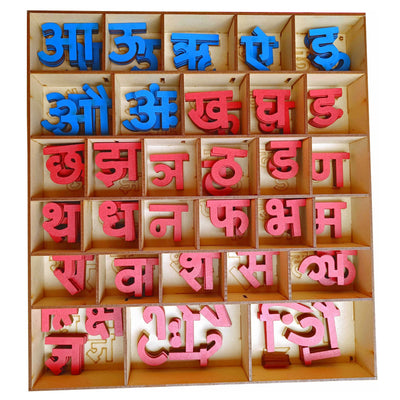
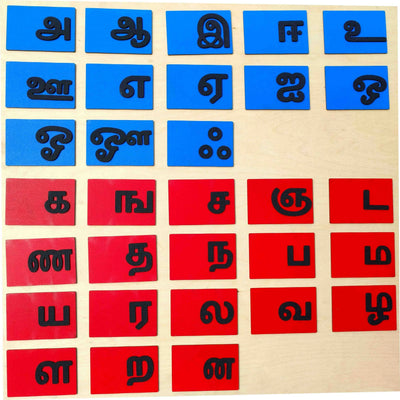
The Montessori environment is carefully prepared to allow children to engage in such purposeful work. Materials like the Pink Tower for understanding dimension, or Sandpaper Letters for pre-reading skills, are designed for independent exploration. This approach to child development in India supports children in becoming self-reliant, confident individuals, ready to contribute meaningfully to their families and communities.
Key Takeaways for Parents
- The Hand is the Instrument of the Mind: Children learn deeply by touching, manipulating, and exploring their environment.
- Sensory Input Fuels Brain Development: Multi-sensory experiences during 0-6 years build crucial neural connections for future learning.
- Practical Life Skills are Learning Opportunities: Everyday tasks in Indian homes — like sorting, pouring, or cleaning — are invaluable hands-on lessons.
- Choose Purposeful Educational Toys: Opt for simple, natural, open-ended toys that encourage active manipulation and problem-solving over passive entertainment.
- Foster Independence: Empower children with age-appropriate hands-on tasks to build self-confidence and capability.
Frequently Asked Questions
Is hands-on learning only for young children?
While particularly vital in the 0-6 age range due to rapid brain development, hands-on learning benefits individuals of all ages. From science experiments in school to practical vocational training, engaging actively with materials deepens understanding and retention.
How can I encourage hands-on learning in a small Indian home?
Utilise everyday items! Simple activities like sorting dry grains, folding laundry, washing small utensils, or helping prepare meals are fantastic. Create a 'yes' space where your child can safely explore and interact with their surroundings.
What are some simple Montessori activities I can do with my child?
Try transferring dry beans with a spoon, pouring water from a small jug, scrubbing vegetables, lacing large beads, or matching pairs of socks. These activities refine motor skills, concentration, and practical independence.
How do Montessori educational toys differ from regular toys?
Montessori toys are typically made from natural materials, have a specific educational purpose, and are designed to be self-correcting. They focus on isolating one concept at a time, encouraging concentration and allowing the child to discover solutions independently, rather than providing immediate gratification or distraction.
Embracing the wisdom that children learn best through their hands is a gift you can give your child. By providing opportunities for purposeful interaction with the world, you're nurturing their innate curiosity and building a strong foundation for lifelong learning. Explore the thoughtfully curated collection at SkilloToys.com to find high-quality Montessori-inspired materials that support this incredible journey.